75 noteworthy physiotherapists
The 75 noteworthy physiotherapists being recognised are being announced via World Physiotherapy's social media platforms, with one announced each day through September - November 2026. As they are announced they are being added to this page.
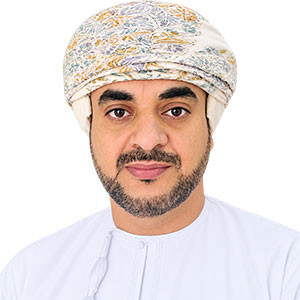
Ahmed Al KharusiOman
Ahmed Al Kharusi
CloseOman
Ahmed Ibrahim Ahmed Al Kharusi is an Omani physiotherapist, educator, academic leader, and president of the Oman Physical Therapy Association. He qualified as a physiotherapist from the Institute of Health Sciences in 1999 and began his career working in government hospitals across Oman.
In 2005, Ahmed returned to the Institute of Health Sciences as a clinical tutor. He completed a master’s degree in Musculoskeletal and Sports Physiotherapy at the University of South Australia in 2006 and, in 2010, took on leadership of the physiotherapy programme. In this role, he contributed to the development of the programme into a bachelor’s degree.
Ahmed completed his doctorate in physical therapy at Glasgow Caledonian University in 2016. In 2018, he was appointed associate dean of the Health Sciences programme at the College of Health Sciences.
In 2022, Ahmed joined the University of Nizwa in Oman as assistant professor and associate dean of the School of Rehabilitation and Medical Sciences. He has contributed to the development of a range of health professional education programmes at the university, including physiotherapy, occupational therapy, speech and language pathology, respiratory therapy, and central sterilisation technologies.
His work in postgraduate education has included the development of master’s programmes in health professions education, health leadership, and physical therapy.
Alongside his academic and leadership roles, Ahmed continues to work in clinical practice as a physiotherapy consultant. As president of the Oman Physical Therapy Association, he combines his experience in education, clinical practice, and professional leadership to support the continued development of physiotherapy in Oman.
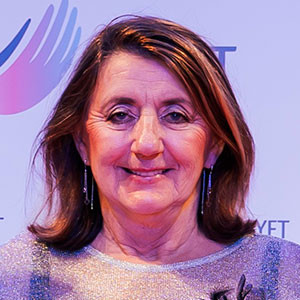
Ildikó BaloghHungary
Ildikó Balogh
CloseHungary
Ildikó Balogh is a Hungarian physiotherapist, educator, and professional leader whose career has made a significant contribution to physiotherapy education, professional development, and healthcare in Hungary.
Born in Tatabánya, Hungary, in 1954, Ildikó graduated as a physiotherapist in Budapest in 1975. She went on to gain qualifications in special education and psychopedagogy in 1983, healthcare management in Amsterdam in 1991, and human resources management in 2000.
Ildikó began her professional career in 1975 in a newly established developmental neurology and neurohabilitation department. From 1982, she introduced teaching in this field within physiotherapy education in Budapest, beginning a longstanding academic career.
Her international professional development included training in the Bobath concept/Neurodevelopmental Treatment (NDT) in the United States in 1993, and she became an international instructor in the Terrier technique of joint and soft-tissue mobilisation.
She later introduced the subject of Functional Analysis and Assessment of the Musculoskeletal System, playing a major role in reforming physiotherapy education at bachelor’s level in Hungary and establishing university-level master’s education in physiotherapy. Her academic career was further enriched by international study visits to institutions across Europe and the United States. She completed her university career as an associate professor.
Alongside the theoretical and practical education of physiotherapy students, Ildikó played a significant role in the training of other health professionals, including health visitors, dietitians, rehabilitation engineers, and medical device technicians. She also taught medical and dental students, and rehabilitation medicine specialists.
In addition to her teaching activities, her scientific work was also significant. Her professional achievements include contributions to 10 books and book chapters, 22 publications, as well as numerous regular scientific presentations.
Ildikó’s contribution to the profession also extended into leadership. The Association of Hungarian Physiotherapists was founded in 1989 under the leadership of Zsuzsa Gardi and became a World Physiotherapy member organisation in 1995. Ildikó became involved in the association’s leadership in 1999, working alongside its founding president, before becoming president in 2001 and serving until 2005. She served her second term as president from 2020 to 2026.
Through her university and association roles, Ildikó has helped strengthen international relationships and contributed to developments within the Hungarian healthcare system. During her first term as president, she helped reform the association’s professional activities and journal. She was also actively involved in the wider professional engagement that contributed to the establishment of the Chamber of Hungarian Health Care Professionals.
Under the transformation of Hungary’s healthcare system. new professional colleges were established. Ildikó served on national - colleges representing rheumatology and nursing before an independent professional college, Movement Therapy–Physiotherapy was formed, with Ildikó as its founding leader.
In this role, and as a founding member of the Hungarian Organisation for Quality Assurance in Healthcare, Ildikó helped strengthen physiotherapy’s representation within the national healthcare system and contributed to wider efforts to improve healthcare quality.
During her second term as president of the Association of Hungarian Physiotherapists, Ildikó initially focused on maintaining the organisation’s activities through and after the COVID-19 pandemic and revitalising its professional work. A later priority was renewing the association and encouraging greater involvement from a younger generation of physiotherapists.
Although retired from academia, Ildikó continues to work in temporomandibular joint physiotherapy at the Faculty of Dentistry of Semmelweis University.
Throughout her career, Ildikó has combined clinical practice, education, professional leadership, and healthcare development. Her contribution to reforming physiotherapy education, strengthening professional representation, and supporting the development of future generations has helped shape physiotherapy in Hungary over more than five decades.
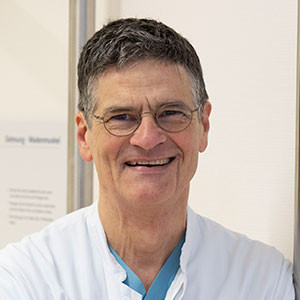
Ulrich BetzGermany
Ulrich Betz
CloseGermany
Ulrich Betz is a German physiotherapist who has spent his career working at university hospitals in Würzburg, Ulm and, since 1991, Mainz. His clinical focus is the treatment of pain and functional disorders of the musculoskeletal system, supported by extensive postgraduate training. Following his three-year vocational training, he studied physiotherapy when university-level education in the field became available in Germany. He subsequently completed a Doctor rerum Physiologicarum (Doctor of Physiological Sciences) at Mainz University Medical Centre.
Since 2009, Ulrich has been founding director of the Institute of Physical Therapy, Prevention and Rehabilitation at the University Medical Centre of Johannes Gutenberg University Mainz. The Institute supports the academic development of physiotherapy, occupational therapy, and speech and language therapy, combining patient care, research, and teaching, and treating approximately 650 patients each day.
His work as head of the institute inspired a major research interest in healthcare service analysis, particularly the interprofessional optimisation of care processes and increasing patient activity during illness. Through his work on process optimisation in hip and knee arthroplasty – the PROMISE project – Ulrich obtained his habilitation, a postdoctoral academic qualification enabling independent university teaching and research. This represented a pioneering development for physiotherapy in Germany.
The PROMISE project demonstrated the positive effects of process optimisation, including shorter hospital stays and lower costs alongside improvements in patients’ functional ability and independence. Ulrich subsequently applied this knowledge to other patient groups, developing the ‘medizin aktiv’ approach to promote physical activity during treatment and maximise the established benefits of exercise.
His second area of research focuses on the spine and evaluation of physical therapy models. His doctoral research included quantitative analysis of trunk geometry and electromyographic recording of back muscle activity in different sitting and standing positions. His investigations now include quantitative gait analysis using rasterstereography.
Ulrich has authored numerous articles in specialist books and scientific journals, and has presented his research internationally. He serves on the Scientific Advisory Board of Physio Deutschland and the PT, a specialist journal for physiotherapists, and regularly contributes to media discussions about health topics including back pain and foot health. His work has been recognised with the Science Award of the German Central Association of Physiotherapists (ZVK) and the ‘Stein der Weisen’ Award from Physio Deutschland.
Throughout his career, Ulrich has worked to develop academic structures for physiotherapy research and collaboration with other disciplines. Since 2020, the institute has operated the Interprofessional Study Centre for Movement Research in collaboration with the Department of Orthopaedics and Traumatology. From 2023-2026, four physiotherapists obtained doctoral degrees there. Ulrich aims to establish a clinically-oriented physiotherapy degree programme at Mainz University Medical Centre, providing clinically focused academic education in line with World Physiotherapy requirements and global best practice.
Kari BøNorway
Kari Bø
CloseNorway
Kari Bø is a Norwegian physiotherapist, sport/exercise scientist, researcher, and educator whose career has made a significant contribution to pelvic floor rehabilitation, women’s health, and exercise science internationally.
Kari trained as a physiotherapist at the College of Physiotherapy in Oslo, graduating in 1979, while also studying exercise and sport science at the Norwegian School of Sport Sciences. She went on to complete a master’s degree in sport science in 1984 and a PhD in 1990, before being appointed professor of exercise science in 1997.
Her academic leadership has included serving as pro-rector (vice head) of the Norwegian School of Sport Sciences from 1998 to 2001 and rector (head) from 2013 to 2017. She also held a long-term role as project leader at Akershus University Hospital’s Department of Obstetrics and Gynaecology and served on the board of its pelvic floor centre.
A major focus of Kari’s career has been research into pelvic floor dysfunction and women’s health. Her work has covered the treatment of incontinence, low back and pelvic girdle pain, exercise during pregnancy and after childbirth, diastasis recti abdominis, measurement methodology, fitness, and women’s health more broadly.
She has published more than 365 peer-reviewed scientific papers and delivered more than 390 invited international keynote presentations. She has supervised 26 completed PhD candidates, as well as numerous master’s students, and continues to supervise doctoral research.
Kari has also played an important role in translating research into physiotherapy education and practice. Since the early 1990s, she has developed and overseen postgraduate education in pelvic floor dysfunction on behalf of the Norwegian Physiotherapist Federation and has delivered postgraduate courses for physiotherapists internationally.
Her leadership has also extended across the profession. From 1999 to 2007, Kari served as the first vice president of World Physiotherapy’s specialty group, the International Organization of Physiotherapists in Pelvic and Women's Health (IOPPWH). She served for eight years as vice president of the Norwegian Council for Physical Activity, advising the Norwegian Minister of Health on physical activity, fitness, and health, and was vice president of the Norwegian Physiotherapy Association’s sports physiotherapy group from 2003 to 2007.
Kari has contributed to research and policy development through several national and international roles; she served on the Norwegian Research Council’s programme committee for clinical research and represented the council within Science Europe. From 2017 to 2020, Kari served on the board of the Swedish School of Sport and Health Sciences following an appointment by the Swedish government.
Her international academic work has included visiting fellow and visiting professor roles at institutions in the United States, New Zealand, Australia, Singapore, the UK, and Brazil. She has also maintained a long-term guest professorship at the University of São Paulo’s medical school in Ribeirão Preto, Brazil.
Alongside her academic work, Kari has been committed to making evidence-based information about exercise, pelvic floor health, pregnancy, and women’s health accessible to the wider public. She has contributed to books, articles, and exercise programmes, including resources distributed widely in Norway and internationally. Her Corewellness exercise programme was translated into 15 languages and distributed to more than 500,000 women.
Her research has also received significant international recognition. In 2014, one of her randomised controlled trials on pelvic floor muscle training was recognised as one of 15 top physiotherapy trials in the PEDro database, selected from more than 25,000 studies. In 2015, she received World Physiotherapy’s Mildred Elson Award for her contribution to research and education in pelvic floor function, dysfunction, and women’s health.
In 2016, Kari received the International Continence Society Lifetime Achievement Award for her research and education on pelvic floor health and incontinence. She was made an honorary member of the Norwegian Physiotherapy Association in 2019 and received the Norwegian Women’s Public Health Association Women’s Health Research Award in 2024. She is also an honorary member of physiotherapy organisations specialising in women’s health in Norway, Brazil, and Chile.
Kari’s interest in movement extends beyond her professional work, shaped by a lifelong background in dance, rhythmic gymnastics, coaching, and exercise instruction. In 1989, she developed the Norwegian Aerobic Fitness Model, combining aerobic exercise, flexibility, strength training, and relaxation, and has continued teaching exercise classes in her local community for more than three decades.
Throughout her career, Kari has combined research, education, professional leadership, and public engagement to advance understanding of pelvic floor rehabilitation, exercise, and women’s health. Her work has helped strengthen the evidence base for physiotherapy practice, develop generations of researchers and clinicians, and improve awareness of pelvic floor and women’s health internationally.
Georges BoueiriLebanon
Georges Boueiri
CloseLebanon
Georges Boueiri is a Lebanese physiotherapist, educator, and professional leader whose career has played an important role in the development of physiotherapy in Lebanon and internationally. He holds a Doctor of Physiotherapy (DPT) diploma from Saint Joseph University in Beirut and is fluent in Arabic, English, and French.
Georges began his career in private practice and went on to lead the physiotherapy department at Pasteur Hospital in Lebanon, where his work included treating patients and providing home-based physiotherapy.
Alongside his clinical work, he supervised physiotherapy students from several universities. In 1991, he also began teaching at universities in Lebanon, marking the start of a longstanding commitment to physiotherapy education that continues today.
In 1987, Georges founded the Physical Therapists Association of Lebanon (PTAL) and became its first president. Through his leadership and advocacy, he helped drive significant developments in physiotherapy education, regulation, and professional recognition in Lebanon.
His efforts contributed to the introduction of Law 96/99 in 1999, which established university-level education as the minimum standard for physiotherapy training in Lebanon, requiring a four-year bachelor’s degree. He also contributed to Law 305/2001, which established the Order of Physiotherapists and made membership compulsory for physiotherapists practicing in the country.
Following the establishment of the Order, PTAL became the Order of Physiotherapists in Lebanon (OPTL), later the Lebanese Order of Physiotherapists (LOPT), with Georges elected as its first president. His leadership of the profession continued for decades, including 20 years as president, 17 years as chief executive officer, and six years as president of the disciplinary council. He also spent more than 25 years supervising and editing the organisations’ journals, Physiomedia and Scientific Physiomedia.
Between 1990 and 2010, Georges served on several official committees within the Lebanese Ministry of Health, contributing to national standards and oversight in areas including orthotics and prosthetics and the evaluation and classification of physiotherapy centres.
Georges played an important role in connecting Lebanese physiotherapy with the international profession. In June 1991, he represented Lebanon at the World Physiotherapy general meeting in London, where PTAL was admitted as a member organisation, making Lebanon the first Arab country in the Middle East to become a World Physiotherapy member.
This began a longstanding relationship with World Physiotherapy. From 2000 to 2002, he served on the Professional Issues Working Group in the Europe region, contributing to the development of core professional standards for physiotherapy. He also regularly participated in World Physiotherapy and Europe region general meetings, congresses, and events organised by member organisations.
His international engagement was closely linked to his leadership across the Arab region. In 1996, he became a founding member of the Arab Confederation for Physical Therapy (ACPT), becoming its president in 2004. Following the introduction of a rotating presidency in 2007, he was elected secretary general and was re-elected to the role in 2025. Through the ACPT, Georges supported physiotherapy organisations in several Arab countries to become World Physiotherapy member organisations and translated several World Physiotherapy materials into Arabic.
In 2004, Georges collaborated with Sandra Moore, then president of World Physiotherapy, to inaugurate the National Institute of Physiotherapy, the continuing professional development centre of the Lebanese Order of Physiotherapists. Sandra delivered the Institute’s first continuing professional development activity, focused on marketing in physiotherapy.
His international contribution also extended to French-speaking physiotherapy organisations. In 2003, Georges was a founding member of the International Federation of French-Speaking Physiotherapy Organisations (FIOPF). He served as vice president and is now honorary vice president. He also organised the federation’s first general meeting in Beirut.
Between 1988 and 2025, Georges delivered lectures across Europe, the Middle East, Asia, Africa, and North America. He also organised and contributed to more than 67 congresses, seminars, and scientific and professional workshops, bringing together physiotherapists from Lebanon, the Arab region, French-speaking communities, and the wider international profession.
Georges continues to contribute as an adviser to the Lebanese Order of Physiotherapists, La Sagesse University in Beirut, and other local and regional organisations.
His career reflects a sustained commitment to strengthening the professional foundations of physiotherapy in Lebanon through education, regulation, continuing professional development, and international representation. Through his longstanding involvement with World Physiotherapy and leadership within Arab and French-speaking physiotherapy organisations, he has also helped build stronger connections between physiotherapists in Lebanon and the wider global profession.
Bernadette Bryan-FranksonJamaica
Bernadette Bryan-Frankson
CloseJamaica
Bernadette Bryan-Frankson is a Jamaican physiotherapist, educator, entrepreneur, and clinical leader whose career has has been defined by movement: restoring it in the people she serves, advancing it within her profession, and extending it into areas where rehabilitation gaps remain.
Her journey in physiotherapy began in 1978, when she entered the School of Physiotherapy in Kingston. Four years later, she was seconded to the school, beginning a longstanding contribution to physiotherapy education. She later taught management in physiotherapy practice on the master’s programme in physiotherapy at The University of the West Indies, working with students from across the Caribbean, including Guyana. Teaching and mentorship have remained constants throughout her career.
Her service to the Jamaica Physiotherapy Association began in 1981 through fundraising and education activities. She later served as vice-president from 2009 to 2010 and president from 2010 to 2011. Following Jamaica’s representation at the 2011 World Physiotherapy Congress in Amsterdam, and inspired by Marilyn Moffat, then president of World Physiotherapy, Bernadette worked with colleagues to develop early proposals aimed at advancing professional autonomy and direct access to physiotherapy in Jamaica.
Recognising that her clinical training alone had not prepared her to manage a healthcare business, Bernadette completed a Diploma in Health Management at The University of the West Indies in 1989, followed by an MBA from the University of New Orleans in 1998.
Choosing marketing as an elective at a time when Jamaican health professionals faced restrictions on advertising prompted her to consider how physiotherapists could ethically increase public understanding of the profession. This interest later shaped her work in public education, media engagement, and the promotion of lesser-known areas of physiotherapy practice.
In 2009 she earned a Doctor of Physical Therapy from Nova Southeastern University, reflecting a commitment to lifelong learning that she later embedded within her own organisation.
As founder, chief executive officer, and clinical director of Physical Therapy Solutions Ltd, Bernadette set out to demonstrate that a Jamaican-owned private practice could deliver individualised rehabilitation to international standards while also creating employment and developing healthcare professionals.
The practice grew into a comprehensive service encompassing orthopaedics, neurological rehabilitation, pelvic health, lymphoedema management, aquatic rehabilitation, and other specialist areas. Her entrepreneurial outlook was strongly influenced by her mother, whose resourcefulness and perseverance demonstrated what could be built from modest beginnings.
The onset of the COVID-19 pandemic in 2020 marked a significant period in Bernadette’s leadership. Rather than focusing solely on the survival of the business, she strengthened its systems, team capability, service diversification, and operational resilience while retaining employees. The experience reinforced her belief that even a small healthcare business can contribute to wider society by preserving livelihoods, sustaining essential services, and providing stability during periods of national vulnerability.
Throughout her career, Bernadette has sought to develop services in areas where specialist expertise was limited. She helped advance pelvic health physiotherapy in Jamaica and developed specialist expertise in lymphoedema rehabilitation, while mentoring physiotherapists, nurses, and rehabilitation assistants.
Public education has also been an important part of her work. Through contributions to Jamaican newspaper, The Gleaner, appearances on Kool FM radio, and presentations to medical organisations, she has helped bring physiotherapy into broader public and interdisciplinary conversations and increase awareness of the range of services physiotherapists can provide.
Her willingness to explore new areas of rehabilitation has continued throughout her career. In 2024, inspired by experiences with her own dogs and recognising a gap in rehabilitation services for companion animals, she completed certification through the Canine Rehabilitation Institute and established Paws for Physio, Jamaica’s first canine rehabilitation unit. As Jamaica’s only certified canine rehabilitation therapist, she has since extended this work through virtual canine and feline rehabilitation services across the Caribbean.
More than four decades after entering the profession, movement remains a defining theme of Bernadette’s career: restoring it for the people and animals she serves, helping move the profession forward, and developing services in response to unmet rehabilitation needs.
Her career reflects a sustained commitment to innovation, access, professional development, and expanding the possibilities of physiotherapy and rehabilitation. She continues to explore new models of care, including opportunities in the virtual space, while mentoring and supporting the development of others.
Dina BrooksCanada
Dina Brooks
CloseCanada
Dina Brooks is an internationally recognised rehabilitation scientist, physiotherapist, educator, and academic leader whose work has transformed the fields of pulmonary rehabilitation, chronic disease management, and rehabilitation science. She currently serves as Executive Vice-Dean and Associate Vice President (Academic) at McMaster University, where she is also Professor at the School of Rehabilitation Sciences.
Over a career spanning more than three decades, Dina has established herself as one of Canada's leading rehabilitation researchers. Her research has advanced the understanding and treatment of chronic obstructive pulmonary disease (COPD), pulmonary rehabilitation, physical activity, balance and falls prevention, stroke rehabilitation, and chronic disease management. Her scholarship has influenced clinical practice, rehabilitation policy, and patient care nationally and internationally. She has authored over 400 peer-reviewed publications, secured more than 150 research grants, and supervised and mentored dozens of doctoral, master's, and postdoctoral trainees who now hold leadership positions around the world.
Prior to joining McMaster University, Dina spent nearly three decades at the University of Toronto, where she served as Professor, Graduate Coordinator of the Rehabilitation Sciences Institute, and Acting Chair of the Department of Physical Therapy. Her academic leadership has been characterised by a commitment to innovation, collaboration, and excellence in education and research.
As an academic administrator, she has championed strategic growth, interdisciplinary collaboration, equity, diversity, inclusion, indigenous engagement, and reconciliation. She played a key role in creating McMaster University's integrated Bachelor of Health Sciences programme in Humanities and Rehabilitation Sciences, demonstrating her commitment to cross-disciplinary education and student success.
Dina Brooks is equally recognised for her leadership within the health professions community. She has served as President of the Canadian Thoracic Society, Chair of Canadian Respiratory Health Professionals, Co-Chair of the Canadian Respiratory Conference, Chair of the International Scientific Committee for the World Physiotherapy congress in 2017, and Treasurer of the Canadian Academy of Health Sciences. As Scientific Editor of Physiotherapy Canada, she helped elevate the profile and impact of Canada's flagship physiotherapy journal, including achieving indexing in PubMed Central and expanding the journal's international reach.
Her contributions have been recognised through numerous honours, including the European Respiratory Society Lifetime Achievement Award, the Thomas L. Petty Distinguished Pulmonary Scholar Award, the Canadian Thoracic Society Honorary Lecture Award, Fellowship in the Canadian Academy of Health Sciences, the Queen Elizabeth II Diamond Jubilee Medal, a World Physiotherapy International Service Award in research, and an Honorary Doctorate from the University of Ottawa. She has also received multiple awards for excellence in teaching, mentorship, research, and professional service.
A passionate mentor, Dina Brooks has dedicated her career to supporting students, trainees, and junior faculty, particularly women and members of under-represented groups. Her mentorship has shaped the careers of future clinicians, researchers, educators, and leaders across Canada and internationally, and she is known for fostering inclusive environments where individuals can thrive and reach their full potential.
Beyond academia, she is deeply engaged in community service. She has volunteered with newcomer and refugee mentorship programmes, drawing on her own lived experience as a refugee to support others navigating new beginnings. She has also served on community and health-related boards, promoted healthy living through community initiatives, and advocated for equitable access to education, healthcare, and opportunity.
Throughout her career, Dina Brooks has exemplified excellence, compassion, and service. Her enduring impact on physiotherapy, health professions education, and the lives of patients and learners continues to shape the future of healthcare in Canada and around the world.
Alberto CairoItaly
Alberto Cairo
CloseItaly
Alberto Cairo is an Italian physiotherapist whose career has focused on rehabilitation, disability inclusion, and humanitarian work.
After obtaining a degree in law from the University of Turin, Alberto trained as a physiotherapist. From 1988 to 1990, he worked in Juba, now in South Sudan, at a centre for children with disabilities.
In 1990, he joined the International Committee of the Red Cross (ICRC) in Afghanistan, initially working as a physiotherapist at the ICRC hospital for war-wounded patients. He became head of the physical rehabilitation programme in 1992.
Over the following 30 years, Alberto contributed to the establishment of seven rehabilitation centres across Afghanistan and the development of a programme combining physical rehabilitation with social inclusion through education, vocational training, microfinance, and employment.
Central to the programme is its policy of ‘positive discrimination’, through which people with disabilities are employed and trained to deliver services for others with disabilities. More than 800 men and women with disabilities have been employed through the programme to date, creating what Alberto describes as ‘a programme of people with disabilities, for people with disabilities.’
Sport later became another part of the programme, notably wheelchair basketball, with both men’s and women’s teams, as well as football and volleyball.
Overall, the rehabilitation programme has supported more than 250,000 people.
Since 2022, Alberto has worked with NOVE Caring Humans, an Italian non-governmental organisation, supporting women, children, and people with disabilities, and is now its president. He continues to collaborate with the ICRC in Kabul.
His humanitarian work has received international recognition. Alberto was nominated for the Nobel Peace Prize in 2010, received the Henry Dunant Medal in 2013 and the Nansen Refugee Award – Asia in 2019, and was awarded honorary Afghan citizenship in 2019. He was also awarded the World Physiotherapy Humanitarian Award in 2007.
Alberto has dedicated his life to humanitarian work, restoring mobility and dignity to thousands with an approach to rehabilitation that combines clinical care with social inclusion, employment, education, and participation.
Tony ChangSuriname
Tony Chang
CloseSuriname
Tony Chang is a Surinamese physiotherapist, educator, professional leader, and advocate for healthy ageing whose career has spanned clinical practice, physiotherapy education, professional development, and international collaboration.
Born in Paramaribo, Suriname, in 1947, Tony moved to the Netherlands in 1968. After initially working at an accounting firm, he changed direction and enrolled in physiotherapy training at the St. Maartenskliniek in Nijmegen in 1969. He graduated in Delft in 1973.
Later that year, Tony returned to Suriname with his family and joined the Ministry of Public Health, working at the Academic Hospital Paramaribo until 1995. His clinical work covered a broad range of areas, including neurological, musculoskeletal, cardiac, and pulmonary rehabilitation, sports physiotherapy, occupational health and ergonomics, pre- and postnatal care, care for older people, and pain management using acupuncture.
He also contributed to the education of other healthcare professionals by teaching nursing students practical skills including patient transfer techniques and gait assistance, and actively supporting the training of health educators.
Tony has been an active member of the Surinamese Association for Physiotherapy (SVF) since 1974. Between 1974 and 2004, he served as president for a total of 23 years across non-consecutive terms. In this role, he acted as spokesperson for the profession in discussions with the Ministry of Public Health and other medical professional associations and contributed to the drafting of the Medical Professions Act.
Tony’s involvement with World Physiotherapy began in 1982, when he started representing SVF at its general meetings, and continued for decades through regular participation in general meetings and world congresses.
In 1991, he became one of seven co-founders of the World Physiotherapy North America Caribbean (NAC) region. He later served as chair of the region from 2004 to 2007, contributing to stronger collaboration and professional development across member organisations in the region.
From 1980 to 1999 Suriname experienced severe economic hardship and significant loss of skilled professionals, including physiotherapists. In 1996 Tony established a physiotherapy education programme at the Faculty of Medical Sciences of Anton de Kom University of Suriname (AdeKUS) and served as its director. The programme responded to an urgent need to strengthen the profession and develop a sustainable local physiotherapy workforce.
Developing the programme required building local teaching capacity and establishing a new model of physiotherapy education. Support came from regional and international partners, including the World Physiotherapy NAC region, the University of Saskatchewan, Health Volunteers Overseas, and the American Physical Therapy Association (APTA).
In 2007, AdeKUS began a 10-year collaboration with Flemish universities in Belgium, with Tony serving as project leader. A key aim of the programme was to further develop the four-year BSc physiotherapy programme into a five-year BSc-MSc pathway, strengthening physiotherapy education and academic development in Suriname.
Tony later served as secretary of the Faculty of Medical Sciences and continued to support the development of physiotherapy education and research. He obtained a PhD in Medical Sciences, specialising in gerontology, from the University of Groningen in the Netherlands in 2009. His dissertation, ‘Ageing with joy!’, reflected a longstanding interest in ageing and health.
Although he retired from AdeKUS in 2016, Tony has continued to support students completing their theses and encourage the development of physiotherapy research.
The COVID-19 pandemic in 2020 led him to stop working in private clinical practice, but he has remained professionally active. His current work includes promoting healthy and active ageing, delivering lectures, providing advice, and contributing to the development of government policy for older people in Suriname.
Throughout his career, Tony has helped strengthen physiotherapy in Suriname through clinical practice, professional leadership, education, and international collaboration. His contribution to establishing physiotherapy education in the country and to the development of the World Physiotherapy NAC region has helped create opportunities for future generations of physiotherapists and strengthen the profession both nationally and regionally.
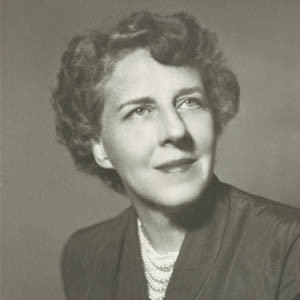
Mildred ElsonUnited States
Mildred Elson
CloseUnited States
Mildred O. Elson (1900–1987) was an American physiotherapist and a pioneering leader in the development of the profession nationally and internationally. She was the first executive director of the organisation now known as the American Physical Therapy Association (APTA) and played a central role in establishing World Physiotherapy. She was elected its first president in 1951 and served as founding president from 1953 to 1956.
Mildred was a charter member of the association that became APTA in the early 1920s. She began her physiotherapy career at the Mayo Clinic in 1922 before moving to Wisconsin General Hospital in 1926 and later the Curative Workshop in Milwaukee. She became the first president of the association’s Wisconsin Chapter, serving from 1932 to 1936.
She later joined Northwestern University Medical School as an instructor in its physiotherapy programme, where she remained until 1944. Alongside this role, she served as editor-in-chief of Physical Therapy Review, now PTJ: Physical Therapy & Rehabilitation Journal, from 1936 to 1944.
In 1944, Mildred became the first executive director of the national association, a role she held until 1956. During this period, she helped strengthen the organisation and expand its international engagement. She was instrumental in organising advisory services for physiotherapists travelling to the United States for postgraduate training and for American physiotherapists visiting other parts of the world.
Her commitment to international collaboration was particularly significant. In the late 1940s, Mildred chaired the International Committee to Form a Federation of Physical Therapy Societies, contributing to the creation of World Physiotherapy. She also helped organise international conferences, including the third Inter-American Congress on Rehabilitation in Guatemala and the First and Second Institutes of Rehabilitation Problems in Puerto Rico. She played a major role in establishing the Puerto Rico School of Physical Therapy and Occupational Therapy, which became an important training centre for professionals from across Latin America.
Mildred also served as a national consultant in physiotherapy to the US Veterans Administration and the US Army’s Women’s Medical Specialist Corps, and as a member of the Board of Directors of the National Health Council.
Her contribution to the profession was recognised with numerous honours. She became an honorary member of APTA in 1956 and, in 1964, delivered the inaugural Mary McMillan Lecture. She also received honorary doctorates from Boston University and Sargent College, her alma mater.
Mildred’s legacy continues through World Physiotherapy’s highest honour, the Mildred Elson Award. Established in 1987 to recognise outstanding leadership and significant contributions to the development of physiotherapy internationally, the award was named in her honour, and Mildred was its first recipient. The award reflects her profound influence on the profession and the central role she played in establishing international collaboration as a cornerstone of World Physiotherapy.
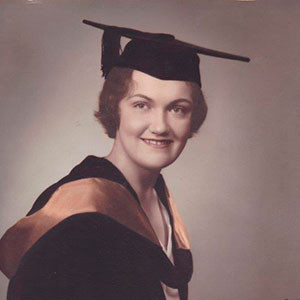
Prue GalleyAustralia
Prue Galley
CloseAustralia
Prue Galley was born on 9 September 1944 in Brisbane, Australia, and attended St Margaret’s Anglican Girls School in Brisbane from 1949 to 1961.
She graduated with an honours degree in physiotherapy from the University of Queensland in 1965. She later completed a bachelor’s degree in education in 1972 and a Master of Educational Studies degree in 1978.
After graduating, Prue worked as a clinician in Brisbane before moving to London in 1968 to work at Westminster Hospital. While there, she studied at the Western Cerebral Palsy Centre with Berta Bobath.
Prue returned to the University of Queensland in 1970, taking up a lecturing position and working as a clinical teacher for many years.
In August 1975, she presented the paper Ethical principles and patient referral at the 14th Biennial Congress of the Australian Physiotherapy Association (APA), setting out the case for responsible first contact practice. At the time, physiotherapists in Australia could not work with patients in a professional capacity except on referral by a registered medical or dental practitioner.
The profession had followed this referral ethic since 1906, but Prue argued that advances in physiotherapy education and professional practice meant physiotherapists had much more to offer the community and that the time had come for change.
Her paper was published in the September 1975 issue of The Australian Journal of Physiotherapy. Although controversial, it stimulated considerable discussion and debate across the profession. On 14 August 1976, the longstanding referral ethic was rescinded, enabling physiotherapists in Australia to practice as first contact practitioners.
Prue continued to contribute to the debate, writing Patient referral and the physiotherapist, which was published in The Australian Journal of Physiotherapy in 1976. She was later invited by the Chartered Society of Physiotherapy (CSP) to write Physiotherapists as First-contact Practitioners – New Challenges and Responsibilities in Australia for its journal, Physiotherapy, published in August 1977.
In 1977, Prue returned to London on study leave, where she studied choreology at the Benesh Institute and gained an Advanced Diploma in Choreology (Clinical).
In 1982, Churchill Livingstone published Human Movement: An Introductory Text for Physiotherapy Students, which Prue co-authored with Aura Forster. A second edition followed in 1987.
Following surgery to remove an acoustic neuroma in 1991, Prue returned to the University of Queensland, where she continued teaching and conducting research until her retirement in 2005.
Throughout her career, Prue served on several APA state and federal committees. She received the APA Queensland Branch President’s Award in 2005, and, in 2009, the Australian Physiotherapy Association conferred Honoured Membership on her.
World Physiotherapy, then the World Confederation for Physical Therapy, presented Prue with its International Service Award for Practice in 2011 and in 2012, she was made an Honorary Fellow of the Chartered Society of Physiotherapy.
In 2014, Prue was invested as a Dame in the Order of St John of Jerusalem Knights Hospitaller.
Barbara Gödl-PurrerAustria
Barbara Gödl-Purrer
CloseAustria
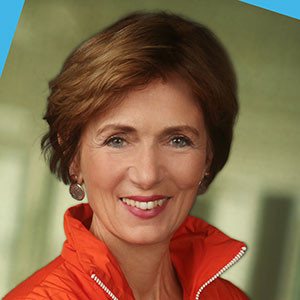
Barbara Gödl-Purrer is an Austrian physiotherapist, educator, and professional leader whose career has focused on advancing physiotherapy practice, education, and professional development, as well as a passionate advocate for the profession in Austria. She has made notable contributions to pelvic health physiotherapy, postgraduate education, and the development of professional competencies and career pathways for physiotherapists in Austria.
Barbara’s interest in physiotherapy began during an au pair stay in France, where she cared for a disabled child and accompanied them to physiotherapy sessions. She went on to train at the School of Physiotherapy in Salzburg, qualifying as a physical therapy assistant in 1979.
From 1979 to 1982, Barbara worked in thoracic physiotherapy at the University Children’s Hospital in Graz, gaining experience in interdisciplinary care and contributing to internationally recognised research. She subsequently studied sports sciences at Karl Franzens University Graz from 1982 to 1984.
Barbara developed her specialisation in functional kinetics at the Rehabilitation Center Bad Ragaz in Switzerland in 1984–85, later qualifying as an international instructor. After returning to Austria, she became the leading physiotherapist at the State Hospital Deutschlandsberg and lectured at the Academy of Physiotherapy Graz.
In 1990, Barbara established a private physiotherapy practice specialising in gynaecology, obstetrics, urology, and proctology, at a time when specialised physiotherapy in these areas was still developing. She continues to operate the practice today.
She also established a postgraduate education institute in Graz, organising courses with international experts and helping strengthen links between physiotherapists in Austria and the wider international professional community.
From 2006 to 2018, Barbara was a full-time lecturer at FH Joanneum University of Applied Sciences in Graz. She completed a Master of Science in Physiotherapy at Queen Margaret University Edinburgh in 2014 and played a key role in developing Austria’s first national profiles of competencies for physiotherapy. This included specialised competency profiles for gynaecology, urology, and proctology, published in 2016 and 2017 - milestones that significantly shaped the profession’s future in Austria.
Barbara has also served on the presidium of Physio Austria, leading initiatives to professional development and education. She has been instrumental in creating career pathways and curricula for physiotherapists specialising in pelvic health, including the Certificate of Advanced Studies in Pelvic Health at FH Joanneum University of Applied Sciences.
Continuing her own professional development, Barbara completed certification as a Fascial Manipulation Specialist at the School of Fascial Manipulation Stecco in Padua, Italy, in 2025.
After more than four decades in physiotherapy, Barbara remains active in clinical practice and is dedicated to fostering the development and recognition of the profession in Austria. Her work has been driven by a commitment to elevate physiotherapy as an essential, respected part of healthcare teams and to ensure future generations receive the education and career opportunities needed to thrive internationally.
This lifelong journey reflects Barbara‘s passion for personal growth, professional excellence, and advancing physiotherapy for the benefit of individuals and healthcare systems alike.
Urvashy GopaulMauritius
Urvashy Gopaul
CloseMauritius
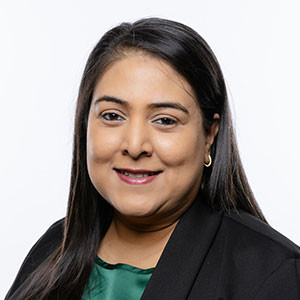
Urvashy Gopaul is a physiotherapist, researcher, and assistant professor at the University of Montréal, Canada. She is also a researcher at the Technopole in Pediatric Rehabilitation at the Marie Enfant Rehabilitation Centre (CRME), part of the Azrieli Research Centre at CHU Sainte-Justine.
She completed her physiotherapy education at the University of Mauritius and holds an MSc in Physiotherapy–Neurorehabilitation from the University of Nottingham, UK, and a PhD in Physiotherapy from the University of Newcastle, Australia. She spent seven years as a lecturer and senior lecturer at the University of Mauritius, where she led the physiotherapy education programme, before completing postdoctoral research at the KITE Research Institute, Toronto Rehabilitation Institute–University Health Network.
Her professional journey has been shaped by a fascination with the complexity of the brain and the many ways neurological conditions can affect human function. Her early experience as a neurological physiotherapist gave her first-hand insight into the challenges of recovery after stroke and the limitations of conventional approaches in addressing the complexity of neurological rehabilitation. These experiences shaped a career spanning research, education, and professional leadership, with a focus on improving rehabilitation and recovery for people living with neurological conditions.
Her research explores the interaction between somatosensory, motor, and cognitive processes involved in upper-limb function. Working with both paediatric and adult neurological populations, she combines restorative rehabilitation approaches with advanced technologies, including robotic training, haptic and pressure-sensing technologies, and neuromodulation techniques such as spinal cord stimulation, to develop more comprehensive and personalised approaches to recovery.
Urvashy pioneered a complex upper-limb intervention combining robotic gaming, sensor-based grasp retraining, and functional task practice to target somatosensory and motor recovery after stroke. She has also developed haptic sensor-based measurement protocols to characterise somatosensory-motor function and grasp deficits.
Her research also includes activity-based therapy combined with spinal cord stimulation following spinal cord injury. This work received the award for most outstanding platform presentation from the North America Caribbean region at the World Physiotherapy Congress 2023.
Alongside her research, she has contributed to strengthening the physiotherapy profession and promoting evidence-informed rehabilitation. She co-founded the Physiotherapy Association of Mauritius and served as its vice chair. Her community engagement and professional education work has included national stroke awareness campaigns in Mauritius and initiatives supporting rehabilitation professionals, people living with stroke, and their families in Canada.
She has contributed to the Canadian Stroke Best Practice Recommendations and international consensus recommendations on somatosensory assessment and rehabilitation, helping to bring greater attention to an area that remains underrepresented in stroke care.
Internationally, Urvashy has worked to strengthen rehabilitation capacity and expand access to rehabilitation knowledge and expertise. Through the World Stroke Organization, she has supported the development and dissemination of post-stroke rehabilitation knowledge across a range of healthcare contexts, including India, Malaysia, Armenia, and Egypt. She has also contributed to professional education through the World Stroke Organization Academy, promoting standardised assessment and evidence-informed approaches to stroke rehabilitation.
Her international leadership has been recognised through the World Stroke Organization Future Leaders Programme and the International Stroke Recovery and Rehabilitation Alliance Emerging Leaders Programme.
Looking ahead, Urvashy aims to continue exploring how rehabilitation technologies can be meaningfully integrated with restorative approaches to optimise recovery and expand what is possible in neurorehabilitation. She believes rehabilitation should continue to push the boundaries of recovery, enabling people to regain function and independence and participate more fully in everyday life.
Rik GosselinkNetherlands
Rik Gosselink
CloseNetherlands
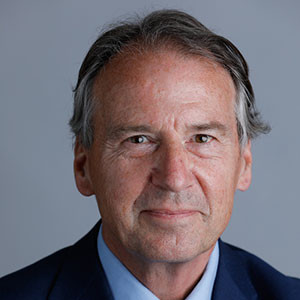
Rik Gosselink is a Dutch physiotherapist who obtained his bachelor's degree in physiotherapy in 1979 and his PhD degree in 1993 in Human Movement Sciences at the Vrije Universiteit Amsterdam with a dissertation titled ‘Breathing exercise in patients with chronic obstructive disease – an experimental study on the efficiency of breathing.’
From 1979 to 1992, he was working as a physiotherapist and researcher at the Vrije Universiteit Hospital in Amsterdam. In 1992 he moved with his young family to Leuven in Belgium and in 2001 was appointed as full professor in Rehabilitation Sciences and Physiotherapy at the University of Leuven. From 1994 to 2004, he was head of the Department of Physiotherapy at the university hospital Leuven. He also served as dean of the Faculty of Movement and Rehabilitation Sciences of the university from 2005 to 2013 and as vice-rector for Student affairs and Sports from 2013 until 2017. Since 2021, he is an emeritus professor at the Department of Rehabilitation Sciences and Physiotherapy. He is currently a member of the ethical committee of the university and the university hospitals, and a member of the committee for scientific integrity of the university.
In 2021, he was appointed as affiliated professor of the Division of Physiotherapy, Department of Health and Rehabilitation Sciences at Stellenbosch University in South Africa.
His area of research, clinical practice, and academic education is exercise physiology, physiotherapy, and rehabilitation in patients with acute critical illness, as well as in patients with chronic pulmonary disease. The focus of his clinical research was on the important role of limb and respiratory muscle weakness in the symptoms of dyspnea, fatigue, and exercise limitation in these patient populations. Specifically, his contribution was in the evaluation of clinical tools for the assessment of muscle strength and of the effectiveness of various (muscle) training methods. Throughout his career as a physiotherapist, he remained actively involved in the clinical practice of patients with acute and chronic respiratory conditions. This allowed him to keep in contact with patients, his profession, and the exchange between research and clinical practice.
Within his academic career, Rik has supervised 20 PhD students and welcomed many research fellows from outside of Belgium, including from the Netherlands, Greece, South Africa, Congo, Germany, Brazil, Thailand, China, and Poland.
Since 1990, he has participated in many international conferences around the world as an invited speaker and organised postgraduate courses for the Dutch Paramedical-Postgraduate Institute, the European Respiratory Society, and the Belgian Respiratory Society. In 2018, he organised the 5th European conference in Leuven on weaning and rehabilitation in critically ill patients.
Anita GrossCanada
Anita Gross
CloseCanada
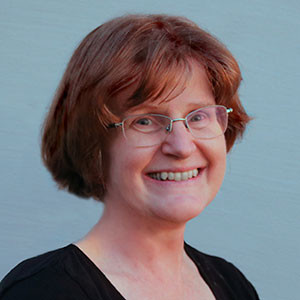
Anita Gross is a Canadian advanced practice physiotherapist, associate clinical professor in the School of Rehabilitation Science at McMaster University, and clinician-scientist specialising in musculoskeletal and manual physiotherapy. Her career has combined clinical practice, research, education, mentorship, and professional leadership.
Anita graduated from the University of Toronto in 1982 and completed postgraduate advanced practice training at Curtin University, Western Australia, in 1988. She joined McMaster University in 1989, where she has contributed to teaching, research, and programme leadership. Her roles have included clinical skills instructor and tutor, research supervisor, and membership of MSc and PhD thesis committees at McMaster and Western University. She led McMaster University’s Advanced Orthopaedic Manual and Manipulative Physical Therapy (OMPT) Program for a decade and served as programme director until 2025.
Anita has contributed to the international physiotherapy profession through more than 15 years of service with World Physiotherapy and the International Federation of Manual and Musculoskeletal Physical Therapists (IFOMPT), representing the Canadian Academy of Musculoskeletal and Manual Physical Therapy (CAMPT). As chair of the IFOMPT/IOPTP Task Force on Paediatric Manipulation, she contributed to international discussion and guidance in this area of practice.
Her international research collaborations include the Cervical Overview Group, the Head and Neck, Shoulder, Arm (HaNSA) Research Initiative, the Which Exercise for Low Back Pain? (WELBack) randomised controlled trial, and the Spinal Paediatric Alliance on Research and Knowledge in Manual Therapy (SPARK-MT).
A consistent focus of Anita’s research has been translating evidence into clinical practice. She founded and continues to coordinate the Cervical Overview Group; an international research network focused on synthesising and translating evidence relating to cervical spine disorders. She has contributed to the development of assessment and treatment approaches including the HaNSA Research Initiative and Augmented Reality Integrated Sensorimotor Exercise (ARISE) software.
Her research spans paediatric to older adult populations and includes clinical trials, systematic reviews, meta-analyses, epidemiological studies, and qualitative and quantitative research. She has an h-index of 53 and has supported the development of clinicians and researchers through supervision, teaching, and mentorship.
Alongside her academic and research roles, Anita continues to practice as an orthopaedic manipulative physiotherapist with ProActive Health Physiotherapy. This ongoing clinical work helps keep her research and teaching closely connected to contemporary patient care.
Throughout her career, Anita has combined clinical practice with research, education, and mentorship, helping to strengthen evidence-informed musculoskeletal physiotherapy and support the development of future clinicians and researchers.
Mirjana Grubišić Croatia
Mirjana Grubišić
CloseCroatia
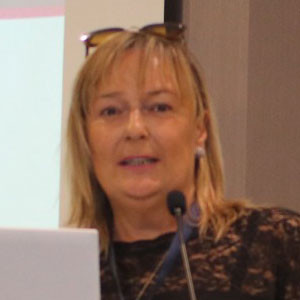
Mirjana Grubišić is a Croatian physiotherapist and professional leader whose career has focused on professional autonomy, regulation, education, research, and the recognition of physiotherapy within Croatia’s healthcare system.
After completing her physiotherapy education, Mirjana began her clinical career at the Šalata Department of Orthopaedics, University Hospital Centre Zagreb.
In 1990, she established Privatna praksa fizikalne terapije Mirjana Grubišić, the first private physiotherapy practice in Croatia. At a time when autonomous private physiotherapy practice was not clearly established, this required discussions with the Ministry of Health to secure recognition of a physiotherapist’s ability to practise independently. The experience shaped Mirjana’s subsequent work on professional autonomy and the rights of physiotherapists to develop their own practices.
As president of the Croatian Physiotherapy Association from 2002 to 2009, Mirjana played a leading role in advocating for dedicated legislation governing physiotherapy practice. This included sustained engagement with the Ministry of Health, the Croatian Parliament, and other government institutions on the professional status and regulation of physiotherapists.
These efforts contributed to the adoption of the Act on Physiotherapy Practice in 2008. The Act established a regulatory framework covering physiotherapy education, professional practice, rights and responsibilities, autonomous practice, and continuing professional development. It also provided the legal basis for the establishment of the Croatian Council of Physiotherapists.
The Croatian Council of Physiotherapists was established in January 2009, and Mirjana has served as its president since its creation. The Council introduced licences for autonomous practice, renewed every six years and linked to continuing professional development requirements, connecting professional autonomy with accountability and the maintenance of professional competence.
At her initiative, Standards for Physiotherapy Practice were developed and approved by the minister responsible for health in 2009. She later coordinated the development of Croatia’s first clinical guidelines in physiotherapy in 2010–2011 and served as editor of Kliničke smjernice u fizikalnoj terapiji (Clinical Guidelines in Physiotherapy) in 2011.
Education has been another important focus of her work. Mirjana proposed the development of further university education for physiotherapists at the Faculty of Medicine, University of Rijeka. Following continued advocacy for academic progression in physiotherapy, a graduate university programme was launched in 2012, enabling physiotherapists to obtain a master’s degree and creating pathways into doctoral study, research, and academic careers.
From 2017 to 2020, Mirjana chaired the committee responsible for developing Croatia’s Occupational Standard for Physiotherapists. The standard defined key competencies, professional activities, and requirements for the profession, and was subsequently entered into the Croatian Qualifications Framework Register.
Mirjana has also contributed to national healthcare legislation. Since 2009, she has participated in working groups responsible for drafting and amending Croatia’s Health Care Act. During development of the revised Act adopted in 2018, she advocated for clearer recognition of physiotherapy at different levels of healthcare. The final legislation explicitly included physiotherapy within primary healthcare and enabled its provision at secondary healthcare level.
The 2018 Act also removed a restriction that had allowed a physiotherapist in private practice to employ only one healthcare professional from the same profession. This enabled private physiotherapy practices to employ multiple physiotherapists and develop further. Almost three decades after establishing Croatia’s first private physiotherapy practice, Mirjana had contributed to legislation expanding similar opportunities for other physiotherapists.
Her work has also addressed access to physiotherapy within the public healthcare system. She initiated efforts to establish a Network for Physiotherapy Services within primary healthcare as part of Croatia’s Public Health Service Network, with the aim of creating opportunities for physiotherapists to contract services more independently within the national health insurance system.
Another major area of Mirjana’s work has been the academic and scientific recognition of physiotherapy. In 2021, as president of the Croatian Council of Physiotherapists, she initiated and co-led the formal process for physiotherapy to be recognised as a distinct scientific branch within Croatia’s national classification system.
Following a multi-year process, physiotherapy was formally recognised in 2024 as a distinct scientific branch within clinical medical sciences in biomedicine and health. This built on earlier developments in graduate education and access to doctoral study, establishing a clearer academic and research pathway for the profession.
In 2023, Mirjana also initiated work to enable physiotherapists to become authorised court-appointed expert witnesses in physiotherapy and rehabilitation. Croatia now has its first authorised physiotherapist court experts, including Mirjana herself.
International engagement has been a continuous part of her career. Since 2003, Mirjana has represented Croatia at World Physiotherapy general meetings and has regularly participated in World Physiotherapy congresses. She has also worked to connect physiotherapists in Croatia with international professional, educational, and scientific developments.
Alongside her regulatory and policy work, Mirjana served as editor of the journal Fizioterapija from 2002 to 2015 and has contributed to numerous national and international professional meetings and congresses. Since 2009, she has also served as a member of the City of Zagreb Health Council, advocating for the development and accessibility of physiotherapy.
Mirjana’s career connects clinical practice, professional autonomy, legislation, regulation, education, research, and international engagement. From establishing Croatia’s first private physiotherapy practice in 1990 to contributing to the formal recognition of physiotherapy as a scientific branch in 2024, her work has helped create structures and opportunities that continue to shape the profession in Croatia.
Rinaldo GuirroBrazil
Rinaldo Guirro
CloseBrazil
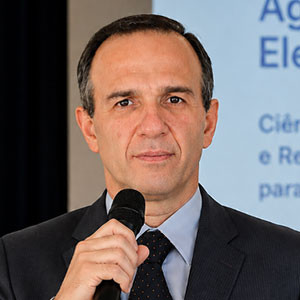
Rinaldo Roberto de Jesus Guirro is a Brazilian physiotherapist, professor, and researcher whose career has been dedicated to advancing physiotherapy through excellence in education, scientific research, professional leadership, and academic development.
After graduating in physiotherapy from the Federal University of São Carlos in 1990, he completed a specialisation in Orthopaedic and Traumatological Physiotherapy in 1993, earned an MSc in Bioengineering from the University of São Paulo in 1995, and completed a PhD in Oral Biology and Pathology at the University of Campinas in 2000.
Rinaldo began his academic career in 1992 at the Methodist University of Piracicaba, where he taught at undergraduate and postgraduate levels and coordinated the Graduate Programme in Physiotherapy. Since 2008, he has been a faculty member at the Ribeirão Preto Medical School (FMRP-USP), teaching undergraduate and postgraduate students.
Throughout his academic career, he has supervised undergraduate research, master’s dissertations, doctoral theses, postdoctoral fellows, and university extension projects, supporting the development of researchers, academics, and future leaders in physiotherapy.
His research focuses on electrophysical agents used in rehabilitation, including photobiomodulation, therapeutic ultrasound, neuromuscular electrical stimulation, and shortwave diathermy. He has also carried out research on the development and validation of assessment methods, dosimetry protocols, and instrumentation for physiotherapy, helping strengthen the evidence base for clinical practice.
Rinaldo has published widely in national and international peer-reviewed journals and has contributed to books, book chapters, and scientific conferences internationally. He is co-author of the textbook Dermatofunctional Physiotherapy, which contributed to the development of this specialty in Brazil.
Community engagement has been an important part of his academic work. Through the organisation of scientific meetings, continuing professional development courses, professional training programmes, and collaboration with healthcare institutions and scientific societies, Rinaldo has supported the dissemination of research and its translation into clinical practice.
He has held a range of leadership roles within the Brazilian physiotherapy community. These have included president of the Brazilian Association for Research and Graduate Education in Physiotherapy (ABRAPG-FT), co-editor of the journal Fisioterapia e Pesquisa, vice president of ABRAFITO São Paulo, and roles with regional and federal physiotherapy and occupational therapy councils.
Rinaldo has also contributed to national postgraduate education policy and evaluation. He served as associate coordinator and coordinator of Area 21 of Brazil’s Coordination for the Improvement of Higher Education Personnel (CAPES), covering physical education, physiotherapy, speech-language pathology, and occupational therapy, and was a member of the CAPES Scientific and Technical Council for Higher Education.
At the University of São Paulo, Rinaldo has held leadership positions in both postgraduate and undergraduate physiotherapy education, including vice coordinator and coordinator of the Graduate Programme in Rehabilitation and Functional Performance and of the Undergraduate Physiotherapy Programme at FMRP-USP. He currently serves as academic coordinator of the Physiotherapy Service at the Teaching Health Centre of FMRP-USP, leading work in curriculum development, professional education, clinical care, and research.
Across more than three decades, Rinaldo has combined research, education, professional leadership, and clinical development to strengthen physiotherapy in Brazil. His work has supported scientific innovation, the education and mentorship of physiotherapists and researchers, and the development of technologies and therapeutic approaches that inform contemporary clinical practice.
Rajib HasanBangladesh
Rajib Hasan
CloseBangladesh
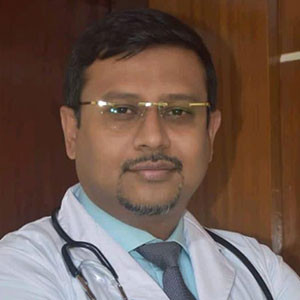
Rajib Hasan is a physiotherapist, administrator, policymaker, and academic from Bangladesh whose work has focused on the development of physiotherapy and rehabilitation services, professional regulation, and disability services.
From January 2008 to December 2012, Rajib served as president of the Bangladesh Physiotherapy Association (BPA), becoming the organisation’s youngest president. During his tenure, he was involved in efforts to protect the rights of physiotherapists to independent practice in Bangladesh.
Rajib later became the first disability adviser and specialist to the Government of the People’s Republic of Bangladesh. In this role, he initiated the Integrated Disability Service Centre programme through the National Disability Development Foundation under the Ministry of Social Welfare.
His work contributed to the creation of 824 posts for rehabilitation professionals across the programme, including consultant physiotherapists, clinical physiotherapists, occupational therapists, speech and language therapists, physiotherapy assistants, and audiometry and optometry technicians. These professionals provide rehabilitation services through 103 Integrated Disability Service Centres and 45 mobile therapy and rehabilitation vans across Bangladesh.
Rajib has also been closely involved in the development of professional regulation for rehabilitation disciplines in Bangladesh. From 2016, he advocated for the establishment of the Bangladesh Rehabilitation Council, which was formally established through legislation passed by the Bangladesh Parliament in 2018. The legislation created a framework for the regulation, recognition, and protection of rehabilitation professions.
He currently serves as deputy director for planning at the National Disability Development Foundation and deputy registrar of the Bangladesh Rehabilitation Council. Through these positions, he contributes to professional governance, standards, and interdisciplinary collaboration across rehabilitation professions.
Alongside his policy and administrative work, Rajib contributes to physiotherapy education as guest faculty in the Department of Physiotherapy and Rehabilitation at Jashore University of Science and Technology, bringing his experience across rehabilitation services, policy, and professional regulation into an academic setting.
After completing a PhD in the United States, he began a second doctoral research project examining approaches to reducing disease burden among people with disabilities in Bangladesh. He is also developing an approach called HEDRIC, focused on clinical rehabilitation service management and the relationship between rehabilitation, health, and social inclusion.
Through his work across professional leadership, advocacy, disability services, policy, regulation, education, and research, Rajib has delivered a measurable impact to the development of rehabilitation services and the recognition of rehabilitation professions in Bangladesh.
Emmanuel Babatunde JohnNigeria
Emmanuel Babatunde John
CloseNigeria
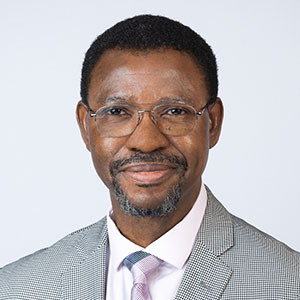
Emmanuel Babatunde John is professor of health professions and immediate past dean of the Myers School of Nursing and Health Professions at York College of Pennsylvania, USA, having completed his four-year term as dean on 30 June 2026. His career has been defined by a commitment to developing world-class infrastructure for physiotherapy in Africa, and for more than 25 years he has worked to help build it.
Born and trained in Nigeria, Emmanuel earned his BSc in physiotherapy from the College of Medicine, University of Lagos, in 1994 and practised in Kano while serving as an associate lecturer at Bayero University’s Federal School of Physiotherapy. He went on to earn a PhD in rehabilitation science from the University of Kansas Medical Center in 2006, a DPT from Alabama State University in 2015, an MBA from Louisiana State University Shreveport in 2016, and an MPH in global health from Liberty University in 2020. In 2017, he completed the American Physical Therapy Association (APTA) Education Leadership Institute fellowship programme.
His academic career in the USA progressed through roles at Howard University, Radford University, Touro University Nevada, and Chapman University, before he joined York College of Pennsylvania as dean. He is among the few Nigerian-born physiotherapists to have led a US health professions school as dean.
Some of Emmanuel’s most significant contributions to the profession have been made beyond his institutional roles. In 1999, while based in Kano, he founded the Nigeria Physiotherapy Network, the first online platform connecting Nigerian physiotherapists globally. He has personally designed, deployed, and sustained 12 major digital platforms for the profession. These include the World Physiotherapy Africa region website and conference abstract system from 2008 to 2022, the Nigeria Society of Physiotherapy digital ecosystem, and the first websites and continuing professional development systems for Nigeria’s Medical Rehabilitation Therapists Board; work which was all completed pro-bono.
At the 2014 World Physiotherapy Africa region congress in Zambia, Emmanuel proposed Vision 2020 and Vision 2030, the first continental education standards for physiotherapy in Africa, which were subsequently adopted by the Africa region. He brokered the first online transitional Doctor of Physical Therapy (tDPT) programme between the University of Michigan-Flint and Nigerian physiotherapists, enabling more than 28 physiotherapists to obtain doctoral degrees without leaving Nigeria. The Federal Government subsequently adopted the DPT as Nigeria’s entry-level model.
Emmanuel self-funded travel to Kenya, Zambia, Ghana, South Africa, and across Nigeria to design curricula, recruit faculty, provide textbooks, and support the development of physiotherapy programmes. He also collaborated remotely to establish Cameroon’s first entry-level BSc physiotherapy programme. He served as a pro bono curriculum consultant to Jimma University in Ethiopia, supporting its four-year BSc in physiotherapy programme, approved in 2004, and virtually co-chaired the 2022 World Physiotherapy Africa region conference in Benin.
A library at Nnamdi Azikiwe University was named in his honour, and in 2010 he donated an e-library valued at more than 1.5 million naira to the College of Medicine, University of Lagos. In 2024, the APTA Academy of Education awarded him the Cerasoli Lectureship, one of the highest honours in US physiotherapy education. He is also a fellow of the American Heart Association and the Institute of Management Consultants.
Emmanuel credits the grace of God for the opportunities he has received and acknowledges the support of his wife, Toyin, and their family throughout his career. He also acknowledges his spiritual parents, reverends Kola and Funke Ewuosho, and his mentors, particularly professors Chukuka Sam Enwemeka and Joseph A. Balogun.
Throughout his career, Emmanuel has combined academic leadership with a deep commitment to advancing physiotherapy in Africa. He has invested his own time and resources in building digital infrastructure, developing education standards and programmes, supporting institutions, and creating opportunities for physiotherapists to advance their education. His contribution has helped strengthen physiotherapy education, infrastructure, and professional development across Africa, leaving a lasting impact on the profession and the people it serves.
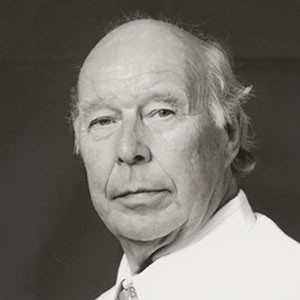
Freddy KaltenbornNorway
Freddy Kaltenborn
CloseNorway
Freddy Kaltenborn began his professional career in 1943 at the Norwegian Sports University (Statens Gymnastikk-skole). From 1944 to 1945 he studied as an exchange student at various German sports schools, including the famous German University for Physical Exercise in Berlin (Deutsche Hochschule für Leibesübungen). The curricula in the German programmes included sports massage and joint mobilisation techniques that were being used in the rehabilitation of wounded soldiers. These specialties later became the focus of his professional life.
In 1949, Freddy was certified in physical therapy by the Oslo Orthopaedic Institute in Norway. At the time, this certification was necessary for clinical practice and the institute was Norway’s only school of physiotherapy.
From 1952 to 1954 he studied orthopaedic medicine as an apprentice in London with James Mennell and James Cyriax. He was certified by Cyriax to teach orthopaedic medicine in 1955 and renewed his certification in 1985. Upon return to Norway, he worked to incorporate his diverse professional experiences into his own manual therapy system and to teach his concepts to clinicians there.
In 1958 he was certified as a chiropractor by FAC, the German medical association (Forschungs und Arbeits-gemeinschaft für Chiropraktik). He taught both chiropractic and his own methods to FAC medical doctors from 1958 to 1962. By 1962 the FAC had incorporated Freddy’s concepts to such an extent that they changed their professional name from Chiro-praktik to Chiro-therapy. He continued to provide instruction to FAC physicians until 1982.
Freddy started his osteopathic studies in London at the British School of Osteopathy in 1958 and at the London College of Osteopathy in 1962, where he was mentored by Alan Stoddard. He was approved as an osteopathic instructor in 1971 and taught as a professor at the Michigan State University College of Osteopathic Medicine in East Lansing, Michigan, United States from 1977 and 1984. In 1973, he was certified in orthopaedic medicine and manipulative therapy by the International Seminar of Orthopaedic Medicine/Manipulative Therapy (ISOMMT).
Freddy practiced orthopaedic medicine and manipulative therapy in Norway for 32 years, from 1950 to 1982. During that time, he instructed countless physical therapists, doctors, osteopaths, and chiropractors in manipulative treatment methods. He introduced manipulative therapy to Norwegian physical therapists in 1960 and to Nordic physicians in 1962 and was instrumental in developing manipulative therapy education and certification standards.
Together with Norwegian medical doctors, he brought the benefits of manipulative therapy to the attention of the Norwegian national health care system, which by 1957 had recognised the effectiveness of manipulative therapy.
Throughout his professional career, Freddy campaigned tirelessly for the creation of international educational standards and certification in manipulative therapy. He was a founding member of the International Federation of Orthopaedic Manipulative Therapists (IFOMT), now a World Physiotherapy specialty group, the International Federation of Manual and Musculoskeletal Physical Therapists (IFOMPT). He led on the development of IFOMT’s manipulative therapy education and certification standards as the first chairperson of its standards committee and continued as a consultant for the organisation for the next 16 years.
The details in this biography were taken from https://www.freddykaltenborn.com.
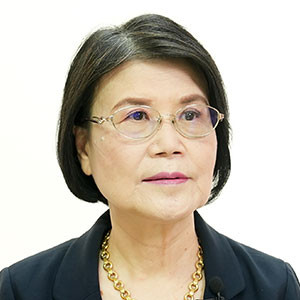
Hua-Fang LiaoTaiwan
Hua-Fang Liao
CloseTaiwan
Hua-Fang (Lily) Liao is a Taiwanese physiotherapist who has worked in paediatric physiotherapy for more than 50 years, with a particular focus on children with developmental delays and disabilities, and their families.
Lily served as secretary general (1993–1995) and president (1997–1999) of the Taiwan Physical Therapy Association (TPTA), and as chair of the School and Graduate Institute of Physical Therapy at National Taiwan University College of Medicine (1997–2000). In these roles, she made significant contributions to the enactment and amendment of Taiwan’s Physical Therapist Act, as well as the advancement of professional education and the establishment and implementation of national policy. These included disability evaluation based on the World Health Organization’s International Classification of Functioning, Disability and Health (ICF) framework, early childhood intervention, and school-based physiotherapy services.
Internationally, she has served on the Research Committee of World Physiotherapy’s specialty group, the International Organisation of Physiotherapists in Paediatrics (IOPTP). She has contributed to ICF education and implementation, reviewed for scientific journals, and supported the international development of the “My Abilities First” approach.
She has published more than 200 peer-reviewed journal articles and has served as editor-in-chief or editor of several reference works.
The impact of Lily’s work and advocacy has been recognised through a range of national and international honours, including the Huang Li-Li Award from the Taiwan Physical Therapy Association (1996), the Taiwan Early Intervention Palm Award (2003), the Outstanding Social Service Faculty Award from National Taiwan University (2010), an outstanding alumni award from the School and Graduate Institute of Physical Therapy at National Taiwan University (2014), an World Physiotherapy International Social Service Award (2015), the Taipei City Early Intervention Interdisciplinary Special Contribution Award (2017), the Taiwan Ministry of Health and Welfare Professional Medal (2017), and the National Guardian Angels of Children Award from Kiwanis Taiwan (2018).
Since retiring from the university, Lily has remained dedicated to advancing the profession and early intervention, advocating for the ICF model, the strength-based “My Abilities First” framework, and protection of the rights of individuals with disabilities.
She currently serves as the president of both the Taiwan Society of ICF and the Chinese Society for Enablement of People with Disabilities, alongside board and committee appointments in various official and non-profit organisations supporting child welfare, health, and education.
In her personal life, she embodies the core spirit of physiotherapy. By applying the ICF framework and strength-based perspectives, she optimises her functional abilities, intrinsic capacity, and environment to maintain vibrant physical and social participation as she ages.
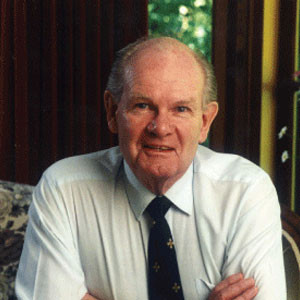
Geoffrey MaitlandAustralia
Geoffrey Maitland
CloseAustralia
Geoffrey (Geoff) Douglas Maitland was an Australian physiotherapist, educator, and professional leader. He is seen as one of the most influential figures in the history of physiotherapy.
Geoff has long been regarded as a visionary, master clinician, educator, innovator, and mentor. His greatest contribution was the development of a pioneering system of assessment and manual therapy management for people with musculoskeletal conditions, work that has profoundly influenced physiotherapy practice around the world.
Following study with leading medical and osteopathic practitioners in the United Kingdom during the early 1960s, Geoff developed what would become internationally recognised as the Maitland Concept. At its heart was a simple but revolutionary idea: understanding the individual patient and their pain through careful listening, thorough assessment, skilled clinical reasoning, and continual re-assessment. These principles, now considered fundamental to best practice physiotherapy, were groundbreaking at the time and continue to underpin musculoskeletal physiotherapy worldwide.
Geoff's influence extended far beyond clinical practice. As a passionate educator, he dedicated more than three decades to teaching physiotherapists in Australia and internationally. His textbooks on vertebral and peripheral manipulation became foundational resources for generations of clinicians, while his commitment to advancing professional education led to the establishment of the first postgraduate certificate courses in spinal manipulative therapy in 1964. His vision and leadership helped lay the foundations for the postgraduate musculoskeletal physiotherapy programmes now offered throughout the world.
A tireless advocate for the profession, Geoff played a pivotal role in establishing the Manipulative Therapists Association of Australia in 1966, now known as Musculoskeletal Physiotherapy Australia. He also helped shape the international development of the profession as a co-founder of the International Federation of Orthopaedic Manipulative Physical Therapists (IFOMPT) in 1974.
The impact of Geoff Maitland's work is immeasurable. His ideas transformed the education, standards, and practice of physiotherapy and continue to influence the care of countless patients globally. Few individuals have left such a lasting and far-reaching legacy.
His outstanding contributions have been recognised through numerous honours, including appointment as a Member of the Order of the British Empire (MBE) in 1981, the Mildred Elson Award for International Leadership, an Honorary Fellowship of the Chartered Society of Physiotherapy, Honoured Membership of the Australian Physiotherapy Association, and Life Membership of Musculoskeletal Physiotherapy Australia.
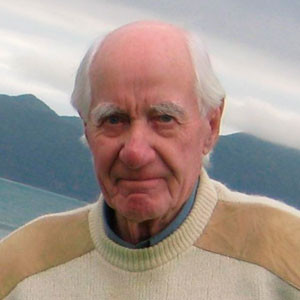
Robin McKenzieNew Zealand
Robin McKenzie
CloseNew Zealand
Robin Anthony McKenzie was born in Auckland, New Zealand, in 1931. He was educated at Wairarapa College, studied at the University of Otago, and graduated from the New Zealand School of Physiotherapy in Dunedin in 1952. In 1953, he established a private practice in Wellington, where he developed a particular interest in treating spinal disorders.
At the time, there was little research into spinal pain, and conservative management was dominated by bed rest and various passive treatment modalities.
Not long after Robin began practicing, a chance clinical event changed the direction of his career. A patient with acute sciatica, who had not responded to treatment, experienced relief from his symptoms after accidentally lying prone in a hyperextended position. Rather than dismissing the outcome as a chance occurrence, Robin began systematically examining the effects of movement and positioning on patients’ symptoms. These observations gradually developed into a new system for assessing and treating spinal pain.
As he continued to refine his approach, Robin realised that many patients could be taught to manage their own pain using simple exercises and postures. His commitment to promoting self-management among people with back pain led him to write and self-publish Treat Your Own Back in 1980. Its success led to a series of self-treatment books for people with musculoskeletal pain, which continue to be widely used.
In 1977, Robin began the first of many visits to North America and Europe to present his work. His approach gained international recognition, and he received numerous awards and honours from physiotherapy, medical, and scientific organisations around the world.
In 1982, he was awarded honorary life membership of the American Physical Therapy Association (APTA). He was elected to membership of the International Society for the Study of the Lumbar Spine in 1983 and named a fellow of the American Back Society in 1984. In 1985, he was awarded honorary fellowship of the New Zealand Society of Physiotherapists, followed by honorary life membership of the New Zealand Manipulative Therapists Association in 1987.
In 1990, Robin was awarded an honorary fellowship of the Chartered Society of Physiotherapy in the UK and was appointed an Officer of the Order of the British Empire (OBE) in the Queen’s Birthday Honours. He received an honorary doctorate from the Academy of Medical Sciences of Russia in 1993 and honorary life membership of the New Zealand College of Physiotherapy in 1998. In 2000, he was appointed a Companion of the New Zealand Order of Merit.
In 2004, members of the Orthopaedic Section of APTA named Robin the most influential and distinguished physical therapist in the field of orthopaedic physical therapy.
The principles Robin developed have subsequently been the subject of extensive research, with scientific evidence supporting aspects of his approach and its effectiveness.
After retiring from clinical practice, Robin continued to work as an international consultant to organisations involved in the research and treatment of mechanical spinal disorders.
In 1982, he founded The McKenzie Institute International and led its development into a worldwide educational organisation. Physiotherapists, doctors, chiropractors, and other health professionals in 40 countries have been educated in the McKenzie Method. The Institute’s continuing education programme has helped ensure that his approach continues to be taught internationally.
On 13 May 2013, Robin died peacefully after a courageous battle with cancer. He was survived by his wife and soulmate, Joy, four children, and six grandchildren, who are immensely proud of him.
His work transformed approaches to the assessment and management of musculoskeletal disorders, with his emphasis on patient self-management becoming an enduring part of his contribution to physiotherapy practice worldwide.
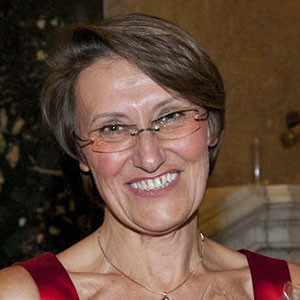
Silvia Mériaux-KratochvilaAustria
Silvia Mériaux-Kratochvila
CloseAustria
Silvia Mériaux-Kratochvila is an Austrian physiotherapist, educator, academic leader, and advocate for the professional and academic advancement of physiotherapy. Over a career spanning more than four decades, she has made a lasting contribution to physiotherapy education, professional development, and international collaboration in Austria and across Europe.
Silvia qualified as a physiotherapist in Vienna in 1978 and began her career in clinical practice working with inpatients and outpatients across a range of medical disciplines. Early on she also became involved in the education and clinical supervision of physiotherapy students while maintaining an independent clinical practice, with a particular focus on musculoskeletal physiotherapy.
Her strong interest in education led her to complete a teaching qualification for medical and therapeutic professions in Vienna between 1988 and 1990, followed by further study in management and organisational development. She later completed postgraduate studies in educational sciences in Derby, United Kingdom, gaining a master’s degree in education. Her continuing professional development has also encompassed clinical practice, communication, management, and leadership.
From 1990 to 2007, Silvia served as director of the Physiotherapy Academy at Kaiser Franz Josef Hospital in Vienna. In this role, she was responsible for educational organisation, quality assurance, staff development, and the continued professional and pedagogical development of physiotherapy education.
In 2007, Silvia joined the University of Applied Sciences Campus Wien, where she held senior academic leadership roles until 2022. As head of the physiotherapy degree programme and later head of the Department of Health Sciences, she played an important role in the development of healthcare education and physiotherapy’s place within higher education, with a focus on educational structures responsive to changing professional, scientific, and societal needs.
Alongside her academic career, Silvia was active in professional leadership. From 1999 to 2018, she served as president of Physio Austria, the Austrian professional association for physiotherapists. During nearly two decades in the role, her work focused particularly on educational standards, academic development, professional recognition, and frameworks for physiotherapy practice.
Her contribution also extended internationally. Between 1985 and 2018, Silvia participated in national and European working groups focused on physiotherapy education and professional development, including the European Network for Physiotherapy Education and the World Physiotherapy Europe region Education Working Group.
Since 1993, she has also contributed her expertise to the assessment and recognition of international physiotherapy qualifications for the Austrian Federal Ministry of Health, supporting the evaluation of physiotherapists educated outside Austria.
Silvia’s career reflects a lifelong commitment to people, education, and the advancement of her profession. Through her work as a clinician, educator, academic leader, professional representative, and expert assessor, she has helped shape physiotherapy into an increasingly autonomous, academically grounded, and internationally connected healthcare profession.
Her professional legacy is defined by the integration of therapeutic expertise with educational leadership and a sustained commitment to the advancement of physiotherapy and its future within modern healthcare and higher education.
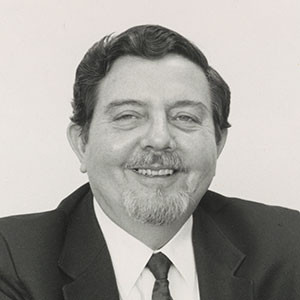
Eugene MichelsUnited States
Eugene Michels
CloseUnited States
Eugene “Mike” Michels (1926–1996) was an American physiotherapist, educator, researcher, and professional leader whose 37-year career had a significant influence on the development of physiotherapy research and professional leadership.
Mike received his physical therapy certificate from the University of Pennsylvania School of Allied Medical Professions in 1951. He practised as a physiotherapist until 1965, beginning at Graduate Hospital of the University of Pennsylvania before becoming director of physical therapy at Magee Memorial Hospital Rehabilitation Center in Philadelphia in 1958.
In 1965, he joined the University of Pennsylvania School of Allied Medical Professions as an instructor in physical therapy. In 1967 he completed an MA in educational psychology, with a minor in measurement and statistics, and later became assistant professor and then associate professor of physical therapy.
Alongside his clinical and academic career, Mike was active in professional leadership. He held a range of roles with the Pennsylvania Physical Therapy Association between 1952 and 1967, including president, vice president, treasurer, programme chair, and senior director.
At national level, he became the first male president of the American Physical Therapy Association (APTA), serving from 1967 to 1973. He later joined the association’s staff as associate executive vice president for research and education from 1977 to 1988 and served as interim executive director from July 1986 to February 1987.
Internationally, Mike served two terms as president of World Physiotherapy, from 1974 to 1982, bringing his experience in professional leadership, education, and research to the organisation at an international level.
Throughout his career, research was a defining focus of Mike’s work. He played an important role in developing APTA’s approach to supporting physiotherapy research and spent many years teaching students and clinicians the foundations of clinical research. He also mentored developing researchers in the design, conduct, and reporting of research.
His legacy in physiotherapy research continues through several initiatives established in his name. These include the Eugene Michels Fund for Educational Research, established in 1984 by the Foundation for Physical Therapy Research, and the Eugene Michels New Investigator Award, established in 1989 to recognise physiotherapists engaged in independent research. In 1982, APTA’s research section, now the Academy of Physical Therapy Research, also established the annual Eugene Michels Researchers’ Forum in his honour. Mike received numerous honours during his career, including the Dorothy Briggs Memorial Scientific Inquiry Award in 1971, Lucy Blair Service Award in 1974, Golden Pen Award in 1977, Mary McMillan Lecture Award in 1984, and recognition as a Catherine Worthingham Fellow of APTA in 1986. In 1985, Thomas Jefferson University in Philadelphia awarded him an honorary Doctor of Letters degree.
Mike’s legacy spans clinical practice, education, research, and professional leadership, including helping establish research as an important part of the development of physiotherapy in the United States and internationally.
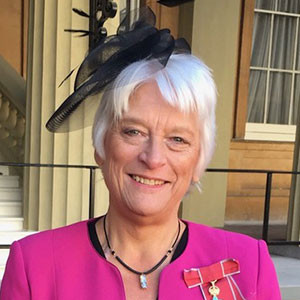
Ann MooreUnited Kingdom
Ann Moore
CloseUnited Kingdom
Ann Moore qualified as a physiotherapist in 1973. After working clinically in the National Health Service (NHS), she trained as a physiotherapy teacher and became a lecturer in Coventry, where she was awarded a Doctor of Philosophy (PhD) in 1990, one of the first awarded to a physiotherapist in the UK.
In 1991, she joined Brighton Polytechnic, later the University of Brighton, as a principal lecturer. She was awarded a personal Chair in Physiotherapy in 1998 and led its Clinical Research Centre for Health Professions from 1998 to 2013, which became the Centre for Health Research in 2013. She retired from the university in 2015 and is professor emerita of physiotherapy.
Ann has specialised in musculoskeletal physiotherapy throughout her career. Her teaching and research have focused largely on non-specific low back pain, using clinical trials, laboratory-based studies, qualitative research, and, more recently, art and health research approaches. She has been particularly interested in patient experience, the impact of low back pain, and developing approaches to patient care, education, and self-management.
Ann has published seven books, 10 book chapters, 11 research reports, 94 peer-reviewed articles, 14 occasional papers, and 81 editorials. She has delivered more than 200 keynote and invited addresses and presentations nationally and internationally and supervised 30 doctoral students to completion. She also served as an expert panel member for the UK’s Research Excellence Framework from 2011 to 2014, assessing the quality of university research in allied health professions and related disciplines.
In 2004, in partnership with three other professors, and with funding from the Chartered Society of Physiotherapy, Ann developed the National Physiotherapy Research Network. This became the Allied Health Professions Research Network in 2012 and, in 2014, the Council for Allied Health Professions Research (CAHPR), funded by the UK allied health professional bodies. These initiatives focused on increasing research capacity and developing the research profile of allied health professions across the UK. Ann led the networks and subsequently served as director of CAHPR until 2019. She was also a founder member and chair of the National Council for Osteopathic Research from 2006 to 2012.
From 1995 to 2025, Ann was editor-in-chief of Musculoskeletal Science and Practice, previously Manual Therapy, an international journal of musculoskeletal physiotherapy.
Her contributions to the physiotherapy profession have been recognised internationally. She received the World Confederation for Physical Therapy International Service Award in 2007, honorary fellowships from the Chartered Society of Physiotherapy in 1999 and the Musculoskeletal Association of Chartered Physiotherapists in 2003, an honorary Doctor of Science degree from Bedford University in 2011, and lifetime membership of the International Federation of Orthopaedic Manipulative Physical Therapists in 2020.
In 2016, Ann was appointed Commander of the Order of the British Empire (CBE) in Queen Elizabeth II’s Birthday Honours for her services and contributions to physiotherapy and other allied health professions.
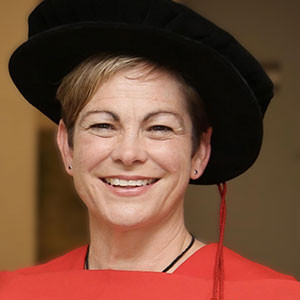
Brenda MorrowSouth Africa
Brenda Morrow
CloseSouth Africa
Brenda Morrow is a South African physiotherapist, clinician, researcher, educator, and professional leader whose career has focused on paediatric critical care, child health, and strengthening interdisciplinary practice and research.
Brenda qualified as a physiotherapist at the University of Cape Town (UCT) in 1995 and began her career treating critically ill children at Red Cross War Memorial Children’s Hospital in Cape Town, South Africa, where she continues to work today. Three decades later, this clinical experience remains the foundation of her work as a clinician, researcher, teacher, and leader. Throughout her career, she has championed the role of the interdisciplinary team in effective, holistic child health practice, advocacy, and research.
She went on to complete a PhD at UCT in 2005, followed by a Postgraduate Diploma in Health Research Ethics at Stellenbosch University in 2014 and a Postgraduate Diploma in Paediatric Palliative Medicine at UCT in 2019, both completed with distinction.
Brenda’s academic career developed from her PhD research investigating airway clearance techniques in critically ill infants and children. Her research interests have since expanded across child health, including cystic fibrosis, neuromuscular diseases, cardiopulmonary rehabilitation, global health, palliative care, and medical ethics, alongside interdisciplinary research in paediatric critical care. She is now a professor in the Department of Paediatrics and Child Health at UCT.
Brenda has demonstrated a strong commitment to research and the development of others. She has published more than 175 peer-reviewed journal papers and 22 book chapters and co-edited two editions of Cardiopulmonary Physiotherapy in Trauma: An Evidence-Based Approach. She has also supervised more than 50 postgraduate students to completion, including physiotherapists from under-resourced African settings whom she has supported to develop as advanced clinical practitioners, researchers, and leaders in their communities.
Capacity building has been a significant focus of Brenda’s work. She developed and continues to convene Africa’s first Postgraduate Diploma in Clinical Paediatric Physiotherapy through the African Paediatric Fellowship Programme. The programme reflects her commitment to ensuring that specialised paediatric physiotherapy skills are accessible beyond well-resourced health systems. She is also developing a clinical Master of Interdisciplinary Paediatric Practice to provide advanced training for paediatric care teams, including physiotherapists, occupational therapists, speech and language therapists, and nurses.
Brenda has also broken new ground for physiotherapy in leadership roles traditionally held by physicians. From 2022 to 2024, she served as the first non-physician and first woman president of the World Federation of Pediatric Intensive and Critical Care Societies (WFPICCS). She is currently president of the Critical Care Society of Southern Africa (CCSSA), where she is the first physiotherapist and first non-physician to hold the position.
Alongside her clinical, research, and leadership work, Brenda has contributed extensively to the review and dissemination of evidence. She is editor-in-chief of the Southern African Journal of Critical Care, senior associate editor of Pediatric Critical Care Medicine, associate academic editor for PLOS ONE, and an editorial board member of the South African Journal of Physiotherapy. She also serves as a peer reviewer for more than 40 international journals and funding bodies.
At UCT, Brenda chairs the Faculty of Health Sciences’ Doctoral and Research Master’s Committee, serves on the Human Research Ethics Committee, and is deputy chair of the University’s Doctoral Degrees Board. Through these roles, she contributes to the development and oversight of postgraduate research across the health sciences, extending her academic leadership beyond physiotherapy.
Her contributions have received national and international recognition. Brenda received the CCSSA President’s Award for outstanding contributions to critical care in 2017, becoming the first allied health professional to receive the award. This was followed by the Alliance of South African Independent Practitioners Associations’ National Medical Award in 2019, the South African Society of Physiotherapy’s Academic Award in 2024, and its President’s Award in 2025.
In 2025, she also received the Distinguished Woman Researcher Award in the Natural and Engineering Sciences category at the South African Women in Science Awards, becoming the first physiotherapist to receive the recognition.
Throughout her career, Brenda has worked to ensure physiotherapists are represented as active contributors to decisions concerning child health research, policy, advocacy, and clinical practice. Her work has combined specialist paediatric physiotherapy, interdisciplinary critical care, research, education, capacity building, and professional leadership to strengthen both the profession and child health practice in South Africa and internationally.
Tim NémethBelgium
Tim Németh
CloseBelgium
Tim Németh is a Belgian physiotherapist, researcher, educator, and professional leader with a longstanding interest in the policy and socio-economic frameworks that shape physiotherapy. His interest in health policy began during his undergraduate studies in the late 1990s and has remained a central focus throughout his career.
Tim became involved in professional advocacy at a local level early in his career, developing an understanding of the importance of physiotherapists to help shape the legal and policy frameworks governing the profession. In 2007, he was one of the key architects of the merger of Belgium’s former professional associations into Axxon, creating a single representative body for physiotherapists nationally.
Through his work with Axxon, Tim led and contributed to initiatives aimed at improving working conditions and professional autonomy for physiotherapists. These included the formal recognition of weekends as distinct from standard working hours, patient self-referral, and the implementation of a new physiotherapy policy framework recognising contemporary professional competencies. In 2026, he received the Medal of Special Recognition from the Ministry of Social Affairs for services to the community.
Tim’s involvement with World Physiotherapy began in 2011, when he attended his first World Physiotherapy Congress and became involved with the International Private Physiotherapy Association (IPPTA). He has since participated in every World Physiotherapy Congress as a presenter, abstract reviewer, or session chair. In 2015, he was elected to the IPPTA executive committee and has continued to serve in leadership roles, including as president, a term he will complete in 2027. During this time, he initiated a dedicated fund to support member organisations with limited resources to participate in global meetings.
In 2016, Tim joined the Advocacy and EU Matters working group of the World Physiotherapy Europe region. During two terms with the group, he initiated the project of mapping professional autonomy across the region. He also led on advocacy strategies on public affairs and the economic contribution of physiotherapy. He was subsequently elected vice chair of the Europe region executive committee.
In 2026, World Physiotherapy member organisations in the Europe region elected Tim as region chair. In this role, he continues to promote collaboration between member organisations and further the profession across Europe.
Alongside his professional leadership, Tim has developed an academic interest in the relationship between policy, education, and quality of care. In 2020, he completed a master’s degree at the University of the Witwatersrand in South Africa, with his thesis on policy analysis of legislative frameworks affecting physiotherapy in Belgium and South Africa. This work provided the foundation for his PhD research at Hasselt University, which focuses on the relationship between lifelong learning and quality of care.
Teaching and mentorship are another important part of Tim’s work. He encourages students and colleagues to engage with international perspectives on physiotherapy policy and creates opportunities for students to exchange ideas with colleagues working in policy development around the world. Through this work, he aims to strengthen understanding of the different policy frameworks shaping physiotherapy and rehabilitation.
Throughout his career, Tim has sought to strengthen the voice of physiotherapists in policy development while supporting greater professional autonomy and collaboration. Through his advocacy, research, teaching, and mentorship, he continues to encourage future generations of physiotherapists to take an active role in shaping the profession.
Úna O’ConnorIreland
Úna O’Connor
CloseIreland
Úna O’Connor is an Irish physiotherapist whose career has spanned clinical practice, education, and professional leadership who has made pioneering contributions to antenatal and postnatal physiotherapy and primary care.
Úna graduated from the Dublin School of Physiotherapy in 1957 with the qualification M.S.C.P. and a diploma from Trinity College Dublin, in the first year the diploma was awarded.
She began her career at Jervis Street Hospital, which was a general hospital at the time, and in 1962 joined the Rotunda Hospital, becoming the second physiotherapist ever to practice ante and postnatal care in Ireland. Having trained at University College Hospital, London, and with physiotherapist Laura Mitchell in her relaxation method, Úna served on the Committee of Obstetrics and Gynaecology in London for many years.
In 1965, Úna organised the first international conference in obstetrics and gynaecology in Ireland, with delegates attending from England, Ireland, and the Netherlands. She joined the Trinity College teaching practice in Ballyfermot, lecturing medical students and trainee general practitioners about the benefits of physiotherapy and running relaxation classes for stress management. She was also described as the first physiotherapist to work in a primary care practice as part of a team.
Úna was a founding member of the Irish Society of Physiotherapy in 1982 and later served as its president from 1986 to 1992. During her presidency, the organisation became the Irish Society of Chartered Physiotherapists and was incorporated as a limited company. It also established its Benevolent Fund to support members and former members of the Society and their families who are suffering hardship through illness, want or deprivation, or in any way in difficult circumstances. and joined World Physiotherapy as a member organisation.
In 1988 the Society joined World Physiotherapy as a member organisation. Úna described the occasion, and being applauded by delegates from 44 countries, as a huge honour. She completed her term as president at the Trinity College 400 Conference and in 2021 was awarded a fellowship and honorary life membership of the Irish Society of Chartered Physiotherapy.
Katsumi OgawaJapan
Katsumi Ogawa
CloseJapan
Katsumi Ogawa is a Japanese physiotherapist and senator. He currently serves as chair of the Senate Committee on Health, Welfare and Labour, a board member of the Japanese Physical Therapy Association (JPTA), and deputy secretary-general of the Liberal Democratic Party (LDP) Subcommittee on Rehabilitation. He is committed to advancing policies on rehabilitation, physiotherapy, long-term care, and healthcare.
Born on 31 August 1951 in Kitakyushu, Japan, Ogawa graduated from Kyushu Rehabilitation College in 1973 and qualified as a physiotherapist. His interest in rehabilitation and social participation developed during his student years, when he joined a volunteer organisation promoting the social participation of children with disabilities.
A visit to Taiyo no Ie, a pioneering facility for people with disabilities in Beppu, Oita Prefecture, influenced his career; seeing people with disabilities living independently and participating actively in employment strengthened his belief that, with the right environment and opportunities, people with disabilities can participate fully in wider society. This experience became the foundation of his lifelong commitment to rehabilitation and social participation.
After gaining clinical experience, Ogawa moved into physiotherapy education. In 1985, he enrolled in the Faculty of Commerce at Kumamoto University of Commerce, where he studied financial statements and business management. He later drew on this knowledge in his leadership work with the Japanese Physical Therapy Association (JPTA).
From 1992 to 2003, Ogawa served as president of the Kumamoto Physical Therapy Association. He joined the board of directors of JPTA in 2001 and became vice president in 2007, taking an active role in advancing and strengthening the profession.
In 2016, at the request of the Japan Physical Therapy Political Federation, Katsumi stood as an LDP candidate in the 24th election for the Japanese Senate and was elected. Since entering the Senate, he has held several key positions including director and chair of the Senate Committee on Health, Welfare and Labour, vice chair of the LDP Policy Research Council, deputy chair of the LDP Diet Affairs Committee, and deputy director of the LDP Health, Labour and Welfare Division.
In recent years, Katsumi has been involved in addressing women’s health through rehabilitation, including establishing a cross-party parliamentary group focused on physiotherapy and rehabilitation during pregnancy and the postpartum period. The group raises awareness of physical and functional problems associated with pregnancy and childbirth and the role rehabilitation can play in supporting women’s health and quality of life.
Katsumi continues to work across Japan to strengthen rehabilitation and long-term care. His guiding principle, “towards a future worth creating”, reflects his focus on the future development of these areas.
Thompson Abayomi OshinNigeria
Thompson Abayomi Oshin
CloseNigeria
Thompson Abayomi Oshin was born on 30 July 1926 into the Oshin family of Mobalufon, Ijebu-Ode, Nigeria. Raised partly in Sabon Gari, Kano, he became fluent in Yoruba and Hausa and developed lifelong interests in music, scouting, education, faith, and community service. A gifted musician, he continued to play the organ, piano, flute, and harmonica into his nineties. In 1999, he translated the Scout Promise and Scout Law from English into Yoruba.
Thompson became one of Africa’s physiotherapy pioneers. In January 1954, he was the first African physiotherapist to qualify in London, where he also became the first African to take sole charge of the evening physiotherapy clinic at St Nicholas Hospital, Plumstead. That year, he became the first African physiotherapist to broadcast on BBC London, discussing the value of physiotherapy to West Africa.
From 1958 to 1959, Thompson was the first African exchange physiotherapist to the United States and, from 1963 to 1965, the first African to teach physiotherapy at King’s College Hospital, London, where, in 1971, the Nigeria Society of Physiotherapy named him “Father of Physiotherapy” in Nigeria.
Returning to Nigeria, Thompson helped establish physiotherapy as an academic and professional discipline. He was a founding member of the Nigeria Society of Physiotherapy, the country’s first university lecturer in the field, and a driving force behind Nigeria’s first BSc Physiotherapy programme at the University of Ibadan, which started in 1966. In 1973, he became the first head and consultant physiotherapist at University College Hospital, Ibadan.
His continental leadership included election as the first secretary-general of the African Physiotherapist Organization in 1980. He also served as a member of the World Confederation for Physical Therapy, National Secretary in Nigeria of the International Society for the Welfare of Cripples (Physically Challenged), chairman of the Medical Rehabilitation Therapists (Registration) Board of Nigeria, and a member of the National Universities Commission Accreditation Panel.
Thompson’s clinical and scholarly contributions included the discovery and documentation of “Oja Palsy”, later published in Davidson’s Principles and Practice of Medicine. He designed corrective splints for Oja Palsy and Erb’s Palsy, as well as folding wooden crutches, demonstrating his commitment to practical and affordable rehabilitation solutions.
He also authored A thousand year perpetual calendar 1583–3100 A.D. and served as personal physiotherapist to Chief Obafemi Awolowo, Premier of the Western Region of Nigeria, from 1956 to 1959.
At 100 years old, Thompson’s legacy rests on his pioneering contribution to physiotherapy in Nigeria and Africa. He has supported hospitals, homes for people with disabilities, and educational institutions through donations of physiotherapy equipment and crutches, wheelchairs, land, teaching materials and sports equipment. He endowed prizes for physiotherapy graduates at the Universities of Ibadan and Lagos and for nursing at University College Hospital, Ibadan. His service has also extended to his Christian faith and community. Through a century of service, he has educated generations of professionals, advanced rehabilitation, supported people with disabilities, and made a lasting contribution to the profession and the communities he has served.
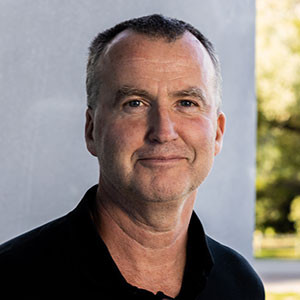
Anders OttossonSweden
Anders Ottosson
CloseSweden
Anders Ottosson is a Swedish physiotherapist, historian, and senior fellow at the Department of Historical Studies, University of Gothenburg. His research has made a significant contribution to understanding the history and professionalisation of physiotherapy, particularly its relationship with medicine, orthopaedics, physical education, gender, and professional autonomy.
Anders qualified as a physiotherapist at Lund University in 1995 before going on to study history at the University of Gothenburg. In 2005, he completed a doctorate in history with the thesis "The Physiotherapist – what happened to him? A study of the masculinisation and de-masculinisation of the physiotherapy profession, 1813-1934".
His doctoral research traced the early development of physiotherapy in Sweden through the Royal Central Institute of Gymnastics (RCIG), founded in Stockholm in 1813. The Institute initially trained only male physiotherapists. Not until 1864 were women allowed to enter this school and thereby become physiotherapists. The RCIG’s physiotherapy gained an international reputation as a form of drug-free ‘mechanical medicine’.
Due to this it spread globally and many physicians, particually orthopaedists, embraced it. From the start the physiotherapists in Sweden operated independent of the medical profession. In1864 it was even codified that anyone who wanted to open a physiotherapy clinic had to have an exam from the RCIG, and in 1887 physiotherapists got licensed by the government.
Anders’ research explored how the profession’s development became intertwined with questions of gender, medical authority, and professional autonomy. He examined an 80-year struggle between physiotherapists and physicians, particularly orthopaedists, over professional authority, scientific interpretation, and control of practice. His work showed how changes to education and professional structures, including an intense lobbying by Swedish orthopedists to prohibit men from becoming physiotherapists, which by 1934 contributed to male students no longer applied to the RCIG's physiotherapy programme. This was also parallelled by physiotherapy losing its professional independence to the medical profession.
Through this work, Anders has challenged assumptions about physiotherapy having historically been a predominantly female profession and highlighted the role of male physiotherapists in its early development. His research has also contributed to a broader understanding of how professional power, gender expectations, and healthcare structures shaped the modern profession.
In his 2026 book, The Lost Origins of Osteopathy and Chiropractic in European Mechanical Medicine and Physical Education, c. 1800–1950, Anders argues that the believed North American systems of osteopathy and chiropractic have much stronger connections with European medical practice than previously thought. His research traces links between these approaches and 19th-century European mechanical medicine (physiotherapy), including the work of Swedish physiotherapist Henrik Kellgren (1837-1916), an alumnus of the RCIG.
Across his academic work, Anders has helped recover overlooked aspects of physiotherapy’s history and place them within the wider development and professionalisation of healthcare. His research has brought new attention to the profession’s early scientific identity, international influence, and longstanding debates around autonomy and professional recognition.
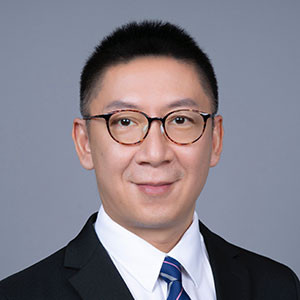
Marco PangHong Kong
Marco Pang
CloseHong Kong
Marco Pang graduated from the University of Alberta with a BSc in Physical Therapy. His early clinical work in neurorehabilitation at a major hospital in Winnipeg inspired him to pursue further study, and he returned to the University of Alberta to complete a PhD in Neuroscience. Following postdoctoral training at the University of British Columbia, he returned to his birthplace, Hong Kong, to pursue an academic career.
Marco has since established himself as a leader in physiotherapy education, research, and professional development. In 2011, he designed and launched the Master in Physiotherapy programme at the Hong Kong Polytechnic University (PolyU), the first entry-level postgraduate physiotherapy programme in Southeast Asia. His contributions to education have been recognised with awards from PolyU and the University of Alberta, as well as a QS Reimagine Education Silver Award. He has mentored numerous PhD trainees and delivered more than 200 invited lectures and workshops across over 20 countries. Since 2024, he has served as head of the Department of Rehabilitation Sciences at PolyU. He also founded and was the inaugural chair of the Hong Kong Physiotherapy Association’s physiotherapy education specialty group.
As a neurorehabilitation scientist, Marco’s research has advanced understanding and practice in areas including bone health, dual-task function, and fall prevention following stroke. He is a chair professor at PolyU and one of seven endowed professors within its Faculty of Health and Social Sciences. Since 2022, he has been included in Stanford University’s ranking of the world’s top 1% most-cited scientists in rehabilitation. In 2023, he received the World Physiotherapy International Service Award for Research.
Marco has also played a significant role in professional governance and advocacy. He served the Hong Kong Physiotherapy Association as vice president for research and publication from 2011 to 2017 and as president from 2017 to 2024. Since 2012, he has been editor-in-chief of the Hong Kong Physiotherapy Journal, overseeing its development from an annual, non-indexed publication to a biannual, indexed international journal. His advocacy contributed to policy reform in Hong Kong, including legislation passed in 2025 allowing provisional direct access to physiotherapy services. He has also been appointed to the Primary Healthcare Committee and the Expert Panel Executive Board of the Primary Healthcare Commission as a representative of the rehabilitation sector.
Marco’s contribution extends to the international physiotherapy community. He served on the World Physiotherapy executive committee from 2017 to 2019 and, in 2023, became chair of the Asia Western Pacific region executive committee, where he continues to support regional collaboration and the development of the physiotherapy profession.
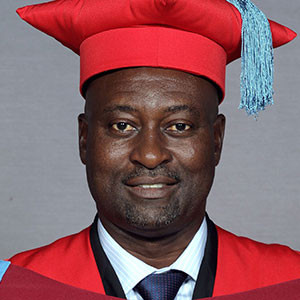
Jonathan QuarteyGhana
Jonathan Quartey
CloseGhana
Jonathan Quartey is a Ghanaian physiotherapist, academic, clinician, and health professions educator whose career has combined physiotherapy practice, education, research, and professional leadership.
His route into physiotherapy began while he was working as a medical laboratory technician at Korle-Bu Teaching Hospital in Accra. In the late 1990s, he responded to an initiative from Ghana’s Ministry of Health to address a national shortage of physiotherapists. He trained in the Netherlands, graduating with a bachelor’s degree in Physiotherapy from Hogeschool van Amsterdam in 2003, before returning to the Physiotherapy Department at Korle-Bu Teaching Hospital.
He later completed an MSc in Physiotherapy (Sports and Orthopaedics) at the University of Ibadan, Nigeria, an MSc in Health Professions Education at Maastricht University, the Netherlands, and a PhD in Physiotherapy at the University of Pretoria, South Africa.
Jonathan joined the University of Ghana’s physiotherapy education team in 2006 as a part-time teaching assistant and became assistant lecturer in 2008. In 2023, he was appointed the university’s first Ghanaian associate professor of physiotherapy. He headed the Department of Physiotherapy from 2018 to 2022 and returned to the role in 2026. In 2018, he became the first head of the College of Health Sciences’ Health Professions Education Unit and first chair of its Health Professions Education Committee.
Widely regarded as Ghana’s first sports physiotherapist, he has worked with the Black Stars, Black Galaxies, and Ghana’s junior national football teams. He led physiotherapy teams at the 2008 Africa Cup of Nations and the 2009 African Hockey Cup of Nations and supported Team Ghana as a physiotherapist at the Olympic Games in Rio in 2016 and Tokyo in 2021, the All-African Games in Rabat in 2019, and the Commonwealth Games in Glasgow in 2014, Gold Coast in 2018 and Glasgow in 2026.
His professional leadership has extended across Ghana and the wider profession. He served as president of the Ghana Physiotherapy Association from 2012 to 2014 and later chaired its National Council. He was vice president of the World Physiotherapy Africa region from 2010 to 2014 and president from 2014 to 2020, contributing to the development of physiotherapy standards, regulation, and education across the region. He also edited the region’s newsletter for four years and serves as an accreditation panellist for the Ghana Tertiary Education Commission, the Allied Health Professions Council of Ghana, and the World Physiotherapy Accreditation Committee.
As a researcher, Jonathan has authored peer-reviewed publications in physiotherapy education, musculoskeletal physiotherapy, and sports physiotherapy. He has led research grants, including a US$250,000 national monitoring and evaluation programme for sickle cell disease care in Ghana. In 2017, he received a World Physiotherapy award for an outstanding poster presentation.
Throughout his career, Jonathan has demonstrated a strong commitment to training and mentoring others. He has supervised BSc, MSc, MPhil, and PhD physiotherapy candidates in Ghana and internationally, helping to support the development of future physiotherapists, researchers, and health professions educators.
He continues to lead the Department of Physiotherapy and the Health Professions Education Programme at the University of Ghana, combining academic leadership with his commitment to education, professional development, and clinical practice.
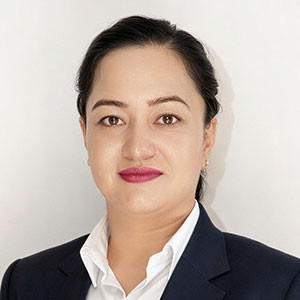
Nistha ShresthaNepal
Nistha Shrestha
CloseNepal
Nistha Shrestha is a physiotherapist, rehabilitation and health policy leader, and researcher from Nepal, recognised for her contributions to rehabilitation systems, disability-inclusive health, and expanding access to physiotherapy and rehabilitation services nationally.
She currently serves as co-chief physiotherapist at the Department of Health Services, Ministry of Health and Population, Government of Nepal, where she is the national focal person for rehabilitation services, disability-inclusive health services, and injuries.
Earlier in her career, Nistha was an assistant professor at Kathmandu University School of Medical Sciences and a consultant paediatric physiotherapist at Dhulikhel Hospital–Kathmandu University Hospital. Her work encompassed physiotherapy education, curriculum development, research, academic capacity building, and paediatric rehabilitation.
Nistha has also contributed to the development of the physiotherapy profession in Nepal through the Nepal Physiotherapy Association, serving as vice president, secretary, and executive member. Her work has included professional development initiatives, continuing professional development guidelines, contributions to the physiotherapy code of ethics, and leadership in national physiotherapy conferences and professional capacity-building activities.
In recent years, Nistha has played a leading role in integrating rehabilitation into Nepal’s health system through a functioning and person-centred approach. Her work has contributed to expanding physiotherapy services closer to local communities, with physiotherapy now available in more than 70% of provincial and district hospitals, while work continues to integrate rehabilitation into basic hospitals and urban health promotion centres. She has led initiatives to develop rehabilitation at primary healthcare level through task-shifting, workforce development, and capacity building for health workers.
Her national policy work includes leadership in developing Nepal’s National Rehabilitation Strategy 2024–2030, which provides a national framework for accessible, equitable, and comprehensive rehabilitation services. Her wider policy work has included health equity for people with disabilities, rehabilitation workforce mapping, integration of rehabilitation data into national health information systems, minimum service standards and treatment protocols, public-private collaboration, caregiver training, and guidelines for rehabilitation facilities.
Assistive technology has been another important area of her work. Nistha has contributed to population-based assessments of assistive technology needs, capacity assessments, revision of Nepal’s Priority Assistive Products List, and costing of priority assistive products. This work aims to help ensure people with disabilities can access the services, technologies, and support they need to participate fully in society.
Her leadership extends to rehabilitation in emergencies and humanitarian settings. Nistha has contributed to rehabilitation responses during major emergencies in Nepal, including the 2023 Jajarkot earthquake, the 2025 Gen Z protests, and the 2026 Rasuwa flood, helping increase recognition of rehabilitation and injury prevention within emergency health responses.
Evidence-informed health policy is another focus of her work. Nistha served as a research fellow on evidence-informed health policy making in Nepal through a British Academy-funded collaborative fellowship involving institutions in Nepal and the United Kingdom. Her research explored how policy makers access, interpret, and use evidence related to functioning, health, and wellbeing in policy decision-making. She is currently pursuing a PhD in health policy and systems research focused on rehabilitation.
Through her clinical, academic, policy, and professional leadership, Nistha’s work demonstrates how physiotherapy can extend beyond individual clinical care to influence health systems, public policy, equity, emergency response, and population wellbeing. Her professional vision is to advance accessible, equitable, and person-centred rehabilitation, and ensure functioning and rehabilitation are recognised as integral to universal health coverage.
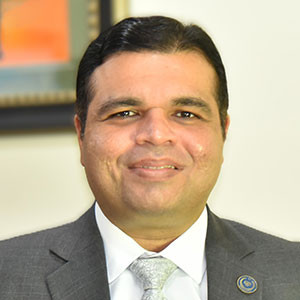
Furqan Ahmed SiddiqiPakistan
Furqan Ahmed Siddiqi
ClosePakistan
Furqan Ahmed Siddiqi is a Pakistani physiotherapist, academic, researcher, and rehabilitation leader with more than two decades of experience across clinical practice, physiotherapy education, research, and professional leadership. He holds a PhD in Rehabilitation Sciences (Physiotherapy), a Post-Professional Doctor of Physical Therapy, and a Diploma in Health Professions Education. He has completed advanced rehabilitation leadership training through the Global Rehabilitation Leadership Institute. His career reflects a sustained commitment to physiotherapy education, evidence-based practice, and professional development in Pakistan.
Beginning his career as a clinician, Siddiqi gained extensive experience in the management of neurological and musculoskeletal conditions and complex rehabilitation needs. This clinical foundation shaped his commitment to connecting practice with education and research. He currently serves as professor, dean/principal, and consultant physiotherapist at Foundation University College of Physical Therapy, Foundation University Islamabad, where his responsibilities include academic leadership, clinical education, curriculum development, and postgraduate training.
He has contributed to the development of academic programmes, clinical education, multidisciplinary practice, and faculty development. At a national level, his work with the Higher Education Commission and professional regulatory bodies has led to contributions to curriculum and institutional accreditation review, the development of professional standards, and supporting the continued development of physiotherapy and rehabilitation education.
His research complements his academic and professional leadership. With more than 65 peer-reviewed publications, his research has addressed balance and fall prevention in older adults, stroke rehabilitation, musculoskeletal disorders, and emerging rehabilitation technologies. A central focus has been translating evidence into practical solutions for patients and populations with unmet rehabilitation needs. He serves as editor-in-chief of the Foundation University Journal of Rehabilitation Sciences (FUJRS), supporting the dissemination of rehabilitation research.
Technology and innovation form another strand of Siddiqi’s work. His experience in virtual reality, digital assessment, and technology-enabled rehabilitation reflects efforts to connect emerging global developments with local clinical education and practice. Through research, academic presentations, and professional engagement, he has helped raise awareness of the potential for technology-enabled rehabilitation to improve access and outcomes.
His career has extended beyond academic and clinical settings into humanitarian and policy work. Following the devastating 2005 earthquake in Pakistan, he served as a frontline physiotherapist, providing rehabilitation support to affected communities in a challenging, resource-limited environment. He has since been involved in national rehabilitation planning, including the Federal Rehabilitation and Assistive Technology Strategic Action Plans (2023–2028), supporting the inclusion of rehabilitation as an essential component of inclusive health systems.
Across his clinical, academic, research, humanitarian, and policy work, Siddiqi has contributed to the growth and future direction of physiotherapy and rehabilitation in Pakistan. His work is driven by a vision to strengthening the physiotherapy and rehabilitation workforce, advancing evidence and innovation, and improving access to high-quality physiotherapy services.
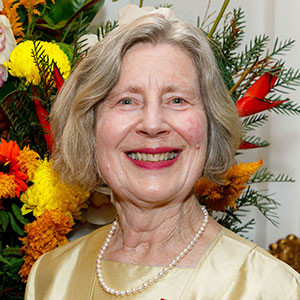
Margot SkinnerNew Zealand
Margot Skinner
CloseNew Zealand
Margot A Skinner is a New Zealand physiotherapist, academic, educator, and professional leader whose career has spanned more than 50 years. Born and educated in Dunedin, New Zealand, she undertook her physiotherapy education from 1971 to 1973 at what was then the New Zealand School of Physiotherapy, now the University of Otago School of Physiotherapy, which later became the base for much of her academic career. Cardiorespiratory physiotherapy has been Margot’s main area of clinical practice, teaching, and research.
In the late 1980s, Margot worked in Hong Kong, where her experience of living and working in another culture and learning a new language helped shape her later work with countries where physiotherapy and physiotherapy education programmes were still developing.
Margot’s philosophy throughout her career has been ‘to give back’, whether through academic, professional or community aspects of her life. She joined the physiotherapy profession as a student member and went on to hold leadership roles at local, national, regional, and global levels.
A major focus of Margot’s work, both locally and globally, has been entry-level competence in physiotherapy practice and the role this plays in protecting public health. She helped initiate and draft World Physiotherapy’s accreditation guidelines and served as the inaugural chair of its accreditation committee. Margot has also worked as a lead consultant supporting the development of entry-level physiotherapy education programmes, particularly in the Asia Western Pacific region, including in Sri Lanka, China, and Vietnam. This included the ADvAncing PhysioTherapy In ViEtnam (ADAPTIVE) Project from 2018 to 2023.
Margot served for eight years as the Asia Western Pacific region’s elected member on the World Physiotherapy executive committee, followed by four years as World Physiotherapy vice president from 2015 to 2019. She has also mentored national physiotherapy organisations across the region as they prepared to apply for World Physiotherapy membership.
Her service and leadership have been recognised through several honours. Physiotherapy New Zealand made her an honorary life member in 2010 and awarded her an honorary fellowship in 2013. In 2023, Margot received World Physiotherapy’s highest honour, the Mildred Elson Award, at the World Physiotherapy Congress in Dubai and in 2025, she was appointed an Officer of the New Zealand Order of Merit (ONZM).
Margot represented World Physiotherapy at the World Health Assembly on two occasions and has contributed to international work examining how entry-level physiotherapy curricula address major global health challenges, including non-communicable diseases and the COVID-19 pandemic. Drawing on policy developed by the World Health Professions Alliance (WHPA), she has also supported the implementation of interprofessional collaborative practice within her own academic environment and its inclusion in World Physiotherapy’s accreditation guidelines.
Advocacy for the role of physiotherapy in improving population health has been an important strand of Margot’s career. She has promoted physiotherapy as a cost-effective health profession that can support health behaviour change and contribute to the prevention and management of non-communicable diseases. Her research and publications have explored areas including physical activity, sleep health, and lifestyle behaviour change.
Margot has drawn on this research throughout her international presentations, forums, lectures, and seminars, consistently advocating for ‘access to physiotherapy for all’ and for the profession’s contribution to improving health outcomes worldwide.
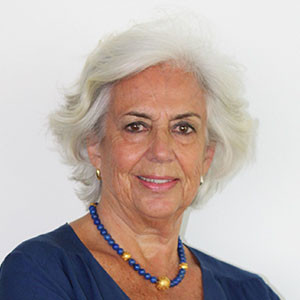
Isabel Souza GuerraPortugal
Isabel Souza Guerra
ClosePortugal
Isabel Souza Guerra completed her physiotherapy education in January 1968 at the Escola de Reabilitação de Alcoitão in Estoril, Portugal. She holds a BSc in physiotherapy and a master’s degree in health services management.
Her clinical, academic, and professional association work developed in parallel throughout her career, with each area complementing and strengthening the others. She maintained a strong commitment to professional development, leadership, education, and the advancement of physiotherapy.
For more than 30 years, Isabel worked in hospital practice and served as physiotherapist director at Egas Moniz Hospital in Lisbon, where she led a highly regarded team of professionals. Her organisational model was recognised by peers and physiotherapy education institutions as pioneering. Her leadership was based on cooperation, professional responsibility, the development of colleagues, and the continuous improvement of patient care.
Alongside her clinical and academic work, Isabel developed a long and significant career in professional association leadership at national and international levels. She served as president of the National Executive Council and president of the Pro-Order Commission of the Portuguese Association of Physiotherapists (APF). She represented Portuguese physiotherapy at World Confederation for Physical Therapy (WCPT) general meetings and initiatives at global and regional levels, served as vice-president of the Ibero-American Association of Physiotherapy and Kinesiology, and was a member of the Education Committee of the International Network of Physiotherapy Regulatory Authorities (INPTRA).
Her professional association work was closely linked to the development of the profession. She co-founded interest groups in obstetrics and gynaecology/women’s health, mobilisation techniques/musculoskeletal physiotherapy, and management in physiotherapy. She also founded and coordinated working groups on standards of physiotherapy practice, quality in physiotherapy units, and integrated continuing care.
Isabel earned the respect and recognition of her peers, as demonstrated by the numerous elected positions she held throughout her career. Her contribution was also recognised beyond the profession. On the 40th anniversary of Portugal’s National Health Service, the Portuguese Association for Hospital Development recognised her as one of the “40 Remarkable Women” who had contributed to its success. She was also presented with the Career Award by the Portuguese Association of Physiotherapists.
One of the most significant achievements of Isabel’s professional association career was her long-standing commitment to establishing the Order of Physiotherapists in Portugal. As president of the APF, she led the process with the Portuguese Parliament and Ministry of Health, dedicating approximately 20 years to the project. She subsequently served as president of the Installing Commission of the Order of Physiotherapists and president of its Jurisdictional Council.
Her academic work developed alongside these activities. She taught management at Escola Superior de Saúde (ESSA) and Escola Superior de Saúde Da Cruz Vermelha Portuguesa (ESSCVP) and participated in the development and delivery of a postgraduate programme in physiotherapy in women’s health at ESSA. She also helped develop the curriculum for the master’s programme in physiotherapy, women’s health branch, serving as its coordinator and as a member of the Scientific Council of ESSA.
Isabel’s career reflects the integration of clinical practice, academic development, and professional leadership. Throughout her career, she has demonstrated a sustained commitment to excellence and quality of care, physiotherapy education, and strengthening the recognition and development of the profession in Portugal.
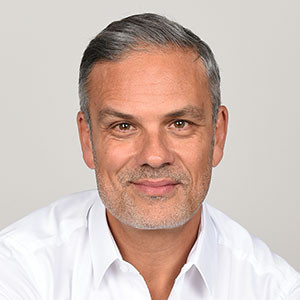
Frédéric SrourFrance
Frédéric Srour
CloseFrance
Frédéric Srour is a French physiotherapist and president of the French Society for Shoulder Rehabilitation (SFRE). Soon after qualifying, Frédéric focused his practice on shoulder disorders, which have remained central to his work ever since. He chose to share with his colleagues the expertise he built up alongside his patients and peers.
Teaching and collaboration with other health professionals have been at the heart of Frédéric's career. He often quotes a motto from one of his mentors, Joël Barthe, a pioneer of respiratory physiotherapy: “Knowledge is only worth something if it is shared.”
Frédéric began teaching in 2008 and, in 2016, founded the conference and training series “L'épaule au TOP” with orthopaedic surgeon Geoffroy Nourissat. The programme brings together physiotherapists, surgeons, rheumatologists, sports physicians, and radiologists to share knowledge and approaches to managing shoulder disorders in France and internationally.
Close to 15,000 physiotherapists have attended Frédéric’s courses in person, with others taking part through conferences and online learning. He also makes a range of patient education resources freely available to physiotherapists, including booklets, posters, and teaching videos.
In 2020, Frédéric founded Kiné au TOP, a postgraduate training organisation aimed at promoting the full scope of physiotherapy practice. He is currently developing, with Professors Jean-David Werthel and Nicolas Bonnevialle, France's first inter-university diploma in shoulder rehabilitation, which he will co-direct.
As an expert for the French National Authority for Health (HAS), he served on working groups and review panels contributing to clinical guidelines, including those on patient pathways following shoulder surgery, the diagnosis and management of rotator cuff tendinopathies, and stroke prevention.
He participated in the redesign of France’s entry-level physiotherapy education programme and in the creation of the Collège de la Masso-Kinésithérapie, the profession’s academic college. He is an author and co-author of scientific articles and reference book chapters, and reviews for several scientific journals.
Clinical reasoning and evidence-based practice are the foundation of all his work.
Frédéric has also held several leadership roles within the profession. He chaired the Paris departmental council of the Order of Physiotherapists and has been an elected member of its National Council since 2014. From 2014 to 2020, he chaired its national ethics and professional conduct committee, of which he remains a member, and in 2020 led work to revise the profession’s code of ethics.
For Frédéric, ethics and education stem from the same requirement. The profession's code of ethics obliges practitioners to maintain their competence and to base their care on current scientific knowledge. It also requires them just as firmly to inform patients, to obtain their consent, to treat every patient without discrimination and to respect their choices. He regards technical competence and respect for the person as obligations of equal rank, and this principle guides both his teaching and his work within the Order.
Frédéric has extended this commitment to education and prevention beyond the profession and into public health. He co-founded M'Ton Dos, a national back pain prevention campaign for children and adolescents, through which physiotherapists across France provided hundreds of free preventive assessments. He was a member of the steering committee of the French National Alliance against Osteoarthritis at its creation and during its first public campaigns.
Frédéric has worked as an ergonomics consultant since 2000. In 2016, he published Même pas mal !, an illustrated book challenging common misconceptions about pain and encouraging movement and activity.
Aimée StewartSouth Africa
Aimée Stewart
CloseSouth Africa
Aimée Stewart graduated from the University of the Witwatersrand (Wits) as a physiotherapist in 1968 and worked clinically at Johannesburg Hospital until 1973, when she began her long association with the Wits Physiotherapy Department. She taught there from 1973 to 1986, completing a Diploma in Physiotherapy Education in 1975, before joining the Johannesburg City Health Department’s Cardiac Rehabilitation Unit to run its rehabilitation programme. She returned to Wits in 1991 and has remained involved with the department since, including after her formal retirement in 2012.
At Wits, Aimée played a foundational role in developing the undergraduate curriculum, laying the groundwork for its transition to a structured, outcomes-based approach. After completing her MSc in 1992, she became increasingly involved in postgraduate supervision and was appointed postgraduate and research coordinator in 2003. That year, she was also awarded her PhD for research into the management of hypertension.
In 2007, Aimée secured a National Research Foundation (NRF) niche grant on chronic disease and disability, supporting the development of physiotherapy research and infrastructure at Wits, including a Movement Laboratory. She became an NRF-rated scientist in 2008. Over two decades, she helped establish a strong research culture within the department and has supervised 25 PhD and 41 MSc candidates across several disciplines. Many of her mentees have progressed to leadership roles in academia, clinical practice, and management across Africa. She has authored more than 150 peer-reviewed publications.
From 2004 to 2010, Aimée was a consultant to the Kigali Health Institute in Rwanda, contributing to the development of an undergraduate programme for what is now the University of Rwanda Physiotherapy Department. In 2012, she received the World Physiotherapy Africa region Service Award, recognising her service to the profession and mentorship of physiotherapists in Africa. She had previously received South Africa’s Distinguished Women in Science – Social Science and Humanities award in 2011.
Aimée chaired the committee responsible for the scientific programme of the 2015 World Physiotherapy Congress in Singapore, introducing new approaches to knowledge exchange. She has also served on the World Physiotherapy accreditation committee and, since 2019, has participated in the accreditation of physiotherapy programmes internationally.
From 2017 to 2023, Aimée was editor-in-chief of the South African Journal of Physiotherapy, during which it achieved indexing in Web of Science and Scopus. She is currently editor-in-chief of the African Journal of Disability. In 2022, Wits awarded her its University Gold Medal for distinguished service to society or the university.
Through her editorial work and continued involvement with the Wits Physiotherapy Department, Aimée remains committed to mentoring emerging researchers and supporting the development of physiotherapy scholarship.
Emma StokesIreland
Emma Stokes
CloseIreland
Emma K. Stokes qualified as a physiotherapist from Trinity College Dublin in 1990. From early in her career, she was an active member of the Irish Society of Chartered Physiotherapists (ISCP).
She served as president of World Physiotherapy from 2015 to 2023, having previously served as vice president from 2011 to 2015. During her presidency, she helped strengthen the profession’s voice in global health, including through advocacy for rehabilitation and involvement in the establishment of the Global Rehabilitation Alliance, which brought international organisations together to support the World Health Organization’s rehabilitation 2030 agenda.
She also led international work to support physiotherapist education during the COVID-19 pandemic, bringing together education networks from around the world to share evidence, experience, and guidance at a time of unprecedented disruption.
Between 2018 and 2021 she led the establishment of the Department of Physical Therapy at Qatar University and its foundation programme. This work contributed to the development of physiotherapy education and workforce capacity in Qatar, supporting the growth of locally educated physiotherapists and the profession within the country’s health system.
She was elected as a Fellow of Trinity College Dublin in 2012 and is also a fellow of the Irish Society of Chartered Physiotherapists. Her work with the ISCP included supporting the profession’s preparations for the introduction of statutory regulation in Ireland, contributing to a significant period of change in professional governance and practice.
She worked in the academic department of physiotherapy at Trinity College Dublin for 30 years, serving as vice president for global engagement from 2021 to 2026. Her academic and professional work has had an international reach, and she has taught and lectured in more than 40 countries, contributing to the development of leadership and professional practice across the global physiotherapy community.
In October 2026, she became president of National College of Ireland.
Tetsuya TakahashiJapan
Tetsuya Takahashi
CloseJapan
Tetsuya Takahashi is a Japanese physiotherapist, academic, researcher, and professional leader whose career has focused on cardiovascular and critical care physiotherapy. Tetsuya has devoted his career to advancing physiotherapy in cardiovascular and critical care, integrating clinical practice, research, education, and professional leadership.
Tetsuya is professor and chair of the Department of Physical Therapy in the Faculty of Health Science at Juntendo University, as well as a professor in the Graduate School of Health and Sports Science. He also serves as vice president of the Japanese Physical Therapy Association (JPTA).
Tetsuya began his career as a physiotherapist in acute hospital care before developing his expertise in cardiovascular rehabilitation at major cardiovascular centres in Japan. His clinical experience shaped a longstanding commitment to improving outcomes for people with cardiovascular disease, particularly older adults and critically ill patients.
His research focuses on cardiac rehabilitation, physical function, frailty, and prognosis in older people with heart failure and other cardiovascular diseases. Tetsuya has led and contributed to large multicentre studies in Japan, including research involving more than 10,000 older people hospitalised with heart failure.
His work has demonstrated the importance of physical function and activities of daily living as prognostic indicators, helping broaden cardiovascular care beyond traditional measures of cardiac function and disease severity. More recently, his research has incorporated machine learning and digital technologies to develop more individualised approaches to risk assessment and rehabilitation.
Tetsuya has also contributed to the development of critical care physiotherapy in Japan. Through his work with the Japanese Society of Intensive Care Medicine, he has been involved in establishing and developing a professional certification system for physiotherapists working in intensive care. He has promoted the role of physiotherapists in early mobilisation, preventing functional decline, and supporting recovery after critical illness.
Alongside his academic and clinical work, Tetsuya has played an active role in professional leadership. As vice president of the JPTA, he contributes to initiatives relating to digital transformation and artificial intelligence, the development of new areas of physiotherapy practice, and national health policy. He has also worked across professional and disciplinary boundaries to strengthen the recognition and contribution of physiotherapy within Japan’s healthcare system.
Education and mentorship have been central to Tetsuya’s career. He has trained and supervised undergraduate, master’s, and doctoral students, as well as physiotherapists pursuing clinical and academic careers. His approach emphasises connecting scientific evidence with clinical practice while preparing the next generation of physiotherapists to respond to changing health and societal needs.
Through his work in cardiovascular and critical care physiotherapy, research, education, and professional leadership, Tetsuya continues to promote physiotherapy as an essential component of healthcare and to contribute to its development in Japan and internationally.
Rodrigo Torres Castro
Close
Chile
Rodrigo Torres Castro is a Chilean physiotherapist whose clinical, academic, and research work over the past two decades has helped shape respiratory physiotherapy practice in Latin America and internationally. He is associate professor of the Department of Physical Therapy, Faculty of Medicine, Universidad de Chile, where he has taught since 2012, and researcher at the Pulmonology Service at Hospital Clínic de Barcelona, Spain - a role he has held since 2018. Combining clinical research with university teaching has supported his longstanding focus on bridging the gap between research evidence and respiratory care.
Rodrigo graduated as a physiotherapist from Universidad de Chile with the highest distinction and later completed a master’s degree in clinical research in respiratory medicine at Universidad de Barcelona. He is currently completing a PhD in medicine at Universidad de Barcelona and holds specialist accreditation in Chest Physiotherapy, Pathophysiology and Pulmonary Function.
He has authored more than 200 peer-reviewed publications, placing him among the physiotherapists with the highest publication output in the world in recent years. His research spans respiratory muscle assessment and training, functional capacity testing, chronic respiratory diseases, chronic obstructive pulmonary disease, interstitial lung disease, pulmonary hypertension, neuromuscular respiratory disease and post-COVID-19 recovery.
He has played a leading role in developing population-specific reference values for maximal respiratory pressures and sit-to-stand tests across Latin America, addressing gaps in locally validated normative data for clinicians in the region. He also currently serves as associate editor of Frontiers in Medicine.
At Universidad de Chile, he coordinates the master’s programme in Human Movement Sciences, teaches undergraduate and postgraduate courses in respiratory care, and directs specialist training programmes. He has delivered more than 200 conferences and lectures at congresses and academic institutions in over 20 countries. He has authored and edited books and book chapters on chest physiotherapy, trained more than 5,000 healthcare professionals in pulmonary function assessment across Chile’s primary care network, and mentored physiotherapy researchers from several Latin American countries.
His professional leadership has helped translate research and clinical expertise into policy and professional standards. He has served twice as director of the Department of Respiratory Care of the Latin American Thoracic Association (ALAT) and has held leadership roles within the Chilean Society of Chest Physiotherapy (SOCHIKIR), including serving as president. In Chile, he acted as technical advisor to the National Board for the Accreditation of Specialist Kinesiologists (DENAKE) in defining national specialty standards and contributed to the Ministry of Health’s technical guideline on chronic respiratory diseases.
His research has received competitive funding from Chile’s National Research and Development Agency (ANID), the National Academy of Medicine of the United States, and the European Union. His work has also been recognised with national and international distinctions, including the National Kinesiology Award, ‘Professor Luis Bisquertt Susarte’, granted by the College of Physiotherapists of Chile in recognition of his career and its impact beyond Chile.
His legacy is reflected not only in his research and professional leadership, but also in the clinicians and researchers he has trained and mentored across Latin America, helping strengthen respiratory physiotherapy as an evidence-based and internationally connected area of practice.
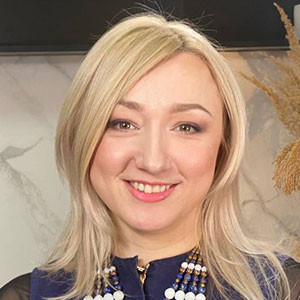
Kateryna Tymruk-SkoropadUkraine
Kateryna Tymruk-Skoropad
CloseUkraine
Kateryna Tymruk-Skoropad is a Ukrainian physiotherapist, researcher, and professor whose work spans research, health policy, rehabilitation services, and education. Born in Lviv, Ukraine, where she studied and developed her career, she is a co-founder and board member of the Ukrainian Physical Therapists Association.
Kateryna began her research career in 2003. Her main areas of interest include respiratory physiotherapy and pulmonary rehabilitation, the validation and implementation of assessment tools, rehabilitation pathways, and workforce development. She coordinates the Ukrainian adaptation and validation of the Chelsea Critical Care Physical Assessment and led the team that translated and validated the World Health Organization Disability Assessment Schedule 2.0 (WHODAS 2.0).
She has contributed to the Physiotherapy Provision and Practice: A European Intensive Care Unit (ICU) survey (PEAiCE) and is research lead for Ukraine in RehabPath-UA, a study of rehabilitation pathways in acute and critical illness involving the Patients of Ukraine Charitable Foundation, the Swiss Tropical and Public Health Institute, Coventry University, and the Health Sciences Research Foundation (HSRF).
Her academic career has developed alongside her research. Kateryna has worked in formal education since 2006, teaching the clinical and rehabilitation management of cardiorespiratory conditions, cardiorespiratory assessment, and supervising clinical placements in pulmonology. She leads the doctoral programme in physiotherapy at the Ivan Boberskyi Lviv State University of Physical Culture and has supervised three doctoral graduates.
Kateryna has contributed to the development of physiotherapy education more widely in Ukraine. She worked on the Erasmus+ REHAB programme introducing new master’s programmes, coordinated the university’s cooperation with Physiopedia, and co-authored textbooks on therapeutic exercise and evidence-informed practice, as well as a rehabilitation chapter in a manual for general practitioners. Through a WHO-supported project, she led work to strengthen university curricula in ICU physiotherapy and paediatrics.
Her policy work has focused on strengthening the foundations of rehabilitation in Ukraine. Kateryna contributed to the 2020 Law on Rehabilitation in Healthcare and, through the Ministry of Health’s rehabilitation working group, helped develop national regulations governing physiotherapy. In 2026, she advised the World Bank and Ukraine’s Ministry of Social Policy on the national expansion of assessments based on the ICF and WHODAS 2.0, used to understand people’s functioning and support needs.
Kateryna has also played a role in developing rehabilitation services and professional standards. She contributed to Ukraine’s first national standard of rehabilitation care for COVID-19 and has worked with Ukrainian and international colleagues to develop physiotherapy in intensive care, paediatrics, war trauma, and cancer rehabilitation. This has included developing competency frameworks and training programmes, organising clinical placements, and using research evidence to support changes in practice. Her work in ICU physiotherapy has combined assessment-tool validation, research into current practice, workforce competencies, and professional training.
Following Russia’s invasion of Ukraine in 2022, Kateryna joined the Rehabilitation of War Trauma in Ukraine initiative as an expert in rehabilitation development, with a particular focus on workforce education and continuing professional development. She was instrumental in developing the idea for four national congresses on physiotherapy and served on their organising committees. The leadership school “Physiotherapists of the Future”, aimed at early-career physiotherapists, was also developed from her original concept. Her work continues to focus on sustainable professional development, curriculum design, and the preparation of future educators.
In 2024, Kateryna co-founded the Health Sciences Research Foundation, which supports research, knowledge translation, and interdisciplinary collaboration, The foundation hosts the Cochrane Ukraine Group, which has now been established and is led by Kateryna.
Throughout her career, Kateryna has focused on building the research, education, and professional infrastructure needed to strengthen physiotherapy and rehabilitation in Ukraine. Her work has placed particular emphasis on developing the workforce, supporting evidence-informed practice, and creating stronger links between research, education, policy, and clinical services.
Kateryna says: ‘Rehabilitation in Ukraine today is the country’s responsibility, and the people defending it. Nothing that has been achieved would have been possible without the community; Ukrainian colleagues working in extraordinary conditions, and international colleagues who were with us from the first days of the invasion. We aim not only to strengthen the national system, but to represent Ukraine internationally, because our experience is of value to the whole profession, and sharing it is our responsibility too.’
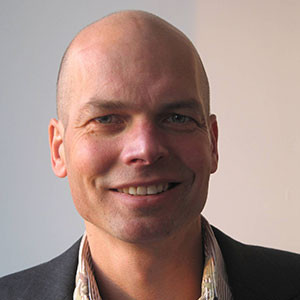
Philip van der WeesNetherlands
Philip van der Wees
CloseNetherlands
Philip van der Wees is a physiotherapist and professor of Allied Health Sciences at Radboud University Medical Center in the Netherlands. His work focuses on quality improvement, implementation of allied healthcare within interprofessional networks, and the evaluation of new technologies and treatment strategies.
He coordinates the research programme Value Based Network Care, which evaluates value-based healthcare across interdisciplinary networks of health professionals. His wider research and teaching focus on implementation science, quality improvement, and the evaluation of healthcare quality, with particular emphasis on patient-reported outcomes.
A significant part of Philip’s career has focused on the development and implementation of clinical guidelines. He is associate editor of the Physical Therapy & Rehabilitation Journal and chair of the Dutch Guidelines Network. From 2010 to 2012, he chaired the Guidelines International Network (GIN), and for many years was the GIN representative for the World Physiotherapy Europe region. He also chaired GIN’s Allied Health Community.
From 1996 to 2011, Philip worked at the Royal Dutch Society for Physiotherapy (KNGF), first as head of quality, research and education, and later as manager of strategy and development. In these roles, he was responsible for delivering the organisation’s quality assurance programme for physiotherapists, including the development and implementation of clinical guidelines.
Philip was also closely involved with the World Physiotherapy Europe region for more than a decade. From 2000 to 2011, he served on its Professional Issues Working Group, supporting the development and implementation of clinical guidelines across the region. Through this role, Philip became principal investigator for Staying Clean, an EU-funded project initiated by the World Physiotherapy Europe region to develop and implement a guided exercise programme to support smoking cessation.
In 2011, Philip was selected for the Commonwealth Fund Harkness Fellowship in Health Care Policy and Practice, taking his work in healthcare quality and implementation into a broader health policy context. During the fellowship, he worked at Harvard Medical School in Boston from 2011 to 2013, studying the impact of healthcare reform in Massachusetts.
From 2017 to 2025, Philip was adjunct research professor at the School of Medicine and Health Sciences at George Washington University. He contributed to the PhD programme in Translational Health Sciences through research, teaching, and supervision, with a particular focus on building a research infrastructure in implementation science. One outcome of this collaboration was the establishment of the International Network for Activating Learning Health Systems (INACT-LHS), which aims to provide guidance and tools to support the development and implementation of learning health systems.
Throughout his career, Philip has combined research, professional practice, and healthcare improvement to strengthen evidence-informed physiotherapy and allied healthcare. His work in clinical guideline development, implementation science, quality assurance, and international collaboration has helped improve how research and evidence are translated into practice.
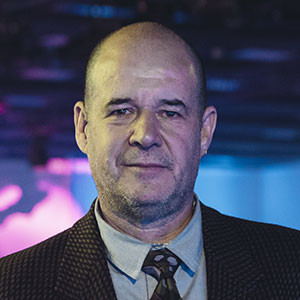
Daniel Wappenstein Deller Ecuador
Daniel Wappenstein Deller
CloseEcuador
Daniel Hermes Wappenstein Deller is an Ecuador-based physiotherapist, educator, researcher, and health and humanitarian project leader whose career has spanned physiotherapy, rehabilitation, public health, and the social sciences.
Daniel graduated in kinesiology and physiatry from the University of Buenos Aires and later completed a master’s degree in epidemiology and public health at the Andean Simón Bolívar University and postgraduate study in social sciences and health at the Latin American Faculty of Social Sciences.
Much of his academic career has been based at the Pontifical Catholic University of Ecuador, where he has held teaching and coordinator roles in physiotherapy. His areas of work have included proprioceptive neuromuscular facilitation, disability, management of rehabilitation services, community-based rehabilitation, and the education of health professionals. He has also contributed to continuing professional development activities focused on a broader understanding of the body, care, and health.
In 2000, he founded KINETIKO in Quito, a centre focused on physiotherapy, rehabilitation, and preventive health. Through KINETIKO, he has developed an approach combining technical and scientific knowledge with personalised care, alongside prevention activities, training, consultancy, and research.
A major part of his career has been dedicated to humanitarian service. Following the earthquake that struck Ecuador on 16 April 2016, he led and coordinated the Humanitarian Health Support Ecuador 16A project. The initiative mobilised health professionals and volunteers to support affected communities, particularly in the provinces of Manabí and Esmeraldas, and enabled healthcare brigades and longer-term support to continue beyond the immediate emergency response.
His humanitarian work has also extended beyond Ecuador, including involvement in responses to natural disasters in Colombia and Guatemala. In recognition of this contribution to communities affected by emergencies and disasters, World Physiotherapy awarded him its Humanitarian Service Award in 2019.
He has also held professional leadership roles, including serving as president of the Ecuadorian Society of Physiotherapy. He now works through the Kinetiko Foundation, where he continues to support and develop social and humanitarian initiatives.
Throughout his career, Daniel has promoted a broad view of physiotherapy that brings together clinical care, education, research, prevention, social responsibility, and community engagement. His work reflects a longstanding commitment to using physiotherapy to respond to the needs of individuals and communities.
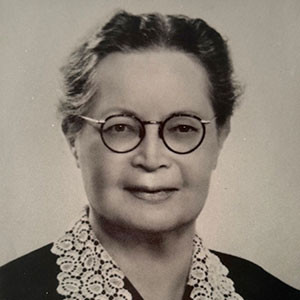
Aina WilskmanFinland
Aina Wilskman
CloseFinland
Aina Wilskman (1888–1965) was a pioneer of Finnish physiotherapy, then known as medical gymnastics, whose work played a major role in the emergence and establishment of the profession in Finland. After graduating as a medical gymnast in Sweden in 1911, she dedicated her career to advancing physiotherapy education, professional organisation, and rehabilitation services.
Aina was instrumental in building the professional identity of Finnish physiotherapists. During the Continuation War, she initiated and convened the meeting that led to the founding of the Finnish Association of Medical Gymnasts (Suomen Lääkintävoimistelijain Yhdistys – Finlands Medikalgymnasternas Förening) on 6 March 1943 and served as its chair from 1943 to 1953. The organisation became the foundation of today’s Finnish Association of Physiotherapists and of professional advocacy for the field. At a time when the profession was still young and rehabilitation needs after the war were immense, her leadership helped strengthen professional identity, protect educational standards, and advance physiotherapy as a healthcare profession.
Aina also made a lasting contribution to education. She taught on the university-level medical gymnastics programme from 1926 until its closure in 1942, when she became a key advocate for the restoration of professional education. These efforts led to the establishment of the Medical Gymnastics Institute of the Invalid Foundation in 1945.
As the institute’s director and educational leader from 1945 to 1957, Aina developed curricula combining theory with clinical practice and trained a generation of practitioners who helped lay the foundations of modern Finnish physiotherapy. The institute responded directly to the rehabilitation needs of war veterans, people with disabilities, and people living with chronic conditions.
At a time when physiotherapy was not yet widely recognised within the medical community and many hospitals and institutions did not employ physiotherapists, Aina worked actively to create employment opportunities for graduates. She worked with healthcare employers to establish rehabilitation services, helping demonstrate the value of physiotherapy within healthcare and creating new opportunities for the profession across Finland.
She promoted medical gymnastics as an integral part of medical rehabilitation rather than solely as a form of exercise. This approach helped embed physiotherapy within the wider healthcare system and supported the development of both professional education and clinical practice.
Aina was also a pioneer in international collaboration. In the late 1940s, she initiated the Finnish Association’s involvement in Nordic cooperation between physiotherapists. This led to the first joint Nordic congress, held in Helsinki in 1951. Later that year, Aina represented Finland at the founding meeting of World Physiotherapy, then World Confederation for Physical Therapy (WCPT), in Copenhagen, after the Finnish Association of Medical Gymnasts unanimously supported joining the new international organisation.
Through her leadership, vision, and dedication to education, professional organisation, rehabilitation services, and international collaboration, Aina helped shape physiotherapy into a recognised profession and an established part of healthcare in Finland. Her legacy continues to be reflected in physiotherapy education, professional advocacy, and rehabilitation services today.
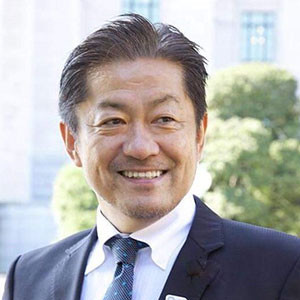
Kazuyuki YamaguchiJapan
Kazuyuki Yamaguchi
CloseJapan
Kazuyuki Yamaguchi became a physiotherapist in Japan in 1982, inspired by his father, one of the 183 physiotherapists who passed Japan’s first national physiotherapy examination in 1966 and a founding member of the Japanese Physical Therapy Association (JPTA). From his father, Yamaguchi inherited not only a profession, but a lifelong principle: never give up on human potential.
His clinical career began in a rehabilitation hospital. In 1988, while working in a stroke-specialist hospital, he encountered many patients who had become bedridden. As adjustable beds were expensive and hard to source, he began lowering ordinary hospital beds by cutting their legs, enabling patients to get up and move independently. Initially opposed by many nurses, the approach gained acceptance as more patients began walking. This experience shaped his conviction that “changing the environment can change what people are able to do”.
Yamaguchi came to believe that rehabilitation should not end at the hospital door. He helped establish facilities supporting people’s return to community life after discharge and created a workplace for people with acquired disabilities. His vision expanded the role of physiotherapy beyond treatment to supporting independent living, work, and social participation.
After observing early rehabilitation in the United States in 1988, he promoted earlier rehabilitation in Japan. From the late 1990s, he developed and implemented programmes for older people to promote functional independence and preventive care, while advocating closer collaboration between healthcare and long-term care. He challenged the idea that inactivity and disuse were “created disabilities” and promoted physiotherapy as a means of preventing functional decline and maintaining participation throughout life.
For four decades Yamaguchi provided professional leadership, serving as president of the Fukushima Physical Therapy Association, president of the Tohoku Block, and a director of JPTA. He was also a founding member of the Japanese Physical Therapy Federation in 2004, recognising the need for a stronger professional voice in public policy.
In 2009, Yamaguchi became Japan’s first physiotherapist elected to the national parliament. He brought the perspective of physiotherapy and rehabilitation into national policy, advocating improved access to rehabilitation, stronger community support, health equity, and continuity of care from prevention and acute treatment through to recovery, daily life, and social participation. He promoted a shift from care that compensates for what people cannot do toward independence, prevention, and functional improvement. His policy advocacy contributed to this direction being articulated at the Japanese government’s Future Investment Council in 2016.
Following the 2011 Great East Japan Earthquake, he worked to expand community-based home rehabilitation through special regulatory measures. He also contributed to the development of Japan’s Basic Act on Cardiovascular Disease and Stroke, enacted in 2018, which strengthened recognition of rehabilitation from prevention through to recovery and social reintegration.
Yamaguchi subsequently helped connect Japan’s experience in rehabilitation and long-term care with Asia, contributing to the foundations of the Japanese government’s Asia Health and Wellbeing Initiative and promoting international collaboration.
His contribution reflects a broader vision of physiotherapy: not only restoring function, but creating conditions in which people can live, participate, and realise their potential. His lifelong mission remains to never give up on human potential and to bring physiotherapy from the clinical setting into communities, public policy, and society.
Yamaguchi now seeks to position Japan as a global leader in physiotherapy and to share a model integrating healthcare, long-term care, education, research, innovation, and industry — the infrastructure of life — with an ageing world.