World Physiotherapy and the Portuguese Order of Physiotherapists joined colleagues in Angola from 4–9 October 2026 to explore opportunities to strengthen physiotherapy education, professional development, and clinical practice.
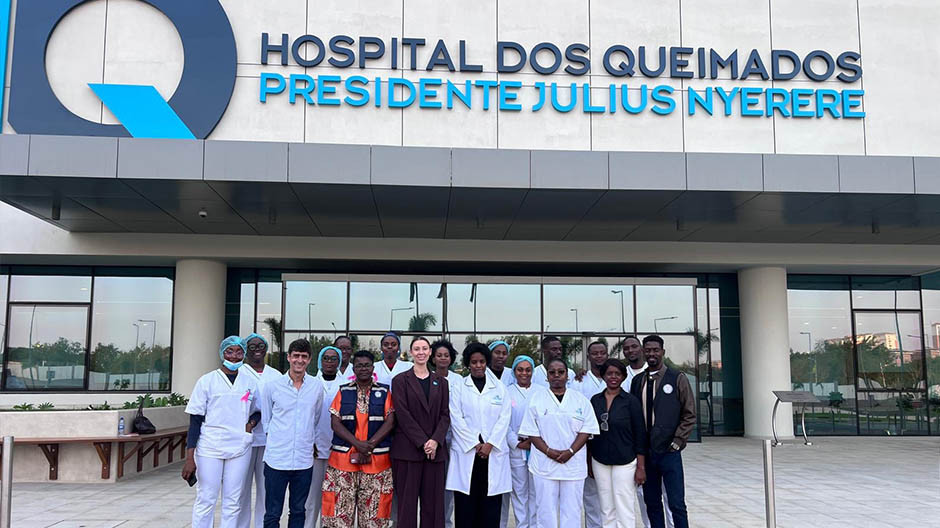
Hosted by the National Association of Physiotherapists of Angola (ANFA), the visit brought together representatives from universities, hospitals, rehabilitation services, and the commission working to establish the Angolan Order of Physiotherapists.
The delegation included Elizabeth Anderson, representing World Physiotherapy, and Marco Clemente, representing the Portuguese Order of Physiotherapists. The visit formed part of ongoing collaboration with physiotherapy organisations in Portuguese-speaking African countries.
Building university partnerships
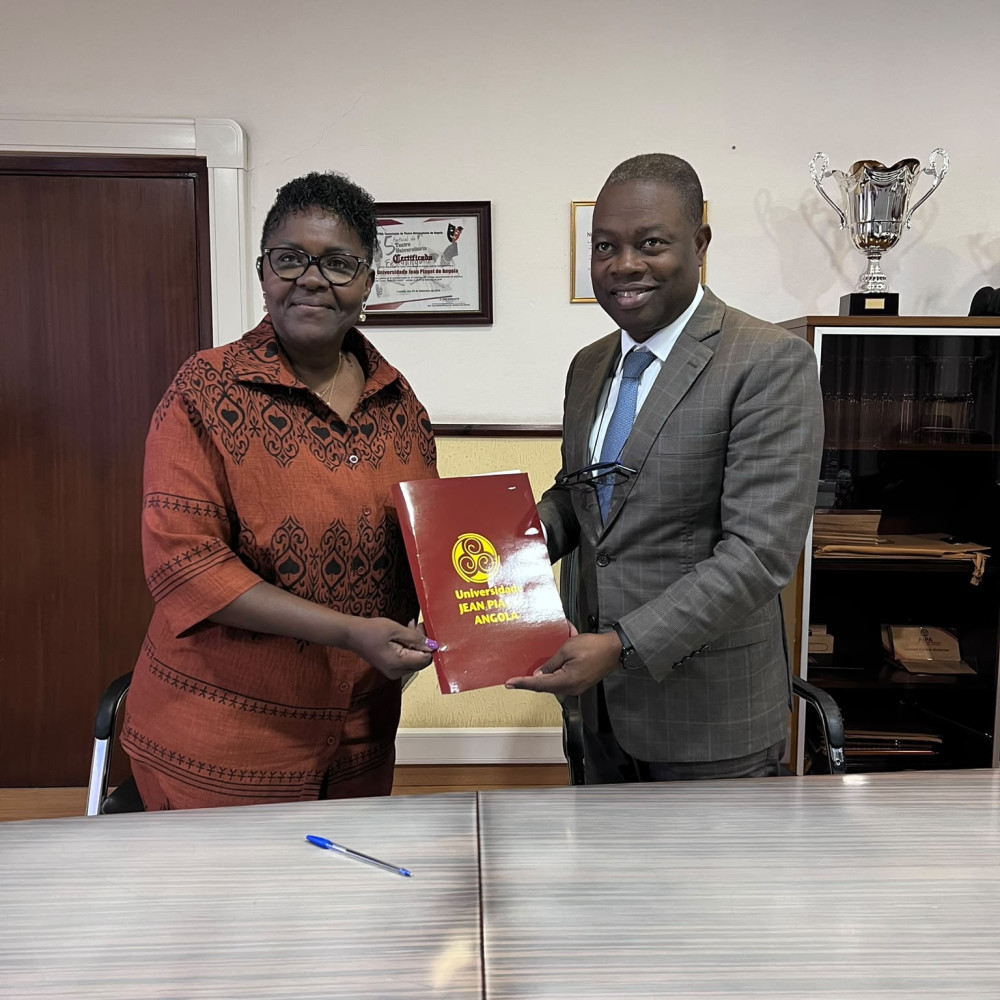
A key outcome was the signing of a partnership protocol between ANFA and Jean Piaget University, providing a foundation for future collaboration.
The University of Luanda and ANFA also agreed to establish a partnership, with formalisation and signature to follow. Discussions included opportunities for professional input into curriculum review as the university prepares a proposed public physiotherapy programme, subject to ministerial approval.
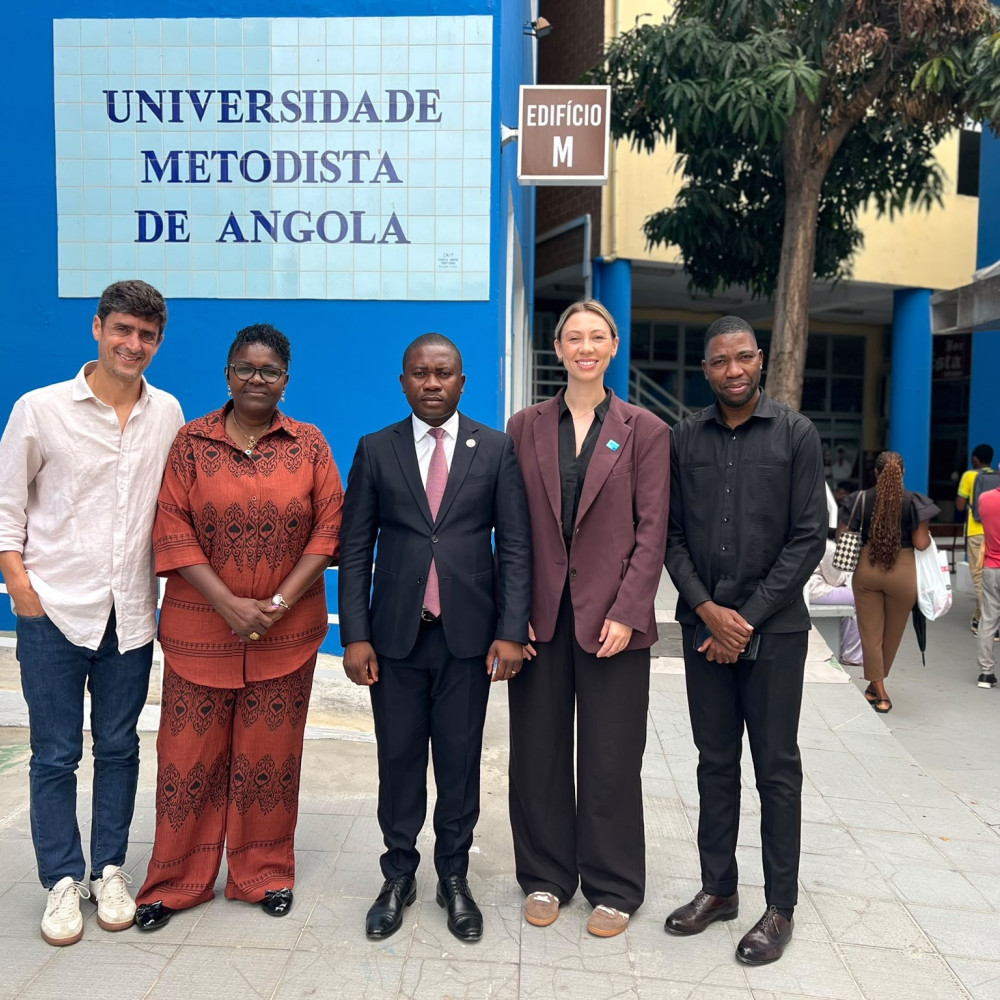
Meetings with Metodista, Jean Piaget, Universidade Privada de Angola, and Belas universities explored opportunities to strengthen teaching, clinical placements, research, and international collaboration.
Discussions with the Institute for Health specialisation highlighted the importance of involving physiotherapists in developing specialist training opportunities in Angola. This would help ensure that training is sustainable, responds to health system needs, and benefits more communities.
Across these discussions, developing postgraduate education and specialist training, increasing research opportunities and ensuring entry-level physiotherapy education responds to clinical needs emerged as shared priorities.
Connecting education and practice
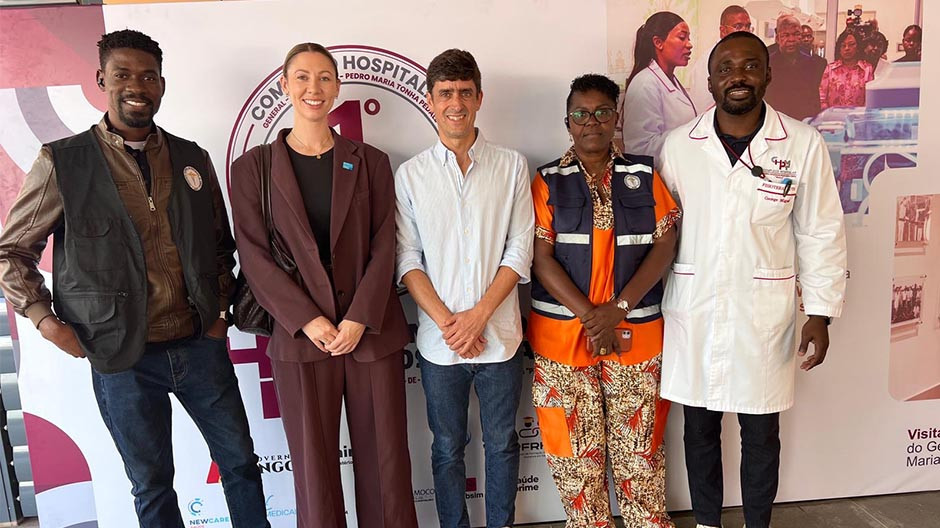
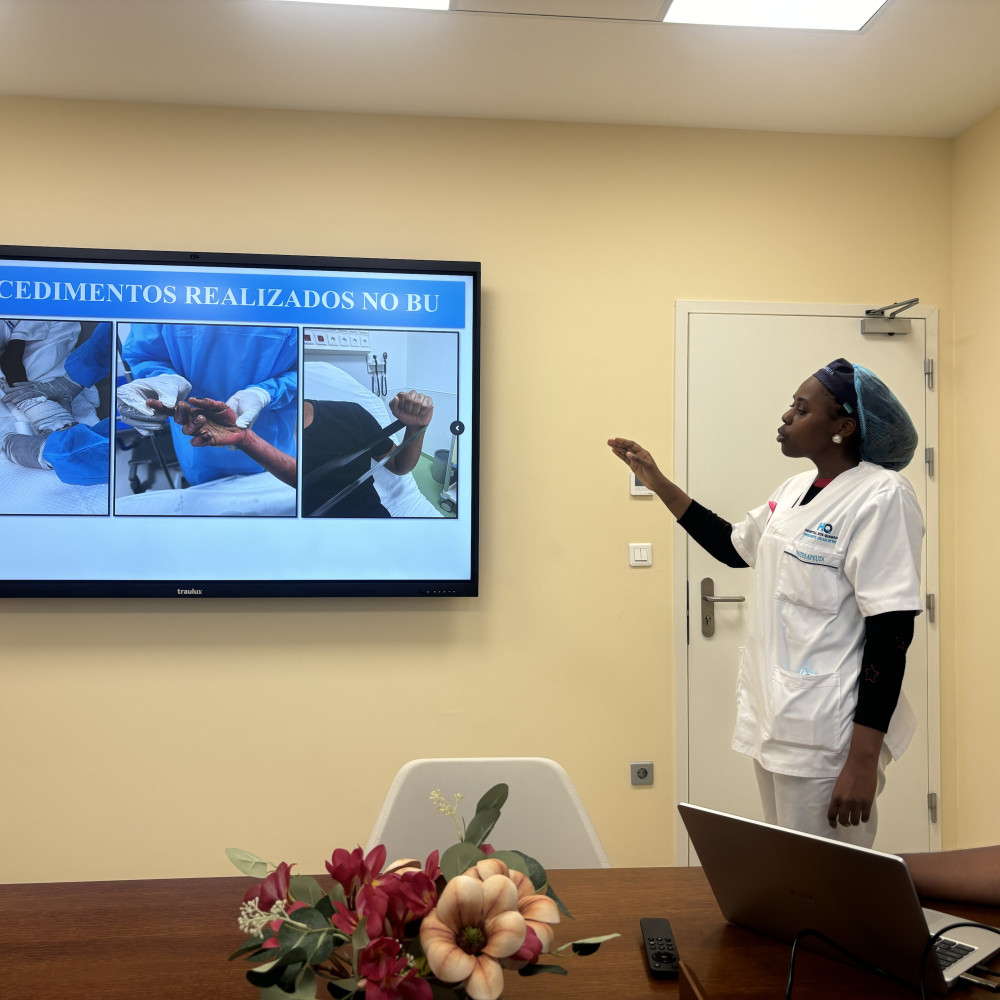
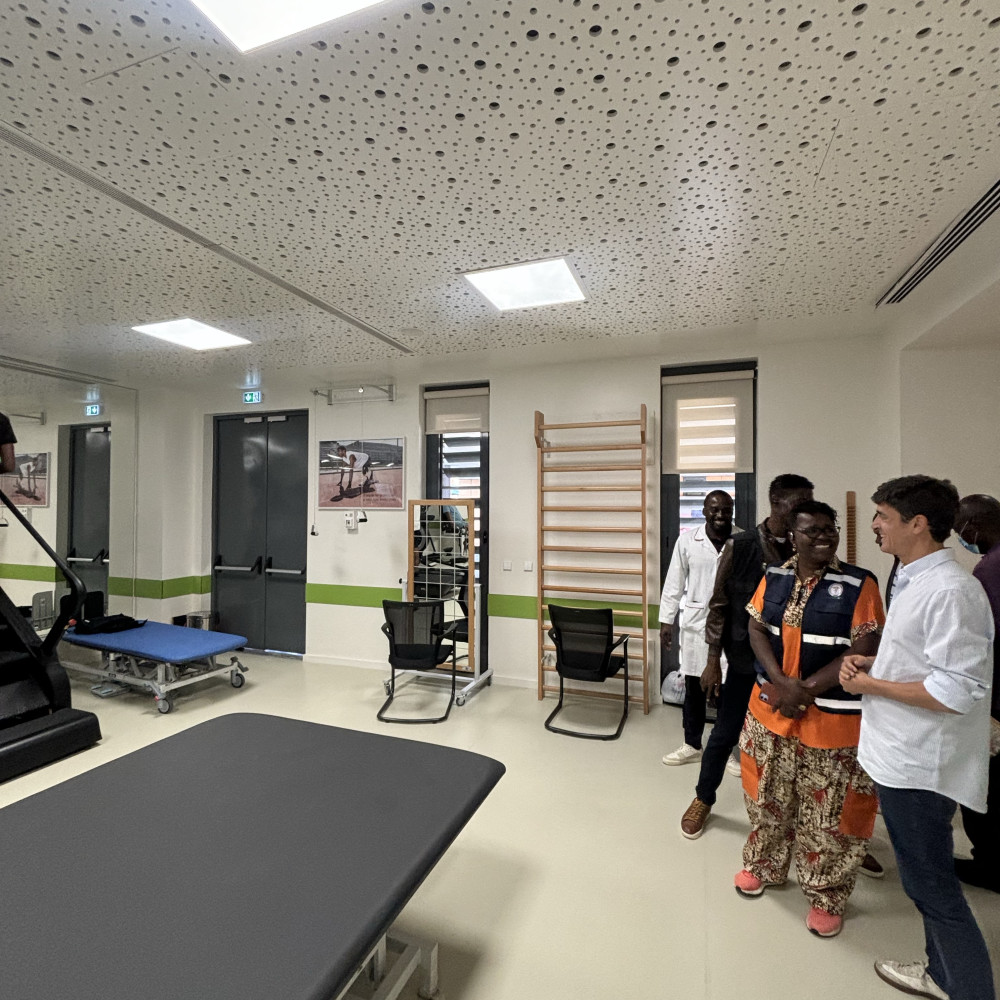
Visits to hospitals and rehabilitation services highlighted physiotherapists’ contributions across a range of clinical areas including intensive care, neurology, orthopaedics, oncology, burns, and cardiorespiratory care.
Discussions focused on how further education, supervision, and collaboration could support physiotherapists to apply new knowledge in their services and share learning with colleagues.
Potential next steps include further steps to support post-graduate specialisation courses, supporting the development of the entry-level curriculum at the University of Luanda, and a cardiorespiratory community of practice. These proposals remain subject to agreement, resources and relevant approvals.
Potential next steps include supporting the development of postgraduate specialisation courses, contributing to the proposed entry-level physiotherapy curriculum at the University of Luanda, and exploring the establishment of a cardiorespiratory community of practice. These proposals remain subject to agreement, available resources, and relevant approvals.
Supporting professional development
The delegation also contributed to discussions about the complementary roles of ANFA and the emerging professional Order, including professional recognition, regulation, and continuing professional development.
The visit highlighted opportunities to build on existing Angolan expertise and partnerships, with local leadership central to ensuring sustainable progress.
As the host and World Physiotherapy's member organisation in Angola, ANFA played a central role in bringing together representatives from universities, hospitals, rehabilitation services, and government bodies. This helped strengthen relationships and identify shared priorities for physiotherapy education and practice in Angola.
ANFA’s leadership will be important as Angolan partners agree how to take this work forward. The visit forms part of a wider initiative to strengthen the participation of Portuguese-speaking countries in World Physiotherapy’s Africa region. Partnerships with the Portuguese Order of Physiotherapists and colleagues in other Portuguese-speaking countries can help reduce language barriers by creating more opportunities to share resources, exchange expertise, and learn together in Portuguese.
This collaboration can support physiotherapists in Portuguese-speaking African countries to participate more fully in regional discussions and contribute to shape priorities for the profession.