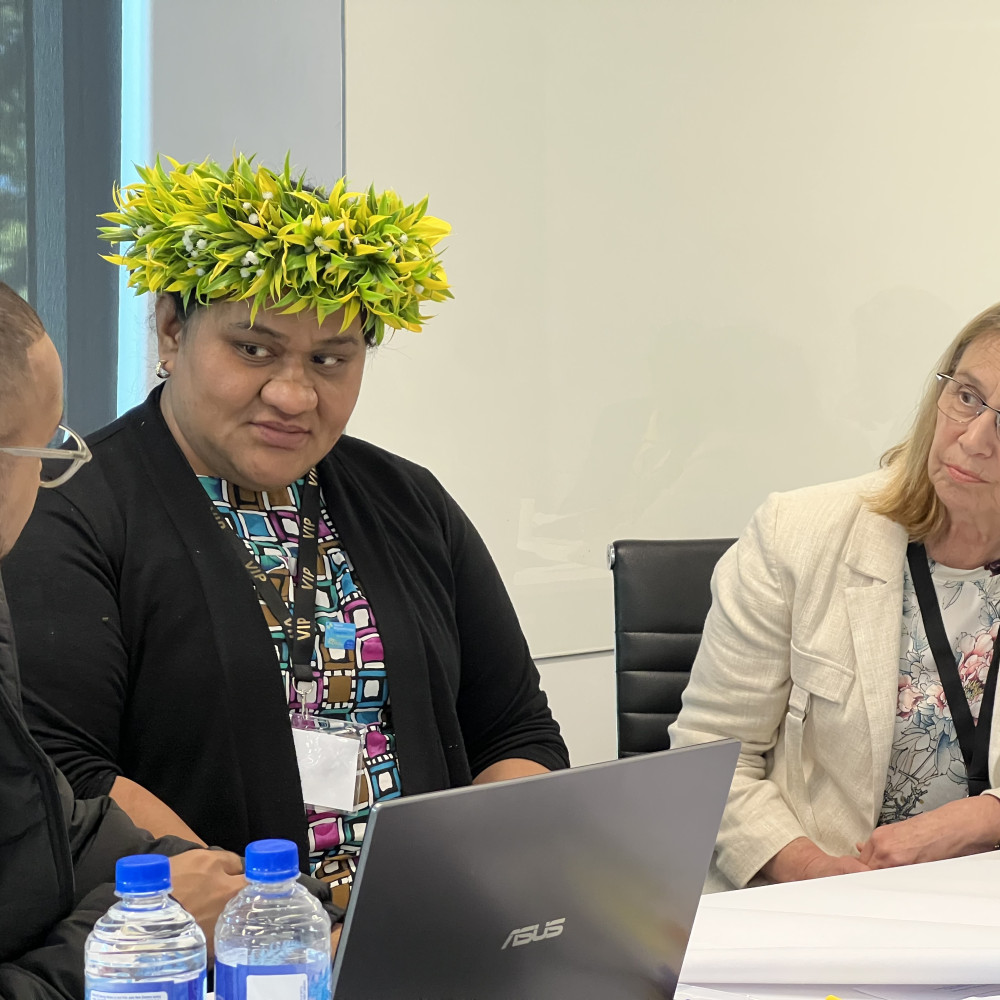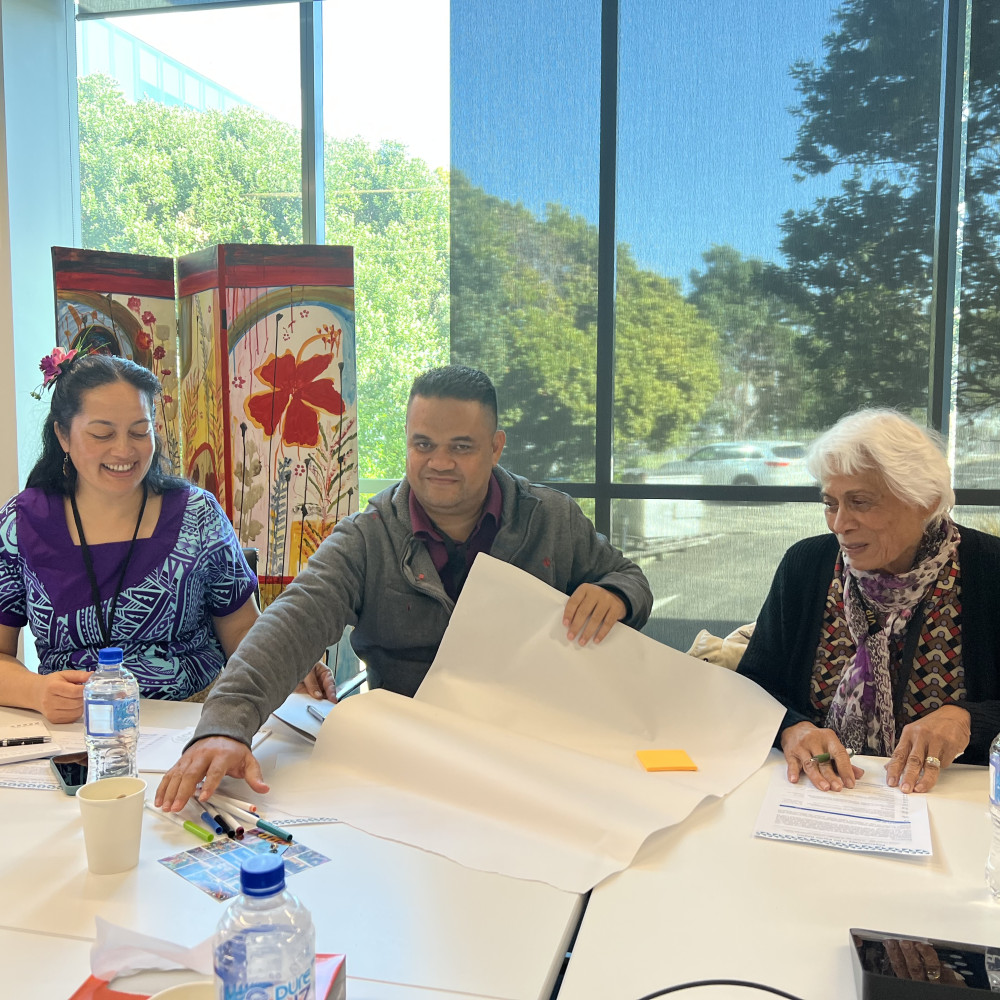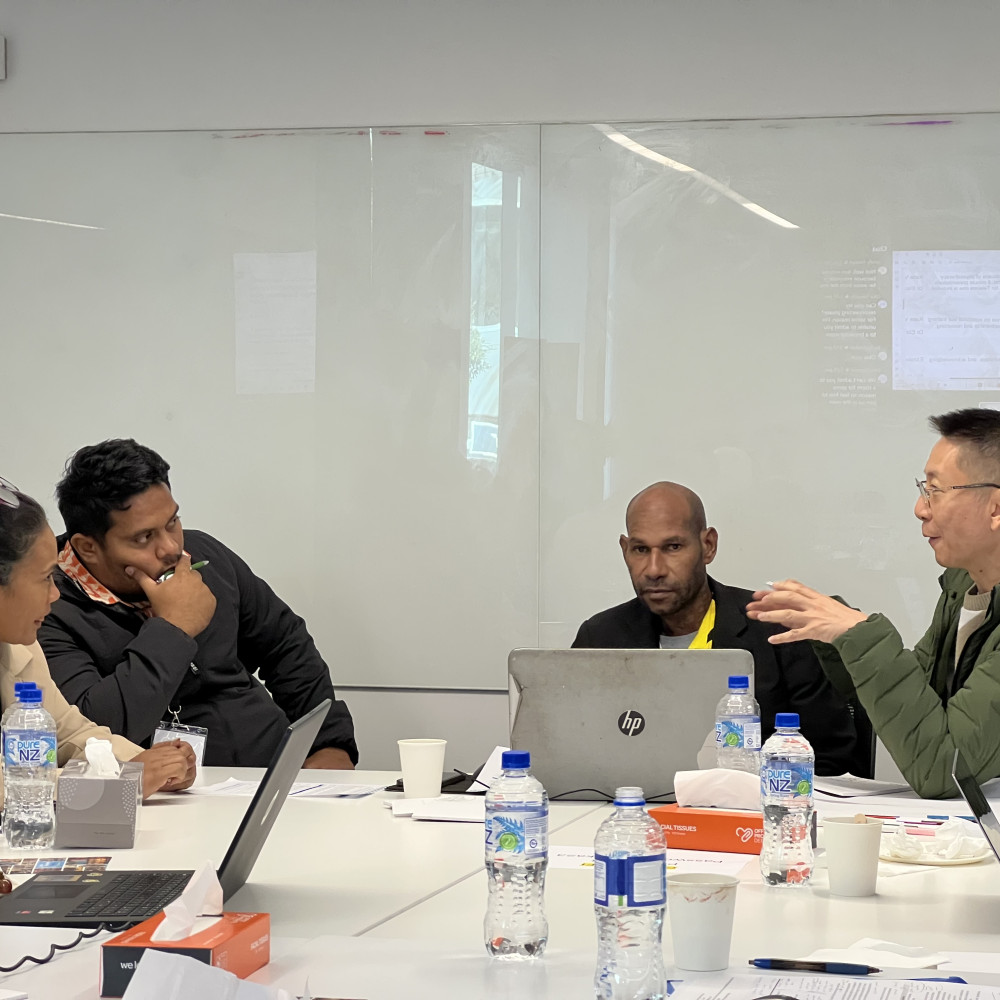
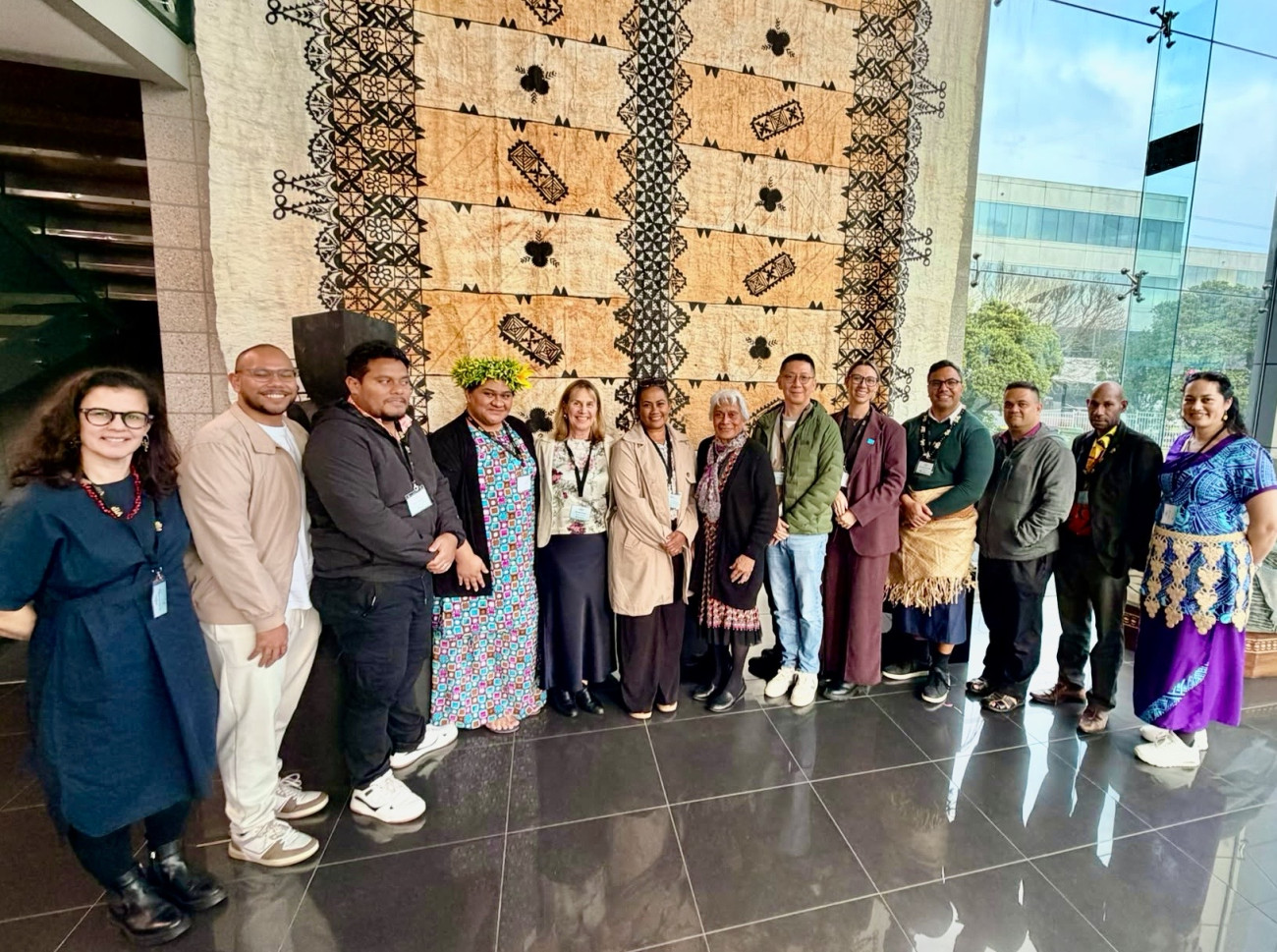
In August, physiotherapy leaders from across the Pacific came together in Auckland, New Zealand to build regional connections and set the direction for greater collaboration across the profession.
The meeting brought together physiotherapists from Fiji, Papua New Guinea, Samoa, Niue, Tonga, Tuvalu, and the Cook Islands, alongside representatives from World Physiotherapy, Physiotherapy New Zealand (PNZ), the Australian Physiotherapy Association (APA), the Pacific Physiotherapy Association (PPA), and World Physiotherapy’s Asia Western Pacific region.
Different contexts, shared challenges
Across the Pacific, physiotherapists play an important role in providing rehabilitation and supporting people to remain active and independent. However, delivering physiotherapy across a region made up of widely dispersed island nations presents distinct challenges.
The size and capacity of the profession vary considerably between countries; in some smaller island nations, only a handful of physiotherapists serve the entire population, with services concentrated on a main island or around a central hospital.
Geographic isolation, difficulties recruiting and retaining physiotherapists, and limited access to continuing professional development and postgraduate training can make it challenging to provide services, and for physiotherapists themselves to remain professionally connected.
The differences across the region can be striking. Niue, with a population of around 1,800, has one active physiotherapist, while Tuvalu, with its population of around 9,700 people, only has six physiotherapists associated with its main hospital. Samoa’s public physiotherapy services are also significantly constrained, with two physiotherapists serving a 200-bed Ministry of Health facility.
At the same time, countries including Fiji and Papua New Guinea have seen their physiotherapy workforces grow and are developing professional structures, education, and standards.
The meeting provided an opportunity to share the realities of physiotherapy in different Pacific countries, identify common challenges, and explore practical ways to address them collectively.
Priorities led by Pacific physiotherapists
Central to the meeting was the leadership of the Pacific participants themselves. As leaders of the profession in their respective countries, they brought first-hand knowledge of their communities, health systems, and workforce needs.
Rather than developing solutions externally, the initiative is intended to enable Pacific physiotherapists to identify and steer the priorities that will make the greatest difference in their countries and across the region.
Despite the different circumstances in each country, several common priorities emerged, including:
- Workforce capacity and retention, with recruitment and retention presenting significant challenges in parts of the region
- Professional isolation in remote locations, particularly for physiotherapists working in smaller island states who may have few or no professional peers locally
- Access to postgraduate education and specialist training, which remains limited in much of the region
- Further development of professional associations, regulatory arrangements, and standards of practice in some countries
- Better data, to help physiotherapists demonstrate unmet rehabilitation needs and advocate for investment in services and the workforce.
Connecting expertise across the region
Discussions focused not only on the challenges facing physiotherapists, but also on how existing expertise and leadership across the Pacific could be better connected.
Participants emphasised collaboration and Pacific-led approaches rather than imposing external structures. Opportunities identified included:
- Regional mentoring
- Postgraduate training and internships
- Special interest groups
- University collaborations
- Greater access to clinical guidelines and standards
- Development of professional associations
- Improved communication networks
From discussion to sustained action
A key outcome of the meeting was agreement to turn the discussions into sustained action through the development of a Pacific Physiotherapy Regional Action Group.
Physiotherapists from across the Pacific will steer and lead the group’s direction, helping to ensure its priorities are grounded in the needs of the profession and the communities it serves.
World Physiotherapy will provide secretariat support, while PNZ, APA, and other participating organisations will contribute expertise and connections.
The Auckland meeting highlighted both the scale of the challenges and the expertise that already exists across the Pacific, including resourceful physiotherapists, growing workforces in some countries, developing education programmes and professional networks, and, above all, a clear willingness to collaborate.
The new regional group will provide a way to connect that expertise, support continued collaboration, and amplify the voice of physiotherapy and rehabilitation across the Pacific.