Earlier in 2026, Liberia had one physiotherapist. Now, it has four, and work has begun on developing a bachelor’s programme that will enable students to qualify in Liberia for the first time.
For more than 20 years, Samuel Hennings has worked as a physiotherapist in Liberia. Until earlier this year, he was the country’s only physiotherapist. His commitment, alongside years of work by Liberian and regional partners, helped lay the foundations for a landmark workshop in Monrovia this November to establish the curriculum for Liberia’s first Bachelor of Science in Physiotherapy programme.
There is an urgent, growing need for a national training pathway, and Liberia’s first Systematic Assessment of Rehabilitation Situation (STARS) identified major gaps in access to rehabilitation and assistive technology, particularly in rural and hard-to-reach counties. Services are concentrated in urban areas, with few specialist personnel and limited infrastructure outside Monrovia and major referral facilities.
For someone recovering from a stroke or a serious injury, these gaps can mean limited access to the rehabilitation they need to regain movement and manage everyday activities. Training physiotherapists in Liberia is a step towards building the workforce needed to reach more communities.
Bringing national and regional expertise together
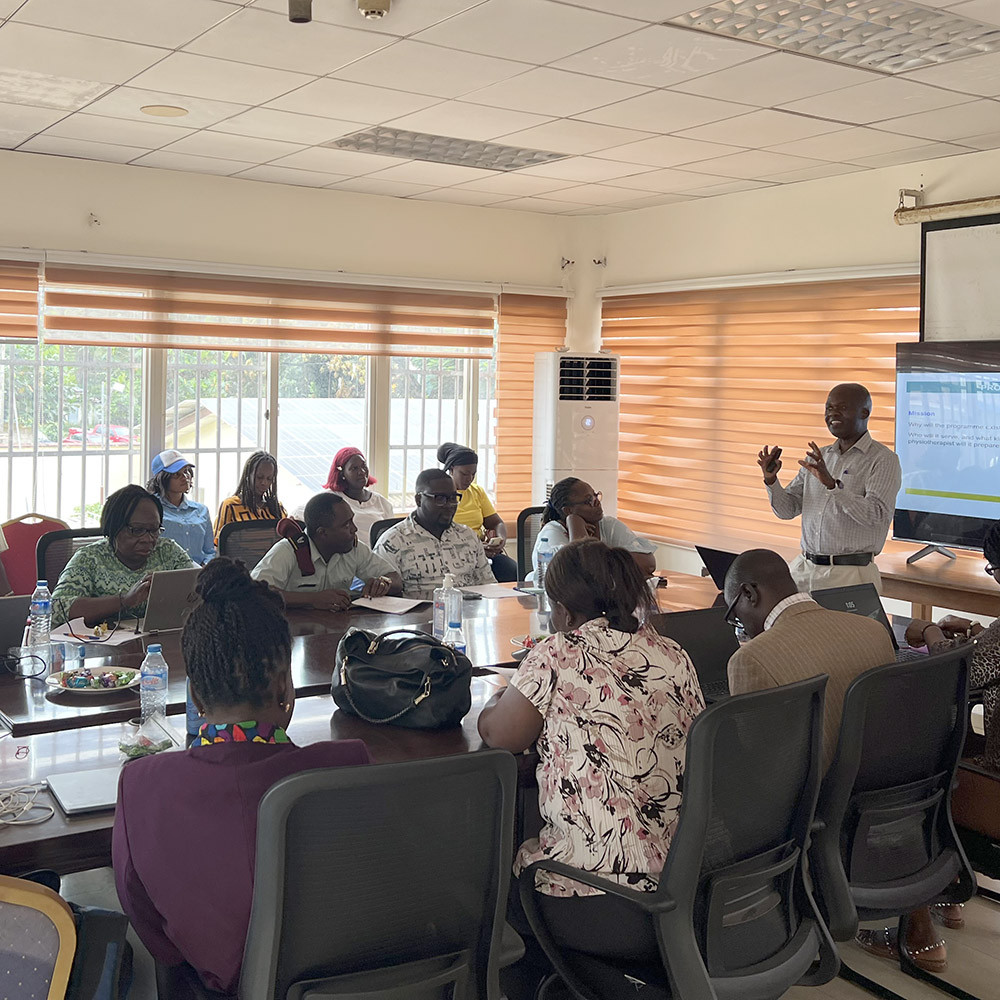
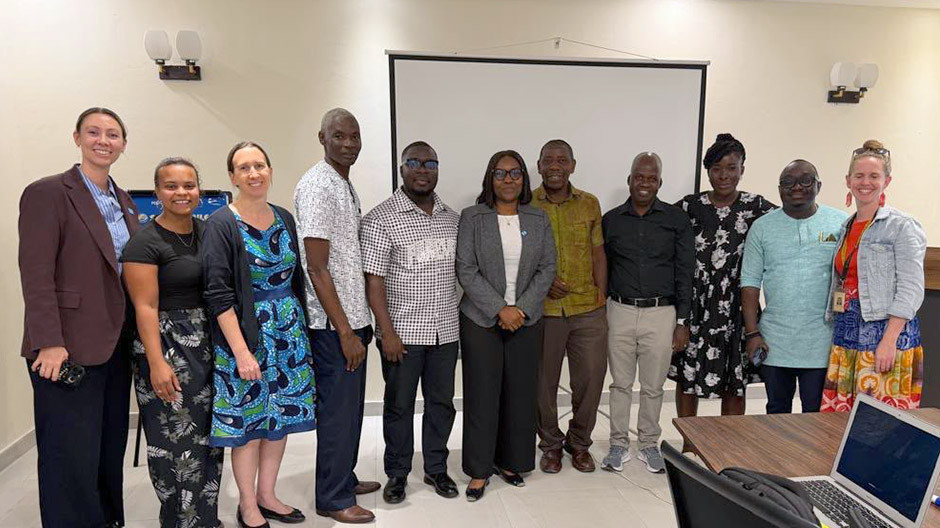
World Physiotherapy co-led a workshop from 11 to 13 November 2026, providing technical expertise in curriculum design and entry-level physiotherapy education. The collaborative session was coordinated through the rehabilitation team within Liberia’s Ministry of Health’s Non-Communicable Diseases and Injuries Unit, with contributions from Nancy Kanneh Saydee, Jamesetta Smith, and Dennis Kamba.
The University of Liberia, which will deliver the degree programme, was represented by Dr Wahdae-mai Harmon-Gray and Dr Ezekiel Hallie, whilst World Hope International, the organisation working to strengthen rehabilitation services, promote disability inclusion, and support the development of physiotherapy in Liberia, was represented by Anna Vines and Jacob Doe.
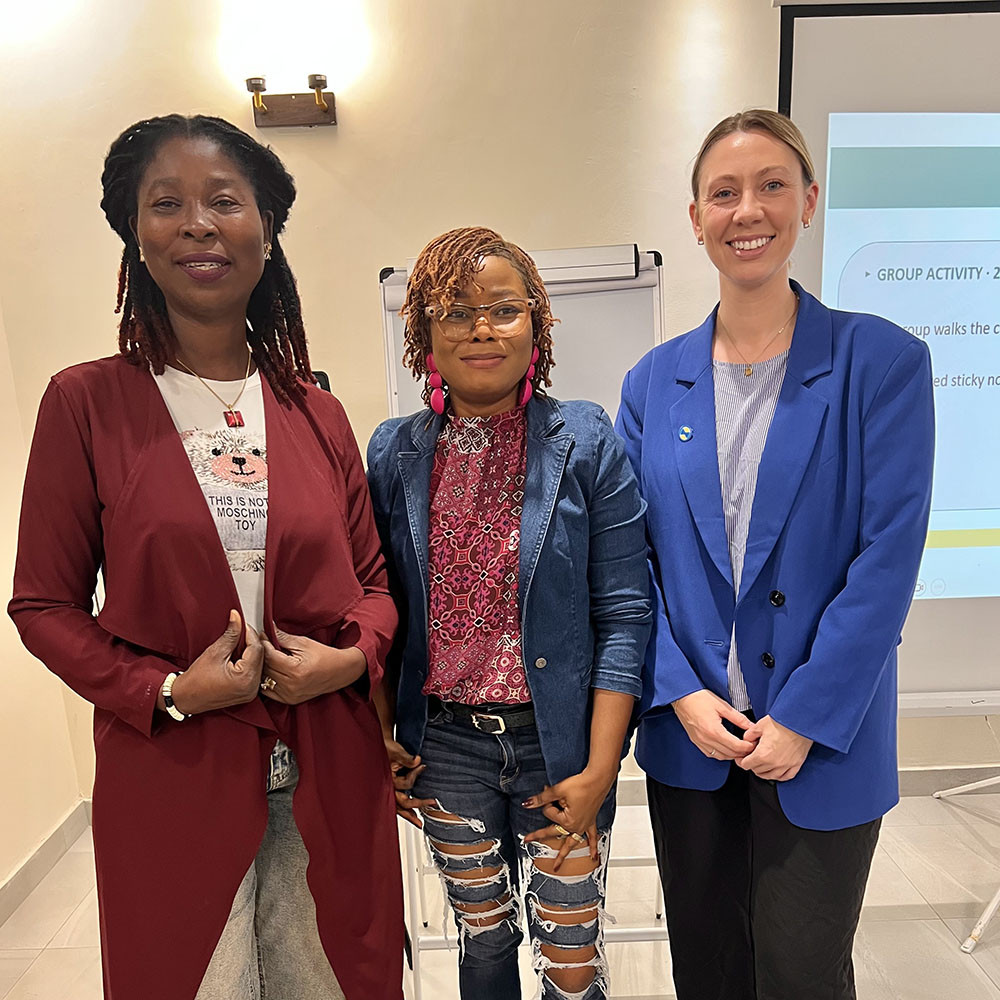
Witness Mudzi, the project’s technical consultant, guided the curriculum discussions and ensured all participants had the opportunity to contribute, and Alberta Nyarko, vice chair of the World Physiotherapy Africa region executive committee, brought a wider regional perspective to the discussions.
Abu Amara, president of the Sierra Leone Physiotherapy Association, and Ismaila Kebbie, Sierra Leone’s deputy director of non-communicable diseases and mental health, shared lessons from establishing their country’s first physiotherapy bachelor’s programme. Their experience helped inform discussions on how to shape a curriculum that responds to Liberia’s needs while aligning with regional and international standards.
Liberian physiotherapists shape the future of their profession
The newly established Liberian Physiotherapy Society is playing a central role in shaping the country’s first physiotherapy degree. The society’s president, Dr Faith Spoonmore, is working alongside fellow physiotherapists Dr Apu Seyenkulo, who will chair the project’s technical working group, Nathanael Molubah, and Samuel Hennings to ensure the curriculum reflects the realities of local clinical practice.
Together, they bring leadership, technical expertise, and first-hand knowledge of the rehabilitation needs graduates will encounter in hospitals, other health facilities, and communities.
Establishing the foundations for physiotherapy education
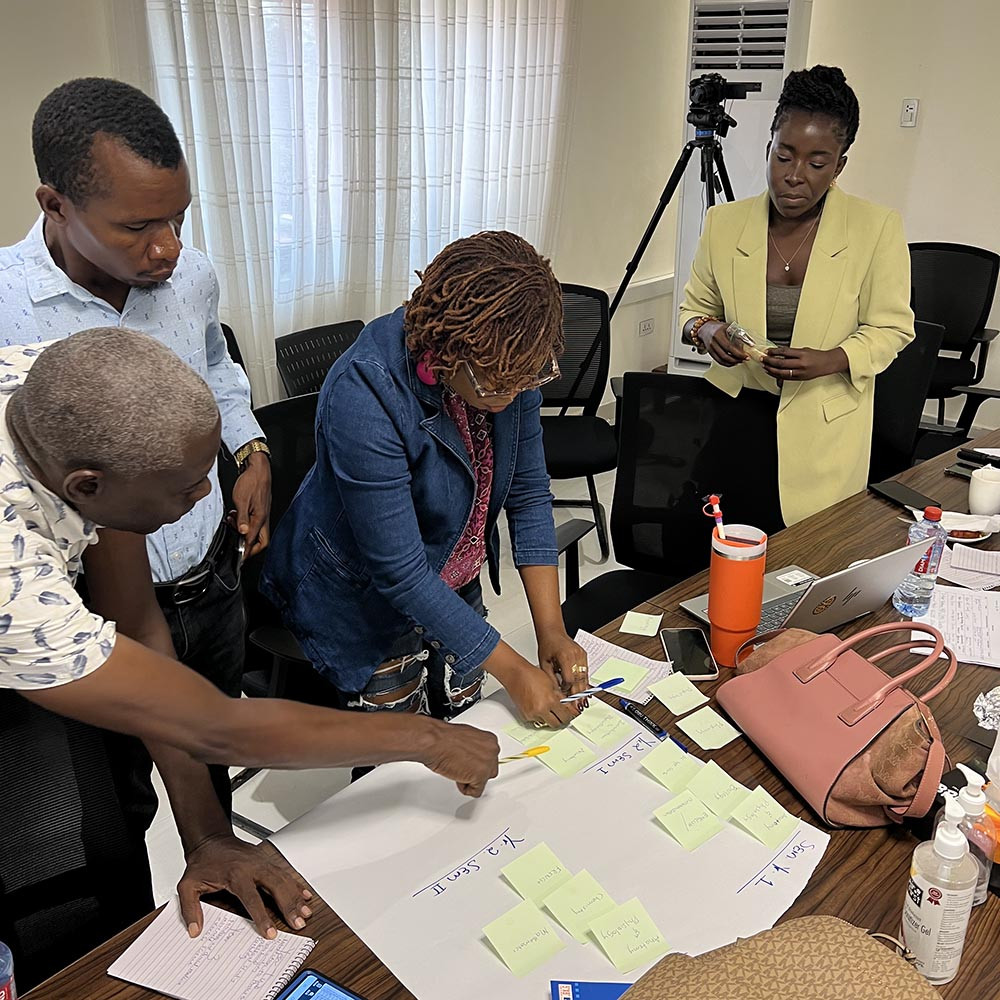
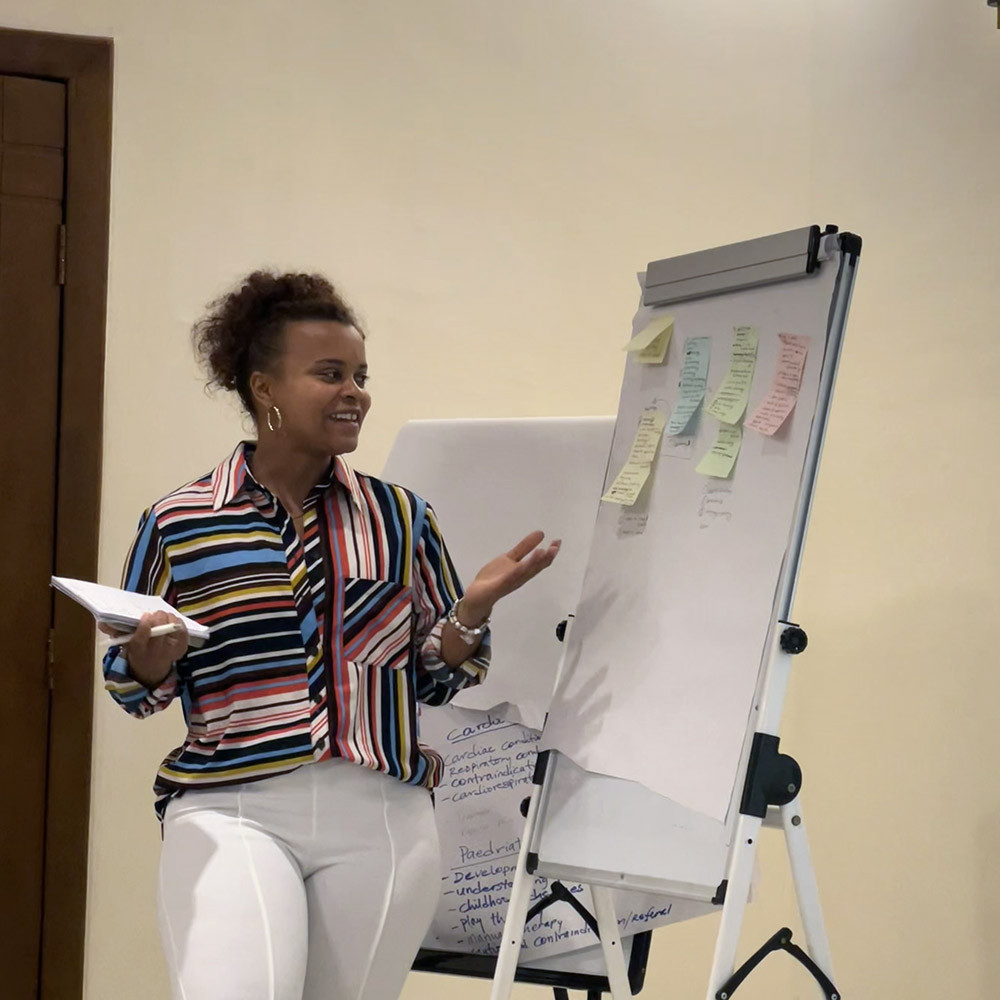
The group began by asking “what should a newly qualified physiotherapist be able to do for people in Liberia”. Practising physiotherapists, university faculty, government representatives, the National Commission on Disabilities, and the Liberia Medical and Dental Council helped shape the subsequent discussion.
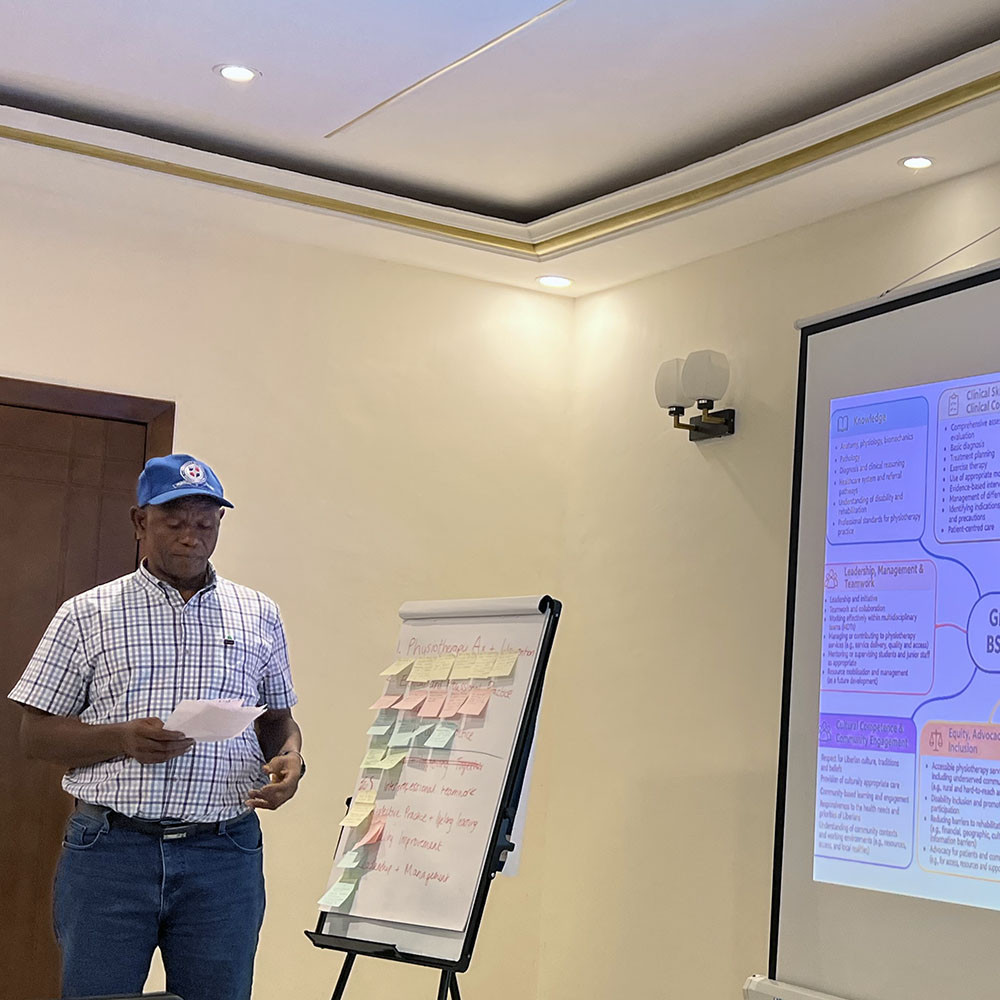
Together, they drafted the programme’s mission, vision, and graduate profile, with an emphasis on safe, person-centred, and culturally aware practice across different levels of care.
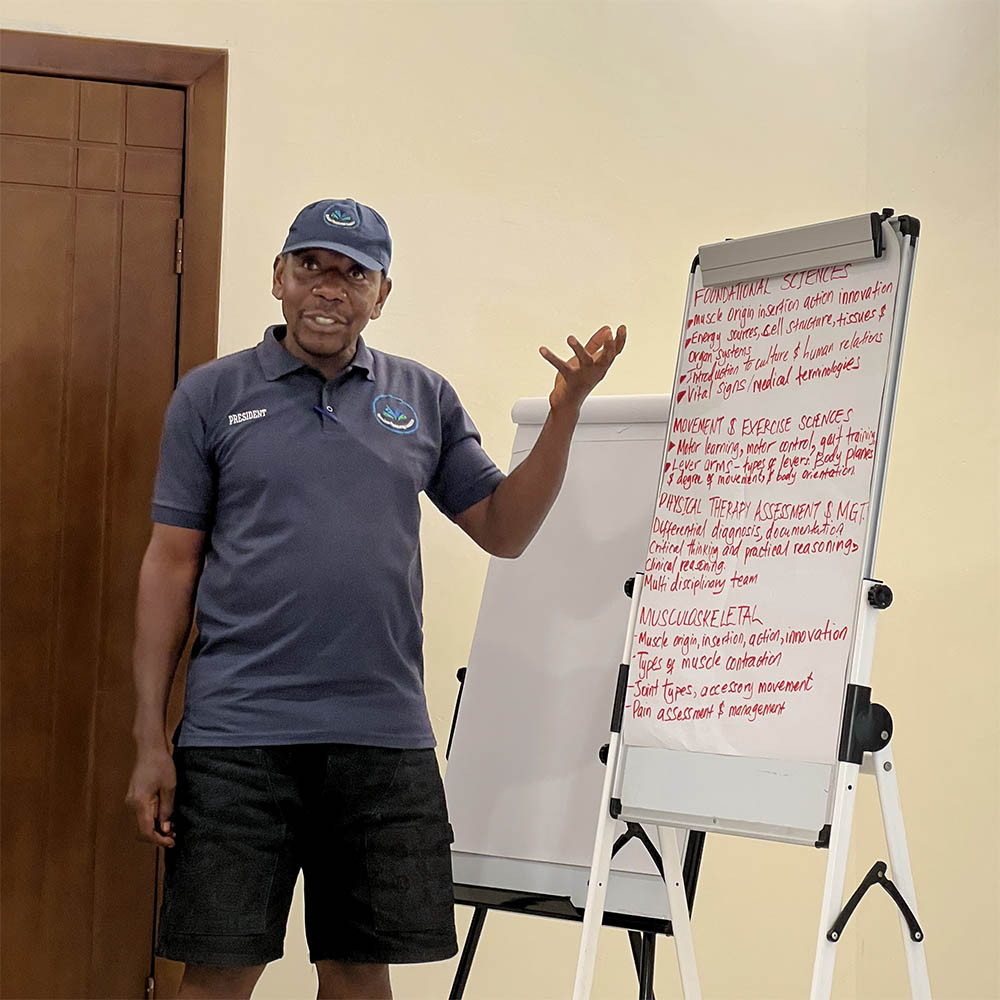
Drawing on the World Physiotherapy Physiotherapist Education Framework and Liberia’s draft standards and scope of practice, the group drafted graduate competencies and learning outcomes. These cover skills such as clinical reasoning, ethical practice, culturally responsive communication, and teamwork.
Participants also began to identify how students would learn and demonstrate these skills through coursework, patient cases, and supervised clinical placements.
From curriculum development to delivery
Establishing a national physiotherapy degree will help Liberia build its own rehabilitation workforce and, over time, extend access to services for communities across the country.
This technical working group will continue to refine the sequence of courses, identify where students can undertake placements, and create plans for supervision and assessment.
The University of Liberia and its partners will also clarify credit requirements and the approval pathway ahead of curriculum validation.
World Physiotherapy thanks all those who contributed to the workshop and looks forward to continuing its work with partners to make this ambition a reality for the physiotherapists, patients and communities of Liberia.