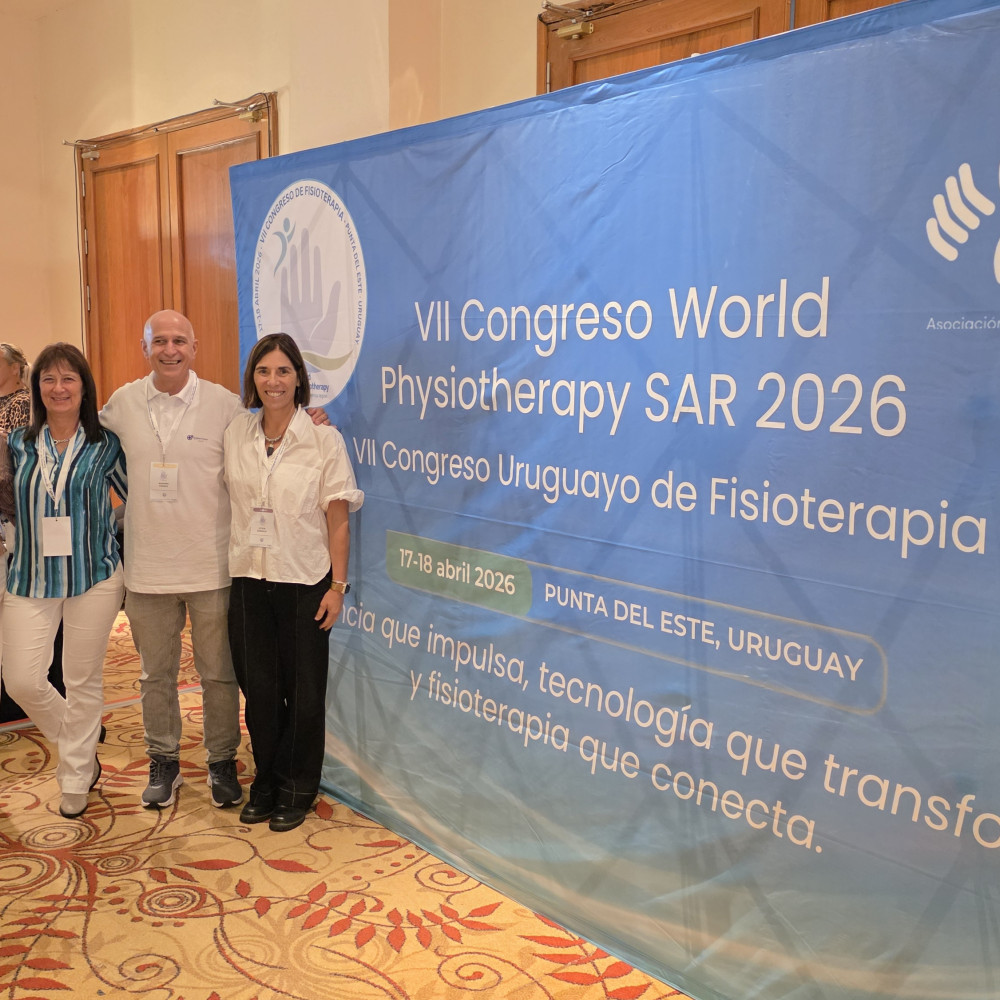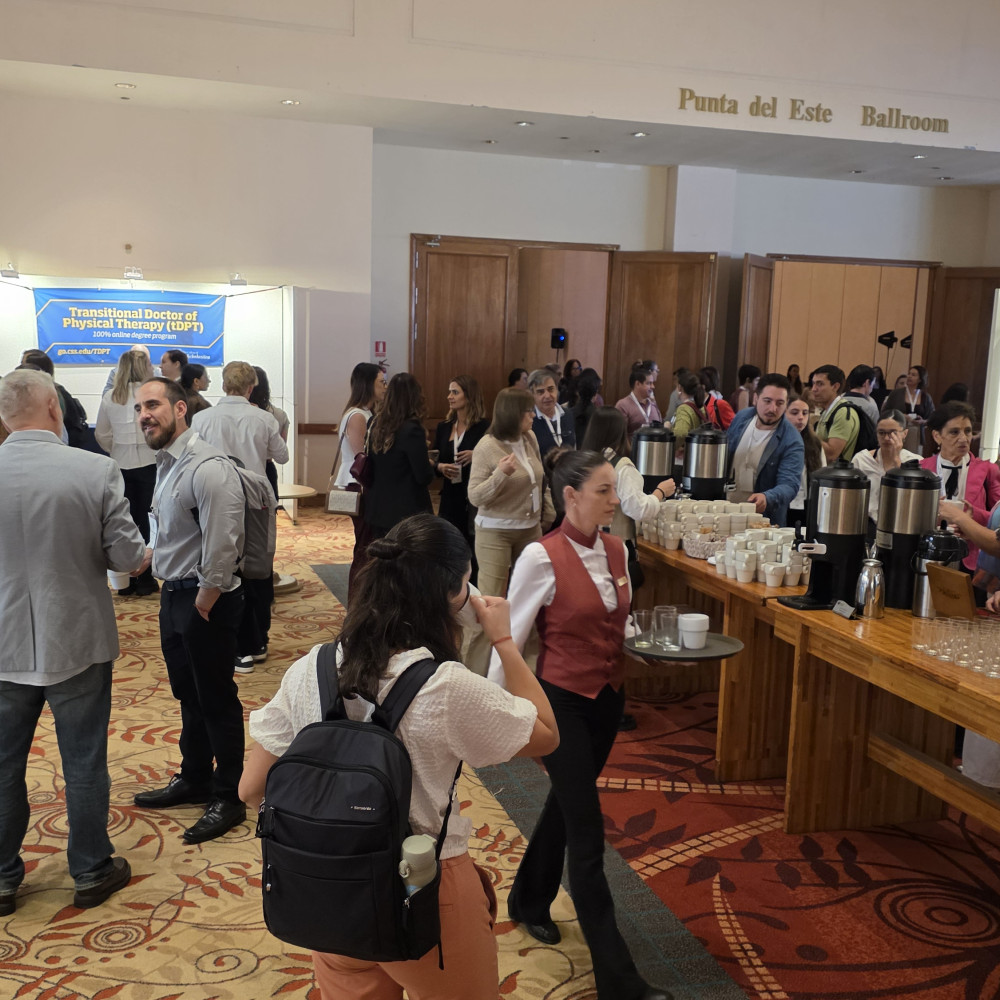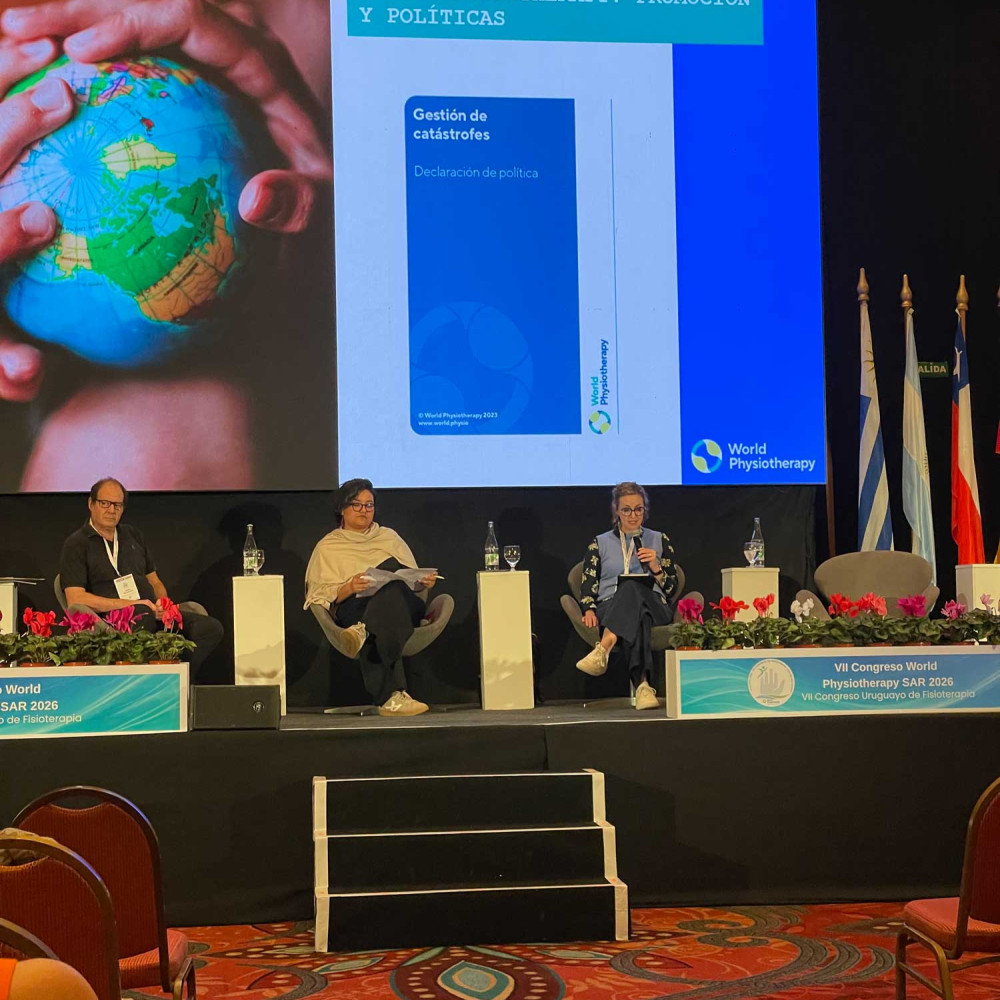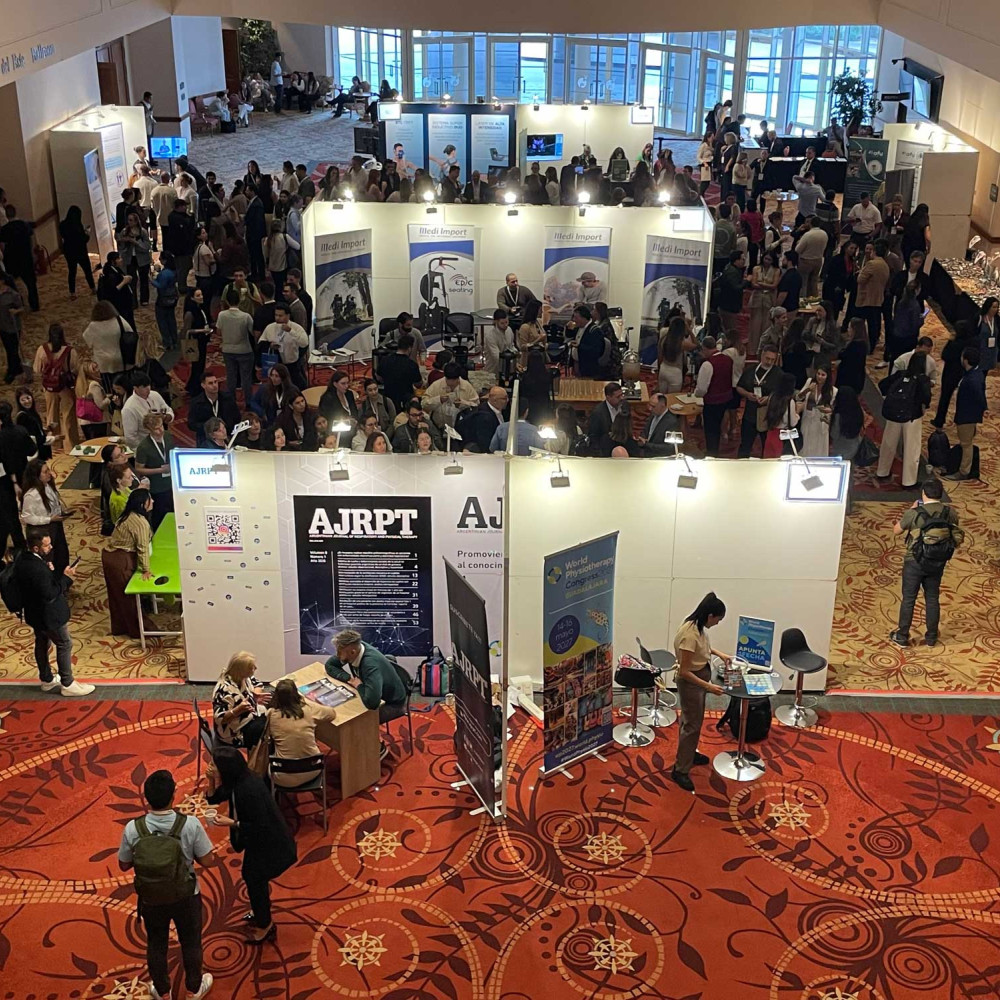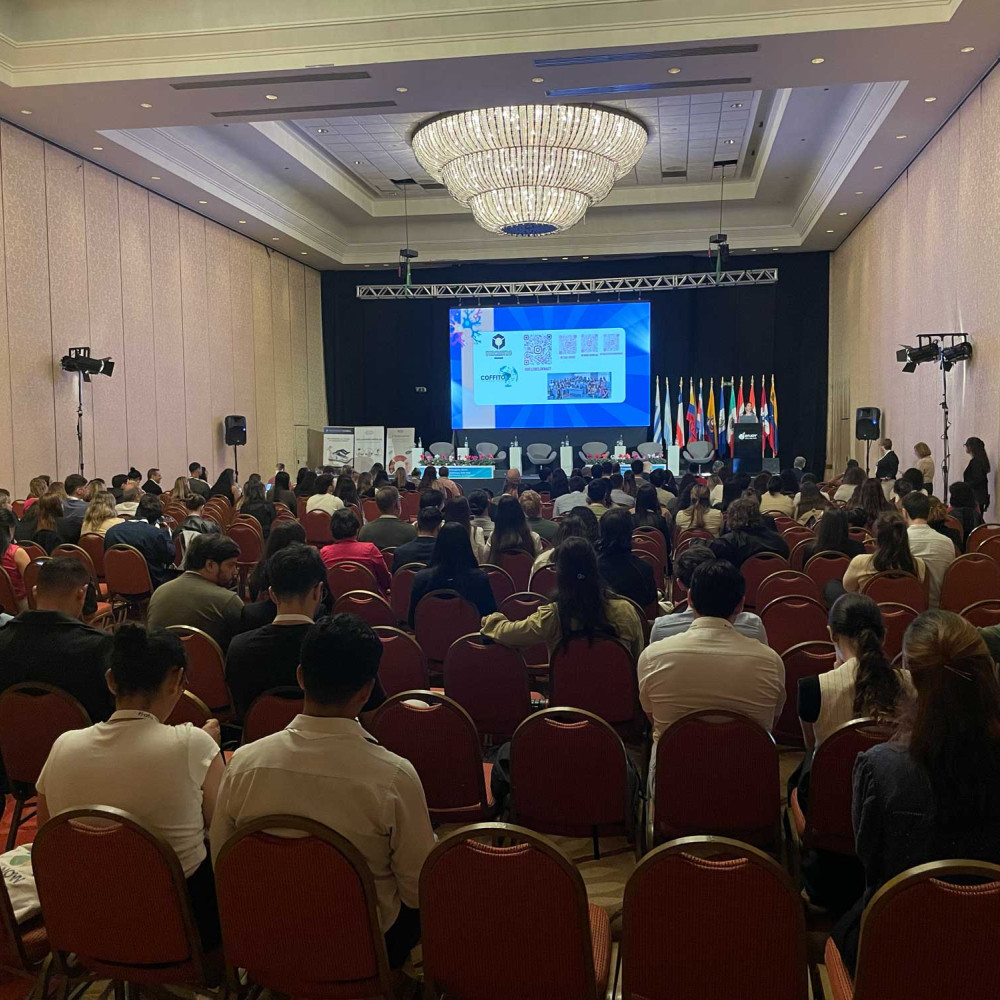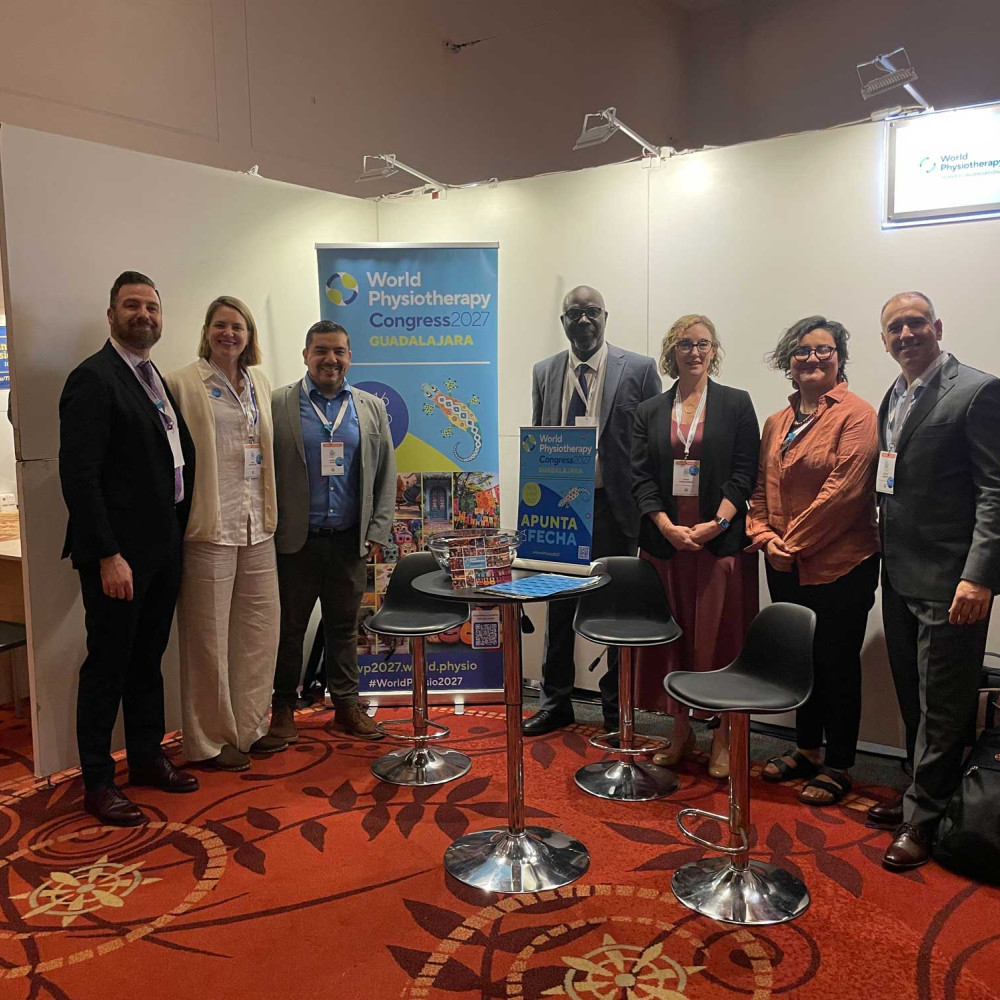
The World Physiotherapy South America region (SAR) conference in Punta del Este, Uruguay from 17-18 April 2026, brought together physiotherapy professionals, researchers, and leaders from across the region to exchange knowledge, share insights, and strengthen professional connections.
The two-day programme explored how science, technology, and collaboration are shaping the profession, and Uruguay provided a stable and inspiring setting for regional exchange and collaboration.
Under the theme ’Science that drives, technology that transforms, and physiotherapy that connects‘, the congress highlighted how physiotherapy in South America is embracing innovation while remaining grounded in patient-centred practice.
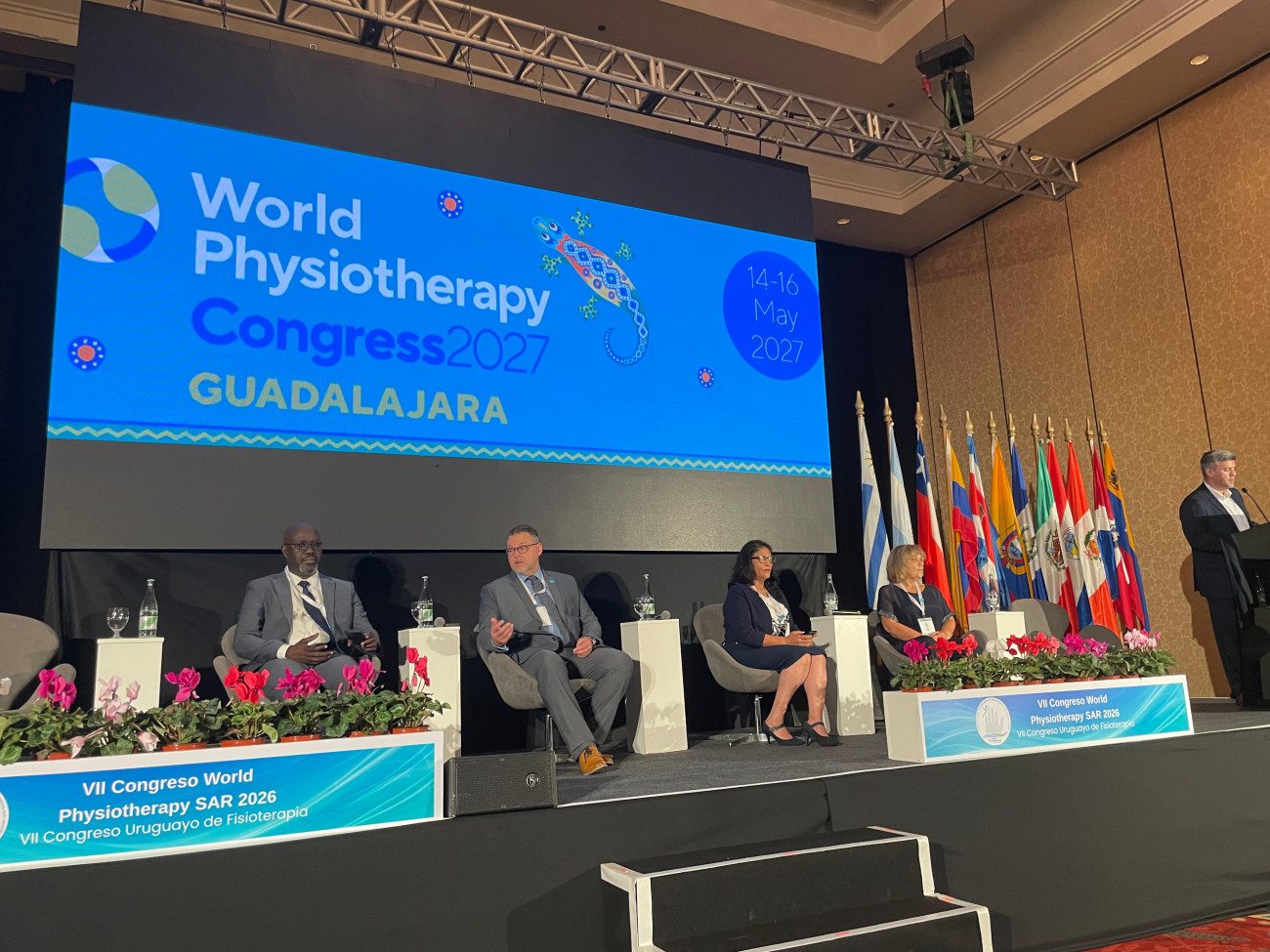
A milestone moment for the profession
The congress marked the 70th anniversary of the Physiotherapists' Association of Uruguay and the upcoming 75th anniversary of World Physiotherapy in September. Past presidents of the association were honoured at a gala dinner, recognising their contribution to the development of the profession.
The event brought a strong sense of pride in regional progress, alongside enthusiasm for reconnecting in person, strengthening relationships, and shaping the future of physiotherapy together.
Innovation and technology in practice
Innovation was a key theme throughout the event, with plenary sessions exploring digital tools, neurofunctional stimulation, and the adoption of AI in physiotherapy.
The opening plenary, ‘innovation, technology and their impact on physiotherapy’, moderated by Darío Santos, set the tone for a forward-looking programme, highlighting the region’s commitment to integrating innovation and technology into physiotherapy practice.
A workshop on AI chatbots demonstrated practical applications of generative AI in physiotherapy, showcasing how these tools can support clinical decision-making, education, and communication with patients.
Education, regulation, and clinical practice
The programme reflected the breadth of physiotherapy, with sessions on musculoskeletal care, neurorehabilitation, cardiopulmonary physiotherapy, dry needling, and palliative care. Panels explored professional development, simulation-based training, and regulatory frameworks, highlighting the need for stronger alignment across the region.
Representatives from Uruguay’s ministries of health and education participated in several sessions, reinforcing the importance of collaboration between the profession and policymakers.
Workshops showcased a wide variety of approaches, including cardiac rehabilitation, multimodal manual therapies, and a session on tango therapy for older adults, which drew strong interest by combining cultural heritage with therapeutic practice.
Public health, policy, and advocacy
Discussions explored chronic pain, ergonomics, health policy, and physiotherapy in emergency contexts.
A panel involving interprofessional rehabilitation professionals and representatives from Uruguay’s Ministry of Health and Ministry of Education explored how collaboration can expand access to rehabilitation and strengthen health systems.
Across sessions, participants highlighted ongoing challenges, including unequal access to advanced biomedical equipment, workforce gaps, and variation in regulatory frameworks across countries.
Proposed solutions focused on regional collaboration, including technology transfer initiatives, the development of locally produced biomedical devices, strengthening education pathways, and aligning professional standards, including scope of practice and title protection.
These discussions reinforced the importance of health policy and coordinated advocacy to support recognition and integration of physiotherapy within national health systems.
Real-world impact
The congress highlighted how innovation and shared learning can translate into practice. Discussions explored how telehealth and AI tools have the potential to expand access to physiotherapy services, particularly in underserved and remote areas.
Workshops on scar treatment and ergonomics provided practical techniques that clinicians can apply in clinical settings. Discussions between physiotherapists, other rehabilitation professionals, and government representatives emphasised the importance of coordinated approaches to improving access to care.
Regional collaboration and global connection
The congress highlighted the diversity of healthcare systems across the South America region whilst creating space for knowledge exchange and relationship building between countries, government, institutions, and professional groups - strengthening regional networks.
Joint research initiatives between Uruguay, Brazil, and Argentina were announced, reflecting a growing commitment to cross-border collaboration.
The World Physiotherapy specialty group, the International Organisation of Aquatic Physiotherapists (IOAPT) presented on aquatic physiotherapy, highlighting regional leadership in specialised care.
Voices from the congress
Attendees reflected on the balance between innovation and the core values of the profession, with one noting:
’Más allá de las manos, la fisioterapia se expande con la ciencia y la tecnología, pero nunca pierde su esencia humana.’
Juan Carlos Perez Torres, vice president of AMEFI, Mexico, said:
’The World Physiotherapy SAR conference represented a strong academic exchange, strengthening research links, intervention strategies, and advocacy networks grounded in evidence, the unity of countries in the region, in coordination with World Physiotherapy, creates lasting connections that strengthen the profession and generate a tangible impact.’
Oscar Urrejola, COLKINE, Chile, added:
’This congress has been a meeting point between science and practice… I leave with many tasks to accomplish, but with the feeling that we are doing significant things to improve population health.’
Looking ahead
The congress closed with calls to:
- continue regional collaboration on technology transfer and education
- invest in digital health and AI to expand access
- explore hybrid congress formats to increase participation
- strengthen advocacy for regulation and protection of the professional title
The SAR conference demonstrated how physiotherapy in South America is advancing through innovation, collaboration, and stronger connections across the global physiotherapy community.
The conference was attended by a high-level delegation from World Physiotherapy, reflecting the organisation’s strong commitment to engagement and collaboration. The delegation included Mike Landry, president, Oscar Ronzio, board member, Sidy Dieye, CEO, Heidi Kosakowski, head of membership, education and development, Ann Nicholson, development manager, and Pablo Davo Cabra, senior membership officer.
The World physiotherapy delegation met with representatives of the Uruguayan Senate to support the advocacy efforts of the Asociación de Fisioterapeutas del Uruguay in advancing legislation aimed at regulating the physiotherapy profession.
In addition to their participation in the SAR conference, members of the World Physiotherapy executive undertook advocacy activities before and after the event, engaging with key stakeholders in Chile and Brazil to further advance the profession and strengthen regional partnerships.