
Advanced spinal musculoskeletal management: an integrated and people centred approach with lumbar spine dysfunction
This one-day in-person educational course is only open to members of World Physiotherapy member organisations in the North America Caribbean region. The course will be held the day after the region's general meeting in Guyana.
Participants will receive seven hours of continuous professional attendance (CPD).
Date and time
25 April 2026, 09:00-17:00 local time
Location
Ministry of Health, Brickdam Street, Georgetown, Demerara-Mahaica, Guyana
Course summary
Do you have patients reporting low back pain with radiation into the lower extremity? How do you determine whether the problem is related to lumbar spine or pelvic dysfunction? Have you explored the articular (eg, joint), myofascial (eg, muscle, tendon, or fascia), neurological (eg, nerve root, spinal cord, cauda equina), vascular (eg, artery or vein), or whether it could be something masquerading as a neuromusculoskeletal complaint that may be a serious pathology (eg, visceral source)? How do you determine the most appropriate and evidence informed assessment or people-centred treatment approach? How will you modify and progress your treatments? This course will answer many of the questions asked above through a case-based approach.
Cost
$60 USD
Learning outcomes
- Develop advanced assessment and clinical reasoning skills in identifying and then the determining the interface of the articular, myofascial, or neurological signs and symptoms.
Participants will develop advanced assessment skills in determining the location and prospective source of the dysfunction in the lumbar or sacral spinal or peripheral joints, myofascial, or nerve and rule in/out more serious pathology. - Demonstrate proficiency in surface anatomy and conducting length-tension assessments.
Participants will be able to accurately locate and palpate different structures and perform length-tension assessments for the iliopsoas (iliacus, psoas minor, or psoas major), tensor fascia latae, rectus femoris, hamstring, and piriformis muscles, identifying muscle imbalances and restrictions. - Analyse and interpret assessment findings.
Participants will be able to interpret the assessment results to determine the specific joint, nerves, or muscle groups and structures affected related to the anterior or posterior leg complaints, the presence of abnormal pathomechanics, or increased tone versus shortening, and allowing for precise diagnosis and treatment planning. - Develop patient centred and evidence informed treatment plans.
Participants will be capable of designing individualised treatment plans that address the identified lumbopelvic, hip, or lower extremity problems, incorporating education, soft tissue release, stretching, strengthening, neural mobilisations, and manual therapy techniques, when appropriate. - Integrate evidence-informed clinical reasoning techniques into assessment and treatment decision making process as learned through case-based learning.
Participants will be able to integrate the latest research and evidence-based practices into their clinical reasoning, assessment, and treatment strategies, ensuring the most effective and up-to-date care for patients complaining of either anterior or posterior leg symptoms. - Monitor progress, modify, progress, and adjust treatment based upon the changes seen.
Participant will be skilled in tracking patient progress, adjusting treatment plans as necessary, and effectively communicating with patients to optimize their rehabilitation and recovery.
These course outcomes will help physiotherapists acquire the necessary advanced skills and knowledge to excel in assessing and treating the lower extremity and lumbopelvic and hip problems associated with the lumbar spine and recognising possible serious pathology that may mimic musculoskeletal complaints.
Speaker
- Paolo Sanzo, president of International Federation of Manual and Musculoskeletal Physical Therapists (IFOMPT)
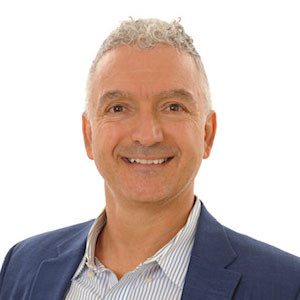
Dr. Paolo Sanzo is an Associate Professor in the School of Kinesiology at Lakehead University and at the Northern Ontario School of Medicine University. He is also the Director of Active Potential Rehabilitation Services and MSK Academy and recognised as a Clinical Specialist (Musculoskeletal) Physiotherapist in Canada.
Paolo is a lead instructor and examiner for the community based IFOMPT accredited AIM Program of the Canadian Physiotherapy Association and the President of IFOMPT, the specialty group representing physical therapists that work in the manual therapy, orthopaedics, and musculoskeletal area. Paolo is a full time academic and clinical researcher but also continues to practice as a clinician seeing complex cases.